

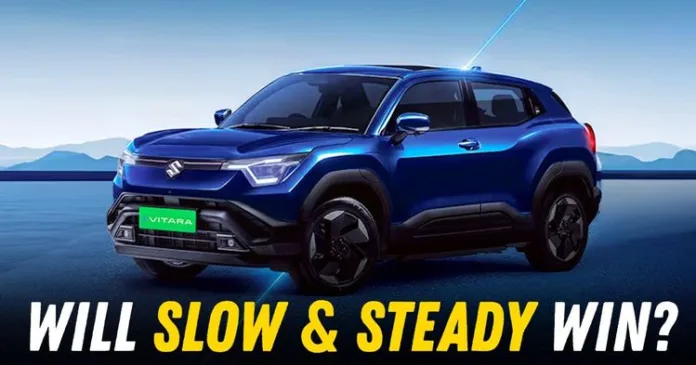

Maruti Suzuki’s Partho Banerjee reveals the brand isn’t chasing EV leadership—yet. Here’s why patience might be their smartest strategy.
In an industry obsessed with being first and fastest, Maruti Suzuki is taking an unconventional stance. While competitors aggressively expand electric portfolios, India’s largest carmaker is playing the long game. Senior executive Partho Banerjee’s recent statement about EV ambitions reveals a calculated approach that could either be brilliantly strategic or dangerously complacent.
Table of Contents
The Waiting Game
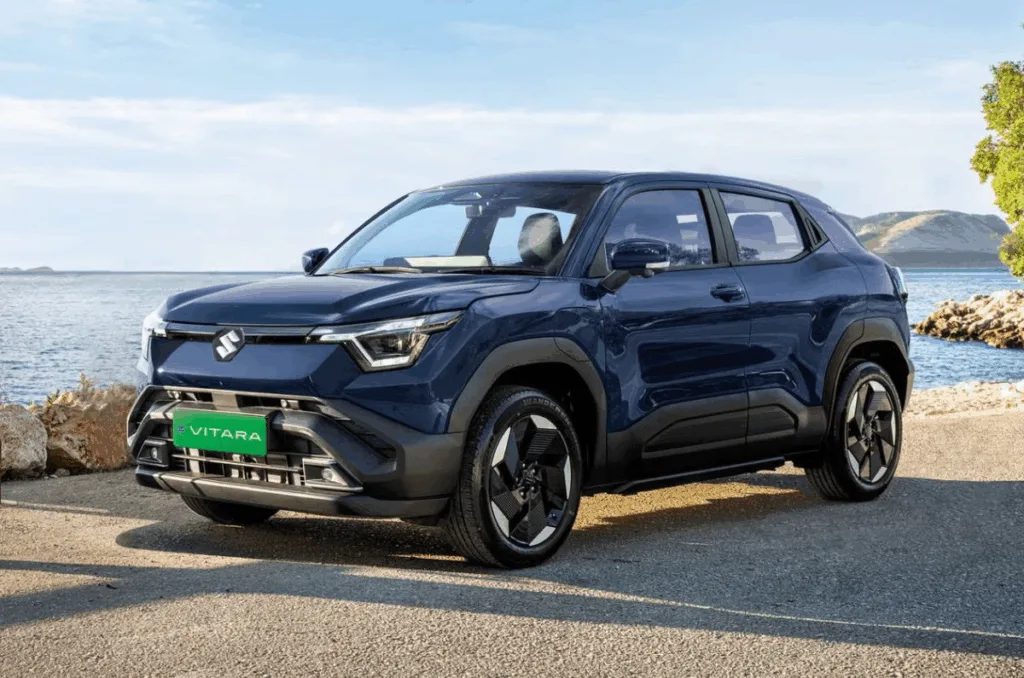
Suzuki’s hesitation stems from pragmatic business calculations. As the dominant force in India’s passenger vehicle market, the company understands its customers intimately. Most Indian buyers remain price-sensitive, and current EV technology still commands premium pricing that doesn’t align with Suzuki’s core audience.
By waiting, Maruti can observe competitors’ successes and failures, learn from early adopters’ feedback, and enter the market when battery costs decline sufficiently to offer truly affordable electric vehicles. This mirrors their historical strategy—being best rather than being first.
Risk and Reward
However, patience carries risks. Tata Motors has established commanding EV leadership, capturing mindshare and building brand equity in electric mobility. By the time Maruti enters aggressively, overcoming Tata’s first-mover advantage could prove challenging and expensive.
The Indian EV market is evolving rapidly, with infrastructure improving and buyer perceptions shifting. Waiting too long might mean missing the crucial growth phase where brand loyalties form and market positions solidify.
Understanding Maruti’s Strengths
Suzuki’s caution also reflects confidence in their traditional strengths. Their unmatched dealer network, service infrastructure, and customer trust provide advantages that can be leveraged once they’re ready to scale EV operations. Unlike startups scrambling to build service networks, Maruti already has nationwide reach.
Additionally, their partnership with Toyota and potential technology sharing could accelerate development once market conditions align with their entry strategy. The company isn’t abandoning EVs—they’re timing their move carefully.
What This Means for Buyers
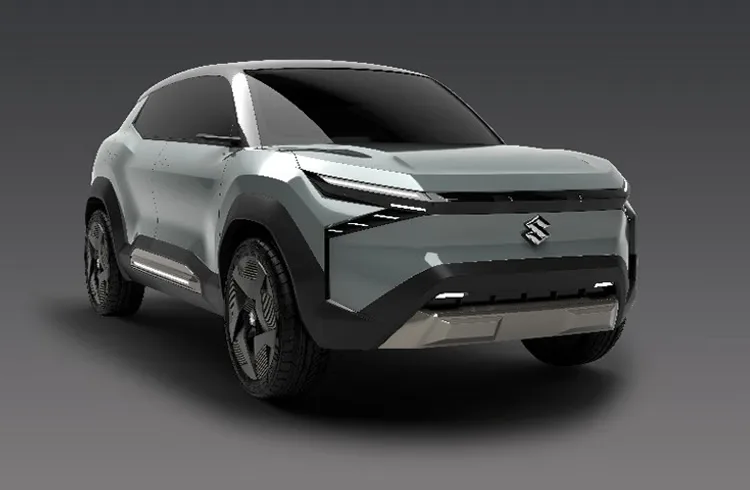
Current car shoppers wanting Suzuki’s reliability in an electric package will wait longer. However, when Maruti finally launches mass-market EVs, expect aggressive pricing and proven reliability that could democratize electric mobility in India.
The company’s hybrid focus as a bridge technology makes sense for their customer base—offering improved efficiency without charging anxiety or premium EV pricing.
The Verdict
Maruti’s measured EV approach isn’t surrender—it’s strategy. Whether this patience proves visionary or costly remains to be seen. For India’s electric future, multiple approaches coexist: Tata’s aggressive expansion, Mahindra’s technology focus, and Maruti’s calculated patience.

