


The government has issued fresh clarifications on EV charging infrastructure incentives, ensuring ongoing schemes continue supporting India’s electric transition.
Policy clarity can make or break emerging industries. India’s electric vehicle sector, still in its formative years, requires consistent regulatory frameworks and transparent incentive structures. The government’s latest clarification on EV charging infrastructure incentives provides much-needed certainty for investors, manufacturers, and charging network operators navigating India’s complex policy landscape.
Table of Contents
Why Clarity Matters
Ambiguity in government schemes creates hesitation. Companies planning multi-crore investments in charging infrastructure need confidence that promised incentives will materialize. Entrepreneurs exploring EV-related businesses require transparent eligibility criteria and predictable timelines.
This clarification addresses concerns that arose from overlapping schemes, unclear documentation requirements, and conflicting interpretations across different government departments. By consolidating information and streamlining processes, authorities are removing friction that previously slowed India’s EV infrastructure development.
What’s Being Clarified
The government has outlined which charging infrastructure projects qualify for incentives, standardized application procedures, and confirmed timelines for existing schemes. This transparency allows charging network operators to plan expansions confidently, knowing exactly what support they can expect.
For state governments and municipal bodies exploring public charging networks, these clarifications provide roadmaps for accessing central government support while implementing local EV policies. The coordination between central and state schemes determines how quickly comprehensive charging networks emerge.
Impact on EV Adoption
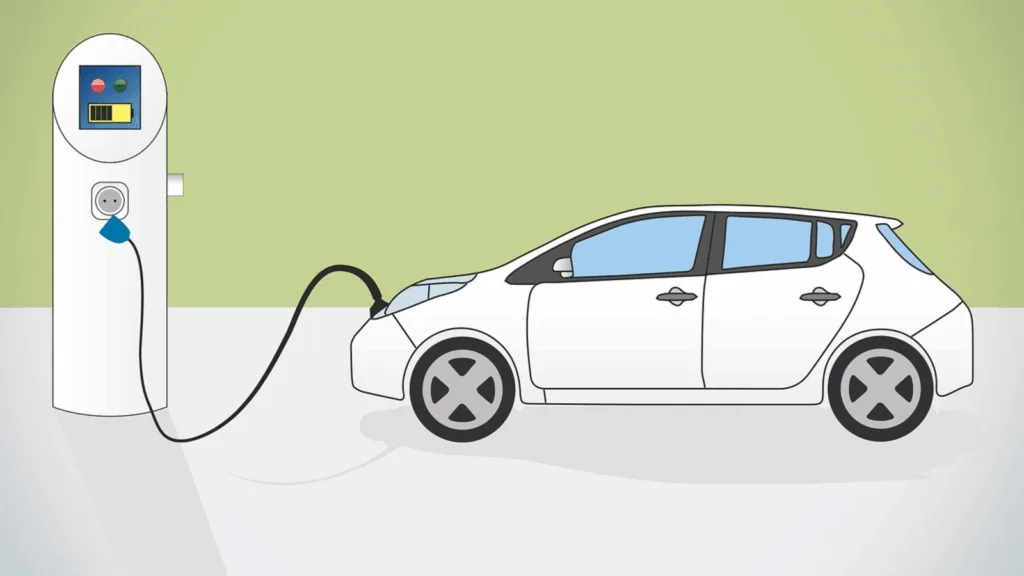
Infrastructure anxiety rivals range anxiety in preventing EV adoption. Potential buyers worry about finding charging stations during emergencies or on unfamiliar routes. Robust charging networks directly address these concerns, making electric vehicles practical for more Indians.
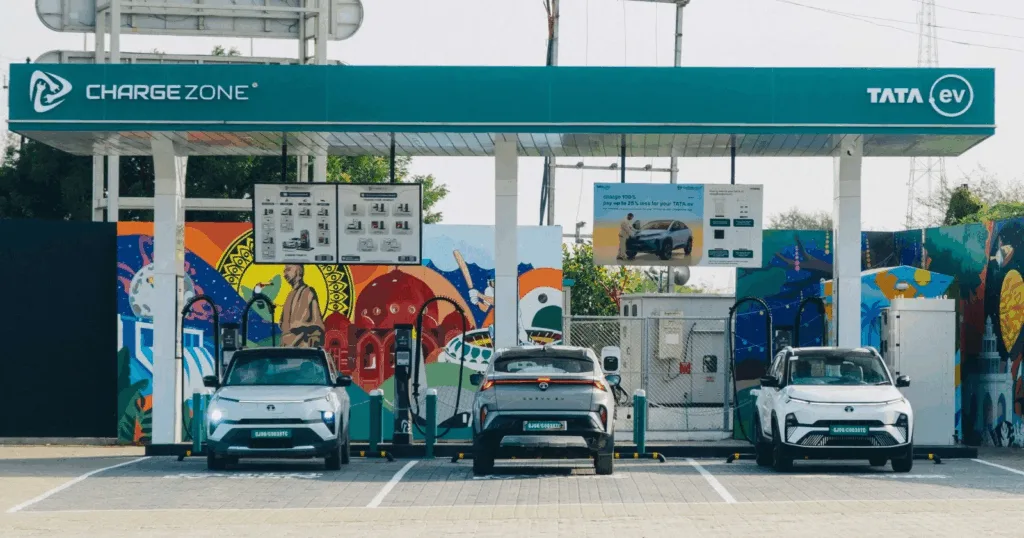
By ensuring incentives flow smoothly to infrastructure developers, the government accelerates network expansion. More charging points mean greater EV adoption, which drives further infrastructure investment—creating a virtuous cycle that benefits the entire electric mobility ecosystem.
Manufacturing Boost
The clarification extends beyond charging infrastructure to include EV manufacturing incentives. This comprehensive approach recognizes that successful electrification requires coordinated development—vehicles, charging networks, battery production, and component manufacturing must advance together.
Manufacturers planning factory expansions or new model launches need certainty about production-linked incentives and subsidies. Clear, stable policies enable long-term planning and encourage domestic manufacturing over imports.
Looking Forward
Policy clarity doesn’t guarantee success, but ambiguity almost guarantees failure. By removing uncertainty around EV incentives, the government demonstrates commitment to India’s electric transition beyond rhetoric and symbolic gestures.
For stakeholders across the EV value chain—from charging station operators to vehicle manufacturers—these clarifications provide foundations for confident investment. India’s electric future depends not just on technology advancement but on consistent, transparent policies that enable private sector innovation and investment.
The message from this clarification is simple: India’s EV journey continues with government support, and the rules are now clearer than ever.

