

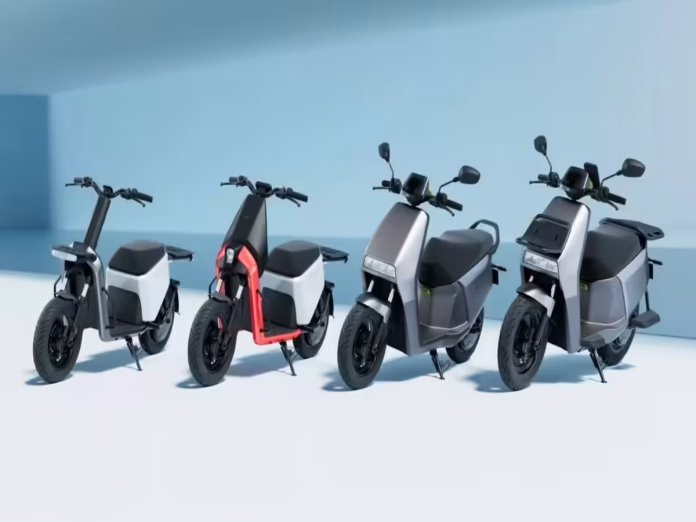

India’s EV Sales electric two-wheeler market witnessed dramatic shifts in November 2025, with Ola Electric’s dominance crumbling as the brand slipped to fifth position. Meanwhile, TVS Motor Company staged an impressive comeback, signaling a changing of the guard in the country’s rapidly evolving EV landscape.
Table of Contents
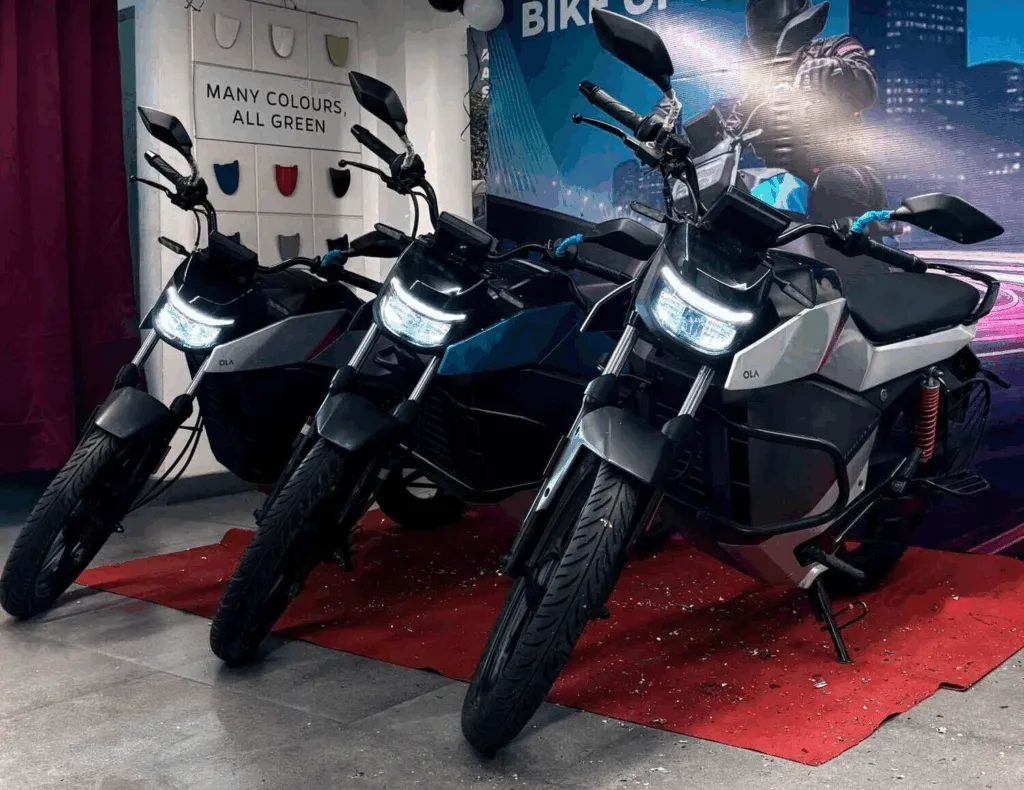
EV Sales: The November Sales Shake-Up
The latest sales data reveals significant market repositioning among electric two-wheeler manufacturers. What was once Ola’s playground has become a fiercely competitive battleground where established brands are reclaiming territory with improved products and stronger service networks.
| Brand | November Position | Market Trend |
|---|---|---|
| TVS Motor | Top positions | Strong recovery |
| Ola Electric | 5th position | Significant decline |
| Bajaj Auto | Leading pack | Steady performance |
| Ather Energy | Top tier | Consistent growth |
| Hero Electric | Competitive standing | Stable sales |
What Caused Ola’s Dramatic Fall?
Ola Electric’s slide from market leadership to fifth position reflects mounting customer concerns over service quality, software glitches, and product reliability. Despite aggressive pricing and strong initial demand for models like the S1 Pro and S1 Air, the brand has struggled with after-sales support—a critical factor in the electric scooter segment.
Social media complaints about delayed deliveries, inadequate service centers, and unresolved technical issues have damaged consumer confidence. In India’s word-of-mouth-driven market, such reputation hits translate directly into lost sales.
TVS’s Winning Formula
TVS Motor Company’s resurgence demonstrates the power of traditional automotive strengths—established dealer networks, reliable products, and responsive customer service. The TVS iQube has gained traction through consistent performance upgrades, expanding range options, and competitive pricing.
The company’s century-old reputation for durability reassures first-time EV buyers nervous about new technology. Combined with growing charging infrastructure and improved battery warranties, TVS has positioned itself as the safe choice for electric two-wheeler adoption.
Market Implications
This November shake-up proves that early-mover advantage means little without execution excellence. As reported by Bike Advice, Indian consumers increasingly prioritize after-sales support and product reliability over flashy features and aggressive marketing.
Bajaj and Ather Energy have also capitalized on Ola’s struggles by strengthening their service networks and launching refined products. The Bajaj Chetak’s retro-modern appeal and Ather 450 series’ tech-forward approach offer distinct value propositions that resonate with different buyer segments.
What This Means for Consumers
The competitive intensity benefits buyers through better products, improved service standards, and competitive pricing. Brands can no longer rely solely on subsidies and launch hype—they must deliver genuine value throughout the ownership experience.
For prospective EV buyers, November’s sales rankings offer valuable insights. TVS’s comeback validates the importance of established service infrastructure, while Ola’s decline serves as a cautionary tale about prioritizing scale over customer satisfaction.
The Road Ahead
Ola Electric faces a critical juncture: address service concerns immediately or risk further market share erosion. Meanwhile, TVS and other competitors must sustain momentum by continuing product innovation and service excellence.
India’s electric two-wheeler market remains in its growth phase, with plenty of room for multiple winners. However, November 2025 proved that in this maturing segment, old-school automotive virtues—reliability, service, and customer trust—matter just as much as cutting-edge technology and disruptive pricing.

