

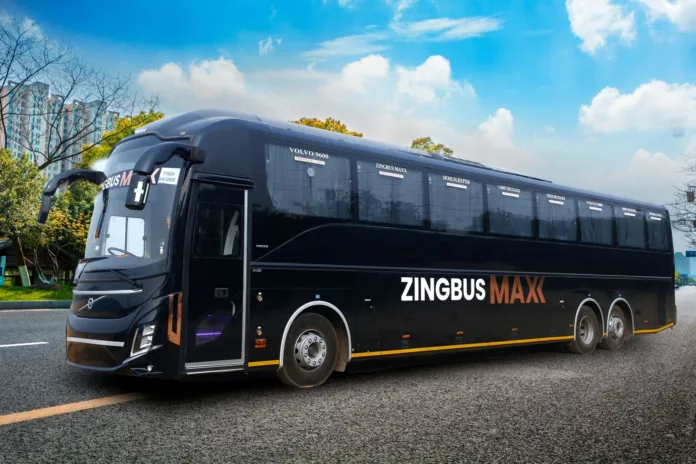

ZingBus is rewriting the playbook for India’s intercity travel by proving that electric buses can not only match but surpass diesel performance on critical corridors. The tech-enabled bus service’s operator-led model is accelerating EV adoption while delivering superior efficiency and passenger experience.
Table of Contents
The Numbers That Tell the Story
ZingBus’s electric fleet has achieved remarkable success on high-demand routes, demonstrating that the transition to zero-emission transport isn’t just environmentally responsible—it’s commercially viable. The company’s data-driven approach reveals compelling advantages over traditional diesel operations.
| Parameter | Electric Buses | Diesel Buses |
|---|---|---|
| Operational Cost | Significantly lower per km | Higher fuel expenses |
| Maintenance | Reduced downtime | Frequent servicing required |
| Performance | Consistent on key corridors | Variable efficiency |
| Environmental Impact | Zero tailpipe emissions | High carbon footprint |
| Passenger Preference | Quieter, smoother ride | Noisier experience |
Why the Operator-Led Model Works
Unlike traditional fleet ownership models, ZingBus empowers individual operators to transition to electric vehicles by providing financing support, charging infrastructure access, and technology integration. This democratized approach removes the steep capital investment barrier that typically prevents small operators from going electric.
The model creates a win-win ecosystem: operators enjoy lower running costs and government incentives, while ZingBus expands its electric bus network without bearing the entire infrastructure burden. Passengers benefit from cleaner, more comfortable journeys at competitive prices.
Routes Where EVs Excel
ZingBus’s electric buses have proven particularly effective on medium-distance corridors between major cities. Routes with predictable demand patterns and established charging infrastructure show the best performance metrics. The company reports that electric buses on these corridors achieve higher utilization rates than diesel counterparts.
The success challenges conventional wisdom that electric commercial vehicles can’t handle India’s demanding intercity operations. As reported by Economic Times Auto, this breakthrough could inspire similar transitions across India’s fragmented bus industry.
Implications for India’s EV Revolution
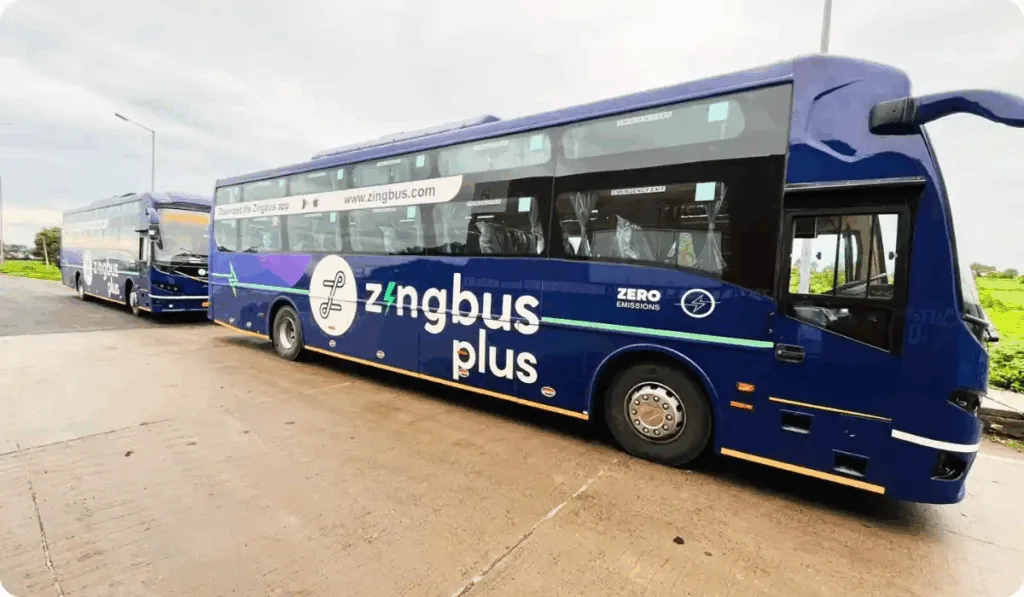
ZingBus’s achievements arrive at a crucial moment for India’s electric mobility transition. With state governments offering subsidies and the central government pushing FAME II incentives, the commercial vehicle segment represents low-hanging fruit for emission reductions.
The intercity bus sector accounts for significant diesel consumption and pollution. If ZingBus’s model scales successfully, it could trigger a domino effect across regional transport operators nationwide, accelerating the shift toward sustainable commercial vehicles.
The Road Ahead
As battery technology improves and charging networks expand, the performance gap between electric and diesel buses will only widen in favor of EVs. ZingBus’s operator-led approach provides a replicable blueprint for transforming India’s commercial transport landscape without requiring massive government intervention.
For passengers, this means cleaner air, quieter journeys, and the satisfaction of choosing sustainable travel options. For India’s climate commitments, it represents tangible progress toward decarbonizing one of the country’s most polluting sectors—one comfortable bus ride at a time.

