


Hyundai Motor Group is revolutionizing how electric vehicles serve their owners by introducing cutting-edge Vehicle-to-Grid (V2G) and Vehicle-to-Home (V2H) technology. This innovation transforms EVs from mere transportation tools into mobile energy storage units that can power homes and support electricity grids.
Table of Contents
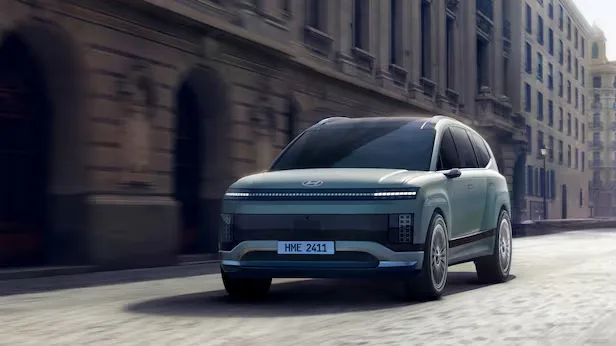
Hyundai Motor: What Makes This Development Groundbreaking?
The South Korean automotive giant’s new bidirectional charging capability allows EV batteries to not only draw power but also supply it back. During peak demand hours or power outages, Hyundai EVs can become emergency power sources, offering unprecedented energy independence to owners.
| Feature | Capability |
|---|---|
| Technology | Vehicle-to-Grid (V2G) & Vehicle-to-Home (V2H) |
| Primary Function | Bidirectional energy flow |
| Home Backup | Powers essential appliances during outages |
| Grid Support | Supplies electricity during peak demand |
| Energy Management | Smart charging optimization |
How V2G and V2H Work Together
Vehicle-to-Grid (V2G) enables EVs to feed stored energy back into the power grid during high-demand periods, potentially earning owners credits or reducing electricity costs. This creates a symbiotic relationship between EV owners and utility providers.
Vehicle-to-Home (V2H) functionality turns your electric vehicle into a home backup generator. When the power goes out, your Hyundai EV can keep refrigerators running, lights on, and essential devices charged for hours or even days, depending on battery capacity.
Impact on India’s EV Ecosystem
This technology aligns perfectly with India’s renewable energy goals and growing EV charging infrastructure. As the nation pushes toward electric mobility, V2G capabilities could help stabilize grids increasingly powered by intermittent renewable sources like solar and wind.
For Indian consumers exploring electric vehicle options, this advancement adds significant value beyond zero-emission driving. The potential to reduce electricity bills and ensure power security makes EVs more attractive investments.
The Bigger Picture
Hyundai’s move follows similar initiatives by competitors and reflects the automotive industry’s shift toward integrated energy solutions. As reported by Market Screener, this positions Hyundai as a leader in sustainable mobility innovation.
The technology represents a fundamental shift in how we perceive electric vehicles—not just as cars, but as crucial components of future energy ecosystems. For environmentally conscious consumers and those seeking energy independence, Hyundai’s V2G and V2H capabilities signal an exciting new chapter in electric mobility.

