


Vietnam’s electric vehicle champion VinFast just posted a shocking $910 million quarterly loss—nearly double last year’s figure—despite delivering a record 38,200 vehicles and achieving 149% year-over-year sales growth.
It’s the brutal paradox of modern EV startups: sell more cars, lose more money. For VinFast, owned by Vietnam’s richest man Pham Nhat Vuong, the question isn’t whether they can sell cars. It’s whether they can survive long enough to make selling them profitable.
Table of Contents
The Numbers That Tell a Harsh Story
VinFast’s Q3 2025 financial results reveal a company caught in the classic startup trap: explosive growth funded by catastrophic losses.
| Financial Metric | Q3 2025 | Q3 2024 | Change |
|---|---|---|---|
| Net Loss | $910 million | ~$500 million | +82% |
| Vehicles Delivered | 38,200 | – | – |
| Year-to-Date Deliveries (2025) | 110,000 EVs | 44,000 (2024) | +149% |
| 2024 Full Year Loss | $3 billion+ | – | – |
| Global Showrooms | ~400 | – | Worldwide |
| Home Market Share | Market Leader | – | Vietnam #1 |
The math is devastating: VinFast is losing approximately $23,821 per vehicle sold in Q3 2025. That’s not a typo—they’re hemorrhaging nearly $24,000 on every EV they deliver.
The Tale of Two Realities
Reality #1: Sales Success
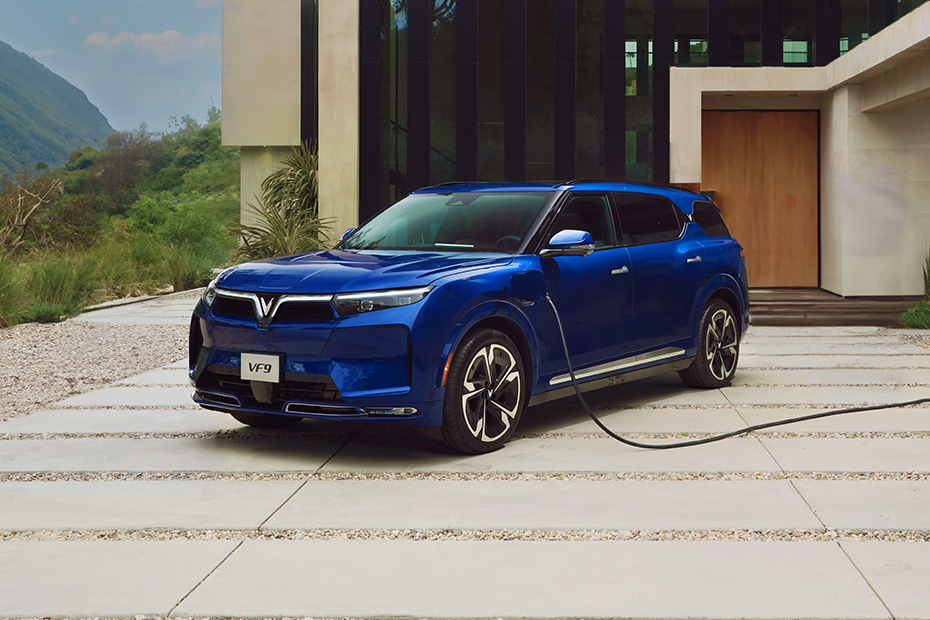
VinFast delivered nearly 38,200 vehicles in Q3 2025, bringing total deliveries to 110,000 EVs—up 149% year-over-year. In Vietnam’s domestic market, VinFast has become the dominant player, outselling international brands and establishing itself as a household name in a country of 100 million people.
Reality #2: Financial Catastrophe
The company reported a Q3 net loss of 24 trillion Vietnamese dong ($910 million), almost double the 13.2 trillion dong loss from the same period last year. Last year’s full losses exceeded $3 billion despite tripling vehicle deliveries.
Who’s Bankrolling This Burning Ship?
VinFast is part of the Vingroup conglomerate, one of Vietnam’s most powerful business empires with interests spanning real estate, infrastructure, tech, education, and healthcare. The company is owned by Pham Nhat Vuong, Vietnam’s richest man, who has repeatedly demonstrated his willingness to bet his fortune on VinFast’s success.
The Billionaire’s Gamble
| Funding Source | Details |
|---|---|
| Founder | Pham Nhat Vuong (Vietnam’s richest man) |
| Parent Company | Vingroup conglomerate |
| Nasdaq Listing | Listed in 2023 for capital access |
| Recent Funding | $3.5 billion injection expected by end of 2026 |
| Personal Commitment | Pham willing to bet “all his money” on growth |
In previous interviews, Vuong stated he was prepared to invest everything into VinFast’s global expansion. That commitment is being tested every quarter as losses mount.
The Global Expansion Strategy
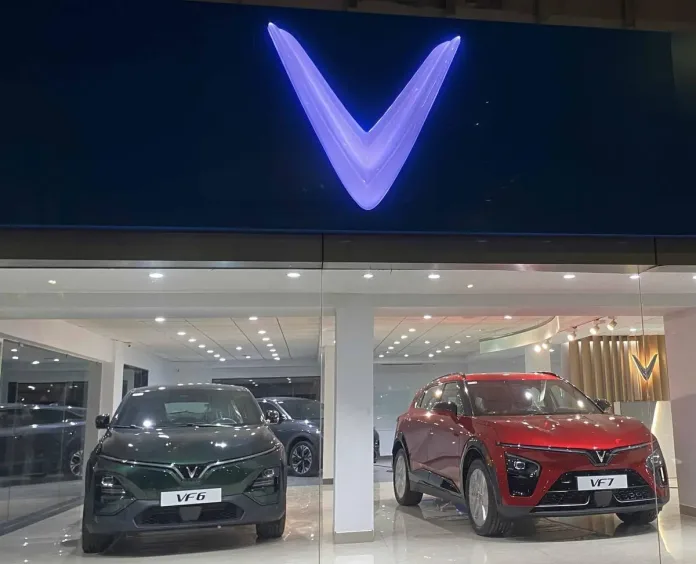
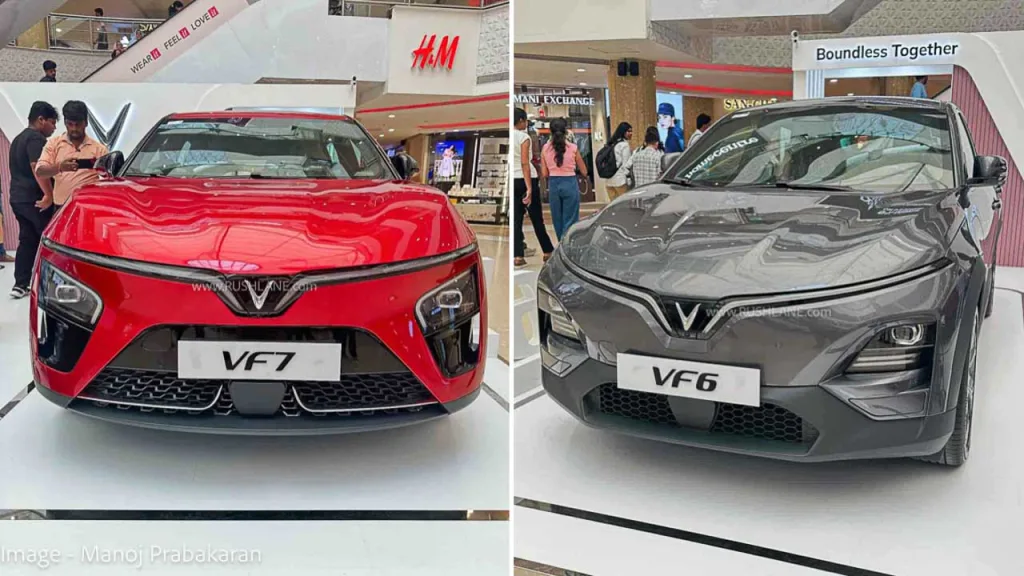
With almost 400 showrooms globally, VinFast is trying to crack markets in Asia, the Middle East, Europe, the United States, and Canada. This aggressive international expansion is a primary driver of the massive losses.
Target Markets Breakdown
| Region | Status | Challenge |
|---|---|---|
| Vietnam | Market Leader | Profitability still elusive despite dominance |
| North America | Growing network | High infrastructure costs, fierce competition |
| Europe | Expanding | Regulatory complexity, established brands |
| Indonesia | Assembly plant operational | New market uncertainty |
| India | Factory opening in 2025 | Intense price competition |
| Philippines | Market entry phase | Limited EV infrastructure |
| Middle East | Exploration stage | Unproven demand |
Each new market requires massive upfront investment in showrooms, service centers, charging infrastructure, regulatory compliance, and marketing—all while VinFast is still struggling to achieve profitability in its home market.
Why Is VinFast Losing So Much Money?
The losses stem from multiple compounding factors that plague every EV startup attempting to challenge Tesla:
1. Manufacturing Economics
Building EVs at scale requires enormous fixed costs. Without economies of scale, each vehicle carries a disproportionate burden of factory overhead, R&D, and tooling investments.
2. Global Expansion Burn
Opening 400 showrooms worldwide isn’t cheap. Each location requires real estate, inventory, trained staff, and marketing—often in markets where VinFast has zero brand recognition.
3. Pricing Pressure
To compete with established brands like Tesla, BYD, Hyundai, and traditional automakers, VinFast must price aggressively. This means selling vehicles below cost to gain market share.
4. Technology Investment
Developing competitive EV platforms, battery technology, autonomous driving features, and connected car software requires constant R&D spending.
5. Currency and Import Costs
While manufacturing in Vietnam, many critical components (battery cells, semiconductors, motors) still require imports, exposing VinFast to currency fluctuations and supply chain costs.
The Chairwoman’s Spin: “Growing Strength”
VinFast chairwoman Thuy Le attributed increasing sales revenues to the “growing strength” and “effectiveness” of the company’s regional expansion strategy. While technically true that revenues are rising, this messaging carefully avoids the uncomfortable reality that losses are rising even faster.
It’s the classic startup narrative: “Look at our growth!” while quietly hoping investors won’t ask about the path to profitability.
The Vietnam EV Ecosystem Advantage
VinFast does have some unique advantages that foreign competitors can’t easily replicate:
Domestic Market Dominance:
- VinFast’s e-scooters, e-cars, and e-buses are ubiquitous in Vietnam
- Government support for local champion
- Major municipalities including Hanoi and Ho Chi Minh City are working on plans to make EVs mandatory in certain areas to reduce air pollution
- Strong national pride in homegrown brand
If Vietnamese cities follow through on EV mandates, VinFast is perfectly positioned to benefit as the dominant local player.
Can VinFast Survive?
The $3.5 billion funding commitment from Vingroup and founder Pham Nhat Vuong provides a lifeline, but it’s not infinite. At current burn rates, here’s the sobering reality:
| Scenario | Calculation | Result |
|---|---|---|
| Current Quarterly Burn | $910 million | Unsustainable |
| Annual Burn Rate | ~$3.6 billion/year | Exceeds committed funding |
| Units to Break Even | Estimated 200,000+ annually | Far from current 110,000 |
| Market Cap Pressure | Nasdaq-listed | Shareholder scrutiny |
Three Possible Futures
Path 1: The Tesla Dream
VinFast achieves scale, secures additional funding, reaches profitability by 2027-2028. This requires flawless execution, favorable market conditions, and continued billionaire backing.
Path 2: Strategic Partnership
VinFast partners with or gets acquired by a larger automaker (Chinese, European, or American) who sees value in Vietnam manufacturing base and Southeast Asian market access.
Path 3: Controlled Retreat
VinFast scales back international ambitions, focuses exclusively on profitable Vietnam operations, abandons dreams of becoming a global Tesla competitor.
What This Means for the EV Industry
VinFast’s struggles illuminate a fundamental truth: building a successful EV company from scratch is brutally expensive and extraordinarily risky.
Lessons Being Learned:
- Brand recognition matters more than technology specs
- Distribution networks take years and billions to establish
- Profitability requires either massive scale or premium pricing
- Even billionaire backing isn’t guaranteed success
- Domestic market strength doesn’t guarantee global success
Compare VinFast’s trajectory to other EV startups:
- Rivian: Still losing money despite Amazon partnership
- Lucid: Struggling with production and demand
- Fisker: Recently went bankrupt
- Nio: Chinese backing but still unprofitable
- Tesla: Took 18 years to achieve consistent profitability
The EV graveyard is littered with well-funded startups that couldn’t bridge the gap between early sales and sustainable profitability.
The Bottom Line
VinFast’s 149% sales growth is genuinely impressive. Becoming Vietnam’s #1 automotive brand is a remarkable achievement. Building 400 global showrooms in just a few years demonstrates serious commitment.
But none of that matters if the money runs out.
At $910 million in quarterly losses—$24,000 lost per vehicle sold—VinFast is in a race against its own burn rate. The $3.5 billion funding commitment buys time, but it doesn’t buy profitability.
For Pham Nhat Vuong, Vietnam’s richest man, VinFast represents the ultimate gamble: can sheer willpower, deep pockets, and national pride overcome the brutal economics of building a global EV brand from scratch?
The next 12-18 months will be decisive. Either VinFast figures out how to dramatically reduce losses while maintaining growth, or even Vietnam’s richest man will discover that some dreams are simply too expensive to sustain.
The EV revolution is happening—but for VinFast, the question is whether they’ll be leading it or becoming a cautionary tale about the cost of ambition.

