

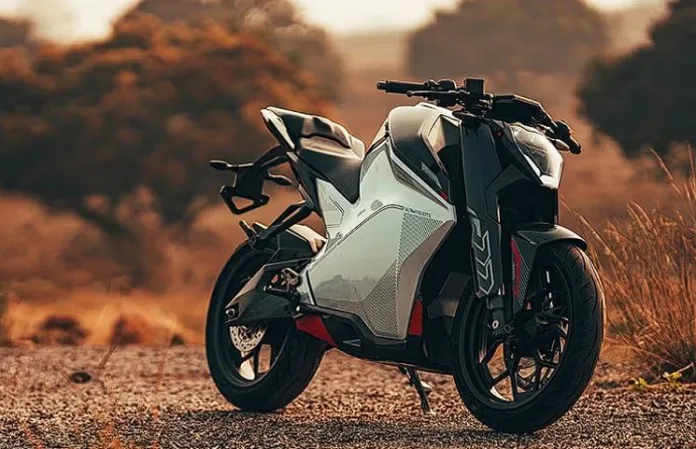

The numbers are in, and they tell a sobering story about India’s electric two-wheeler dream. Ultraviolette Automotive, the Zoho-backed EV startup building premium electric motorcycles, doubled its revenue to ₹32.3 crore in FY25—but burned through ₹116 crore in losses.
With only 547 bikes sold across the entire fiscal year, the question isn’t whether Ultraviolette makes great products. It’s whether they can survive long enough to matter.
Table of Contents
Ultraviolette FY25: The Numbers That Tell the Real Story
Ultraviolette’s FY25 financial statements reveal a company caught in the classic startup paradox: growing fast while bleeding faster.
| Financial Metric | FY25 | FY24 | Change |
|---|---|---|---|
| Revenue from Operations | ₹32.3 Cr | ₹15 Cr | +115% |
| Total Expenses | ₹189 Cr | ₹107 Cr | +77% |
| Net Loss | ₹116 Cr | ₹61.6 Cr | +88% |
| Units Sold | 547 bikes | – | – |
| Cost per ₹1 Revenue | ₹5.85 | ₹7.13 | Improved |
| Cash & Bank Balance | ₹46 Cr | – | – |
Revenue grew 115%, which sounds impressive until you realize expenses grew 77% and losses surged 88%. The math is brutal: for every rupee Ultraviolette earned in FY25, they spent ₹5.85—an improvement from ₹7.13 the previous year, but still unsustainable.
Where the Money Goes
Here’s the fascinating—and concerning—breakdown of Ultraviolette’s cost structure:
The Expense Pyramid
| Expense Category | FY25 Amount | % of Total | Key Insight |
|---|---|---|---|
| Employee Benefits | ₹59 Cr | 31% | Largest expense (+28% YoY) |
| Material Costs | ₹33 Cr | 17% | 2.2X jump from FY24 |
| Advertising | ₹29 Cr | 15% | 4.8X surge—brand building push |
| Depreciation | ₹27.5 Cr | 15% | Manufacturing infrastructure |
| R&D Expenses | ₹7.6 Cr | 4% | Innovation investment |
| IT Expenses | ₹7 Cr | 4% | Tech infrastructure |
The takeaway? Ultraviolette is spending big on talent (₹59 crore on employees) and marketing (₹29 crore on advertising—nearly 5X the previous year). They’re betting that premium branding and engineering excellence will eventually crack the Indian market.
But here’s the problem: material costs more than doubled to ₹33 crore, eating up any economies of scale from increased production.
The Premium Two-Wheeler Paradox
Founded in 2015 by Narayan Subramaniam and Niraj Rajmohan, Ultraviolette builds performance-oriented electric motorcycles that look stunning and promise thrilling rides. With $100 million raised from investors including TVS Motor Company and Mudhal Partners, they have the financial backing to pursue their vision.
Yet they’ve sold just 547 vehicles across an entire fiscal year.
Why Premium EVs Struggle in India
The Indian buyer—at every price point—remains fiercely practical. Aspirational products need more than sleek designs and impressive specs. They need:
✓ Viral brand moments – Think Royal Enfield’s heritage campaigns or Ather’s tech-savvy positioning
✓ Celebrity endorsements – Strong personalities that embody the brand
✓ After-sales confidence – Service networks Indians can trust
✓ Resale value assurance – The ability to recover investment
Ultraviolette hasn’t cracked this code yet. Their 4.8X surge in advertising spending shows they’re trying, but in India’s cutthroat EV market, trying isn’t enough.
The Cash Runway Question
With ₹46 crore in cash and ₹170 crore in current assets, Ultraviolette has runway—but it’s shrinking fast. At a ₹116 crore annual burn rate, they have roughly 4-5 months of cash before needing another funding round.
The Profitability Math
Let’s do some sobering arithmetic:
- Current revenue per unit: Approximately ₹59 lakh (₹32.3 crore ÷ 547 bikes)
- Current loss per unit: Approximately ₹21 lakh per bike sold
- Break-even requirement: Reduce costs by 78% OR increase volumes 5X while holding costs flat
Neither scenario seems realistic in the near term.
The Investor Dilemma
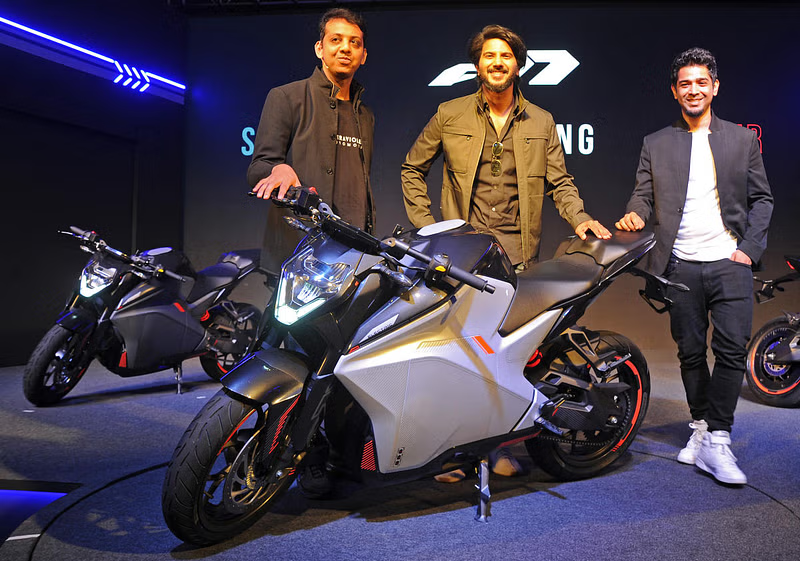
The co-founders own just 29% of the company—meaning investors control the majority. TVS Motor Company and other backers clearly see something worth pursuing, but they face a critical decision:
Option A: Double Down
Invest another ₹200-300 crore to fund aggressive marketing, expand service networks, and achieve the scale needed for unit economics to improve.
Option B: Strategic Pivot
Shift to a B2B model, licensing technology to larger manufacturers rather than competing in the brutal retail market.
Option C: Managed Exit
Find an acquisition partner who can leverage Ultraviolette’s technology within an existing distribution network.
What Success Would Look Like
For Ultraviolette to survive, they need to:
- 10X unit sales to 5,000+ bikes annually within 18 months
- Cut cost per bike by 40% through manufacturing efficiencies
- Create a viral brand moment that makes Ultraviolette synonymous with premium electric performance
- Build service confidence with 50+ service centers in Tier 1 and Tier 2 cities
The ROCE of -40.88% and EBITDA margin of -396.75% tell the real story: this is a company building for the future, not the present.
The Bottom Line
Ultraviolette Automotive isn’t failing—they’re attempting one of the hardest challenges in business: creating a premium aspirational brand in a price-sensitive market. Their bikes are engineering marvels. Their team is talented (hence the ₹59 crore employee bill). Their vision is clear.
But vision needs velocity. With only 547 bikes sold in FY25 and losses exceeding ₹116 crore, Ultraviolette is in a race against their own burn rate.
The next 12 months will determine whether India’s premium electric motorcycle dream becomes reality—or another cautionary tale about ambition meeting market reality. For investors who’ve poured $100 million into this vision, it’s time to go all-in or gracefully exit.
The middle ground? That’s where startups go to die.

