


India’s electric vehicle dream just hit a harsh reality check. Out of 46 EV models submitted for the government’s Production-Linked Incentive (PLI) scheme, only six have qualified.
That’s a shocking 13% success rate, and it exposes a brutal truth: India’s EV industry is still heavily dependent on imported components, particularly from China. While the government pushes ambitious electrification targets, the domestic supply chain simply isn’t ready to support them.
Table of Contents
The Devastating Numbers
The PLI scheme requires at least 50% of a vehicle’s components to be manufactured and sourced locally—a threshold that proved insurmountable for 87% of applicants.
| Category | Count | Percentage |
|---|---|---|
| Total EV Models Submitted | 46 | 100% |
| Models Qualified | 6 | 13% |
| Models Rejected | 40 | 87% |
| Qualifying Companies | Models | Status |
| Tata Motors | 5 models | Approved |
| Mahindra | 1 model | Approved |
| All Others (Hyundai, Kia, MG, BMW, Audi, Mercedes-Benz, etc.) | 0 models | Rejected |
The Winners: Tata and Mahindra Dominate
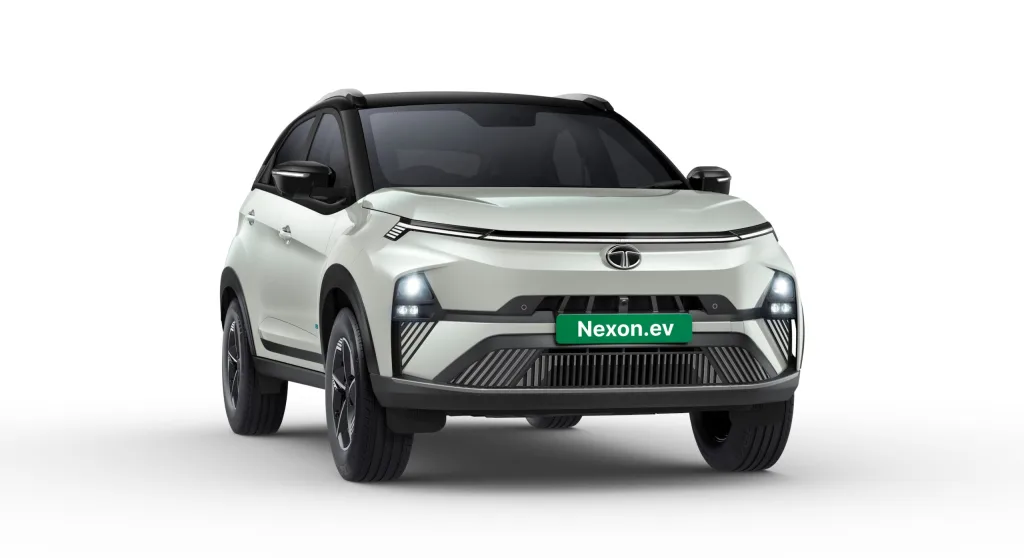
Only five models from Tata Motors and one from Mahindra made the cut:
Tata Motors (5 Models):
- Tata Nexon EV
- Tata Tiago EV
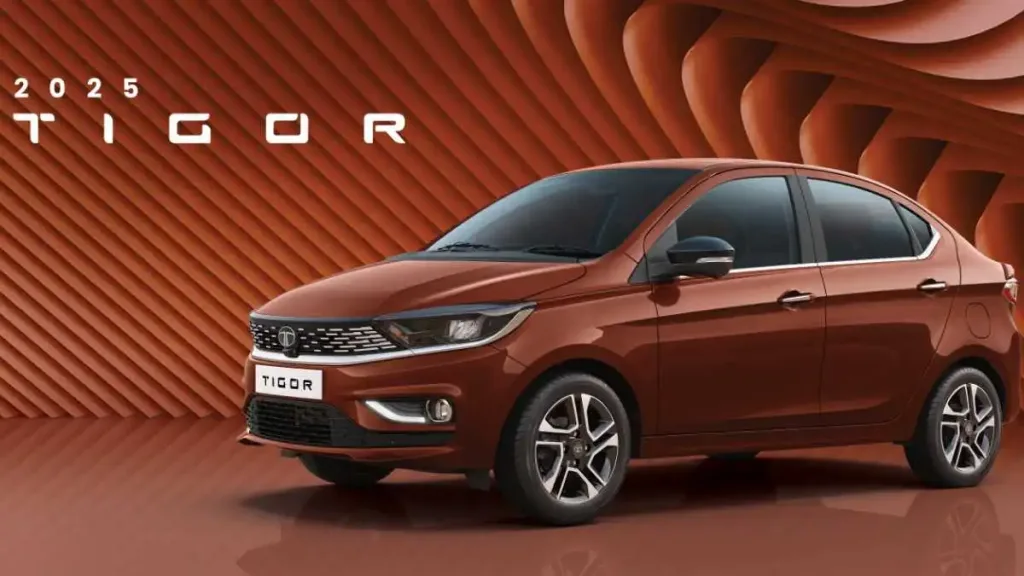
- Tata Tigor EV
- Tata Punch EV
- Tata Harrier EV
Mahindra (1 Model):
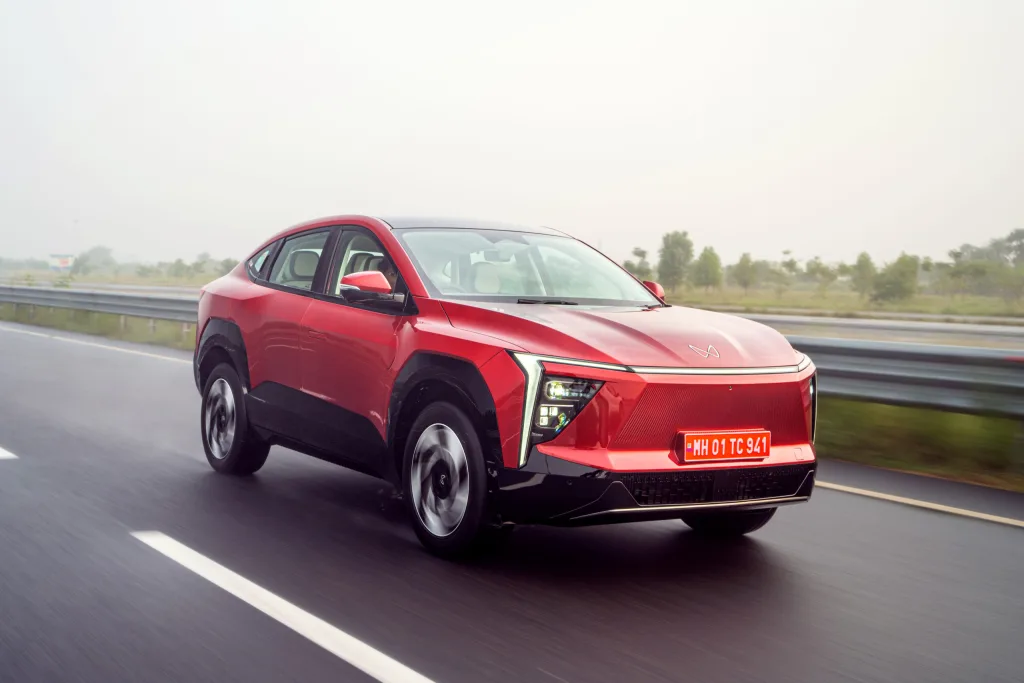
- Mahindra XEV 9E
The Shocking Failures
Here’s what makes this even more startling: even newer models from Tata and Mahindra—like the Tata Curvv EV and Mahindra BE 6—failed to qualify due to insufficient local content.
Major Brands That Didn’t Make the Cut:
- Hyundai (including the popular Ioniq 5)
- Kia (EV6 and EV9)
- JSW MG Motor (ZS EV, Comet EV, Windsor EV)
- Mercedes-Benz (EQS, EQB)
- BMW (iX, i4, i7)
- Audi (e-tron range)
- Citroën (eC3)
- VinFast
- Volvo
- Tesla (if they had applied)

What’s Actually Imported?
India’s EV manufacturers are heavily reliant on imports for critical components, predominantly sourced from China and Taiwan:
| Component | Import Dependency | Primary Source |
|---|---|---|
| Lithium-ion Battery Cells | Very High | China, Taiwan |
| Rare Earth Magnets | Very High | China |
| DC Motors | High | China, Taiwan |
| Laminated Stators | High | China |
| Semiconductor Chips | Very High | Taiwan, China |
| Printed Circuit Boards | High | China, Taiwan |
These aren’t minor parts—these are the heart, brain, and muscles of every electric vehicle. Without local production of these components, India’s “Make in India” EV dream remains just that: a dream.
Why Is Localization So Difficult?
The chicken-and-egg problem is killing India’s EV supply chain:
1. Market Size Too Small
Limited EV sales make it difficult to persuade supply chain partners to invest in local production facilities in India. Why would a battery cell manufacturer invest hundreds of crores to set up a factory when the market only supports a few thousand units?
2. Early Stage Ecosystem
The local supply ecosystem for EVs simply isn’t as developed as it is for traditional internal combustion engine vehicles. ICE vehicles have had decades to build their supply networks—EVs are starting from scratch.
3. High Investment Requirements
Setting up lithium-ion battery cell manufacturing requires billions in capital investment, specialized technology, and expertise that India is still developing.
4. Geopolitical Vulnerabilities
Heavy reliance on imports raises concerns about supply chain vulnerabilities, especially in light of geopolitical tensions with China.
What the PLI Scheme Actually Demands
The Production-Linked Incentive scheme isn’t just about paperwork—it has teeth:
| Requirement | Specification |
|---|---|
| Minimum Domestic Value Addition (DVA) | 50% of components |
| Battery Manufacturing | Must be substantially local |
| Critical Components | Majority should be Indian-made |
| Investment Threshold | Minimum ₹4,150 crore for new entrants |
| Timeline | 25% DVA by Year 3, 50% DVA by Year 5 |
These aren’t suggestions—they’re mandatory thresholds. And 87% of EV models couldn’t meet them.
Why Tata Succeeded Where Others Failed
Tata Motors has been systematically building its EV supply chain for years:
Tata’s Strategic Advantages:
- Early mover advantage in EV space since 2020
- Vertical integration with battery pack assembly in-house
- Scale to justify supplier investments in localization
- Government partnership through various PSU tie-ups
- JLR expertise leveraging parent company technology
Mahindra’s single qualifying model—the XEV 9E—represents their newer electric platform built with localization in mind from day one.
The Cost of Import Dependency
This isn’t just about pride—it’s about economics and national security:
Economic Impact:
- Higher vehicle costs due to import duties
- Foreign exchange outflow
- Limited profit margins for manufacturers
- Vulnerable to currency fluctuations
Strategic Risks:
- Supply chain disruptions during geopolitical conflicts
- Dependence on a single country (China) for critical tech
- Inability to control pricing or availability
- National security concerns around semiconductor dependence
What Needs to Happen Next
The government and industry stakeholders must collaborate to enhance the local supply ecosystem through investing in research and development, fostering partnerships with local suppliers, and creating a conducive environment for manufacturing.
Short-Term Solutions (1-2 Years)
- Joint ventures between Indian and global component manufacturers
- Import duty rationalization on critical components during transition
- Skill development programs for battery technology and semiconductor manufacturing
- R&D incentives for indigenous technology development
Long-Term Strategy (3-5 Years)
- Battery cell manufacturing at gigafactory scale
- Rare earth mining and processing capabilities
- Semiconductor fabrication plants specifically for automotive chips
- Complete EV ecosystem from raw materials to finished vehicles
The Silver Lining
India’s local EV battery ecosystem is developing. Multiple companies are aiming to produce and package their own lithium-ion cells, and localization will likely increase over time.
Positive Developments:
- PLI scheme for Advanced Chemistry Cell (ACC) batteries with ₹18,100 crore outlay
- PM E-DRIVE scheme with ₹10,900 crore for EV adoption
- Growing investment in charging infrastructure
- State-level EV policies providing additional incentives
What This Means for Buyers
If you’re planning to buy an EV:
- ✓ Tata models will likely be cheaper due to PLI benefits
- ✓ Mahindra XEV 9E qualifies for incentives
- ✗ Hyundai, Kia, MG models may remain expensive
- ✗ Luxury EVs (BMW, Audi, Mercedes) will stay premium-priced
- ⚠ Resale value might favor locally-manufactured models
The Bottom Line
The 6-out-of-46 statistic isn’t a failure of the PLI scheme—it’s a mirror showing India’s EV industry exactly where it stands. The scheme is working as intended: exposing the gaps, forcing hard conversations, and incentivizing genuine localization rather than assembly-only operations.
Tata Motors and Mahindra aren’t succeeding because they’re lucky—they’re winning because they invested early, built deep supply chains, and committed to true “Make in India” manufacturing.
For India to achieve its ambitious EV targets—30% electric vehicle penetration by 2030—the other 40 rejected models need to get serious about localization. That means:
- Building battery cell factories, not just pack assembly units
- Developing Indian semiconductor capabilities
- Creating rare earth processing infrastructure
- Training thousands of engineers in electric powertrain technology
The PLI scheme just drew a line in the sand. On one side: companies genuinely committed to building India’s EV ecosystem. On the other: brands content to assemble imported components and call it “Made in India.”
The choice for manufacturers is clear: localize comprehensively or lose out on billions in incentives. For India’s electric future, there’s no middle ground.

