

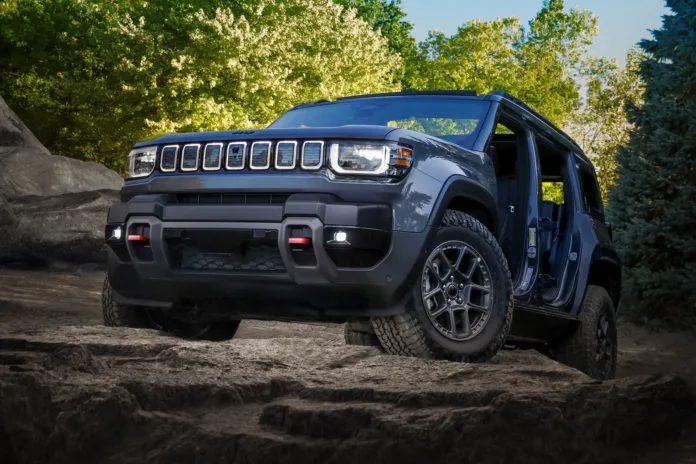

The charging war is officially over. Stellantis, the last major global automaker holding out, has finally announced it will adopt Tesla’s North American Charging Standard (NACS) for its electric vehicles. If you drive a Jeep, Dodge, Chrysler, Ram, Alfa Romeo, or Fiat EV, your charging world just expanded dramatically.
Table of Contents
Why This Matters: 28,000 New Charging Stations
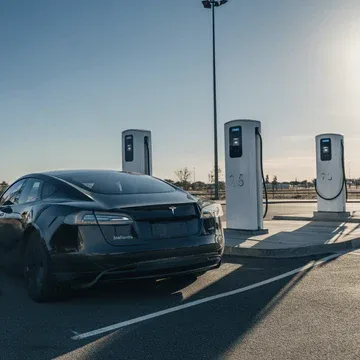
Stellantis EVs will gain access to over 28,000 Tesla Supercharging stalls across the United States, Canada, Mexico, Japan, and South Korea. That’s not just more plugs—it’s access to the most reliable fast-charging network on the planet.
For perspective: Tesla’s Supercharger network has 60 percent more stalls than all CCS1-equipped networks combined. This is like suddenly getting VIP access to the country club you’ve been watching through the fence.
What This Means for Stellantis Brands:
| Timeline | Vehicles Affected | Access Method |
|---|---|---|
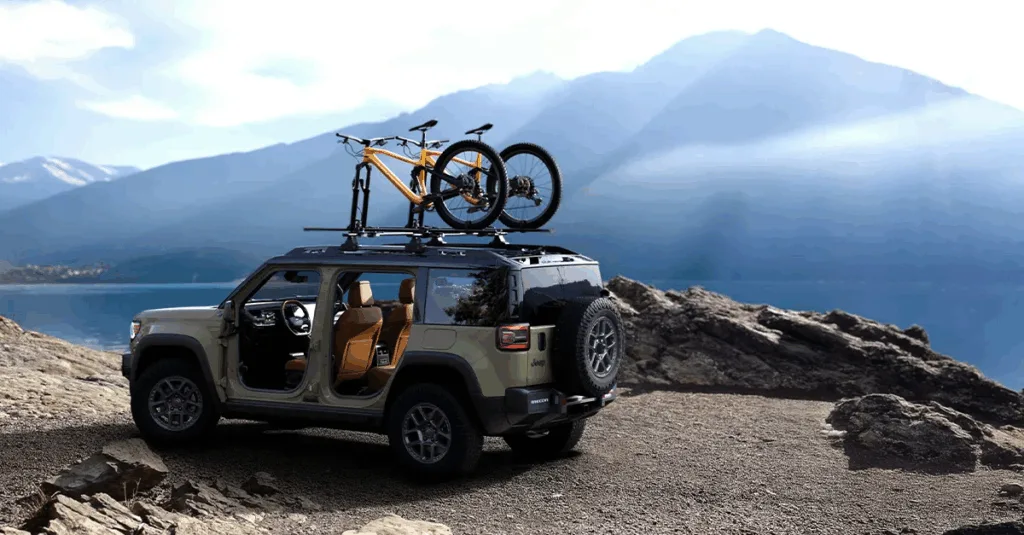
| Early 2026 | Jeep Wagoneer S, Dodge Charger Daytona | NACS-to-CCS adapter required |
| 2026+ | Jeep Recon and future BEVs | Native NACS port built-in |
| 2027 | Japan & South Korea models | Native NACS port |
The Reluctant Convert
Stellantis’s late adoption might have an explanation—the carmaker has been reluctant to go all-in with electrification, delaying new EV models and canceling others. While competitors rushed to sign Tesla deals in 2023, Stellantis sat on the sidelines evaluating options.
Even Faraday Future, a company that has delivered just 16 vehicles in its entire history, announced its NACS transition before Stellantis. Talk about fashionably late to the party.
Beyond North America: Going Global
Here’s where it gets interesting. Stellantis announced the international expansion of SAE J3400 use in Japan and South Korea, challenging global charging norms outside North America for the first time.
Why Japan and Korea? Both markets have messy charging landscapes with CHAdeMO and various CCS flavors competing. Tesla highlighted how the transition benefits these regions by eliminating connector-side locking found in CHAdeMO and CCS1, improving ease of use and reliability.
The Industry Domino Effect
Ford Motor Company became the first major automaker to announce NACS adoption in May 2023, triggering an industry-wide avalanche. GM, Mercedes, Hyundai-Kia, BMW, Volkswagen, and even cautious Toyota followed suit. By February 2024, virtually every major Western automaker had committed—except Stellantis.
Why Everyone Switched:
- Network size: Tesla’s charging infrastructure dwarfs competitors
- Reliability: Superchargers consistently work (a rarity in EV charging)
- Design: NACS connector is smaller, lighter, and easier to handle than CCS
- Federal support: The U.S. government endorsed NACS in December 2023
What Happens to Current Stellantis EV Owners?
If you already own a Jeep Wagoneer S or Dodge Charger Daytona with the old CCS1 port, don’t worry. Stellantis’ existing EVs will require a NACS-to-CCS1 adapter to access Superchargers. Details on adapter availability and whether they’ll be free (like Ford offered) haven’t been announced yet.
The Hidden Winner: IONNA Network
Stellantis isn’t just relying on Tesla. The company is also a founding member of IONNA, a new rapidly growing charging network created by multiple automakers. IONNA stations will feature both NACS and CCS connectors, providing another charging option as the network expands across North America.
The Bigger Picture
NACS uses a single compact connector for both AC and DC charging, sharing common pins for both modes, unlike other systems that require different or larger connectors for DC fast charging. This simplicity is why it’s winning.
With Stellantis’s announcement, Tesla’s proprietary connector from 2012 has become the de facto North American standard in just over two years—one of the fastest technology transitions in automotive history.
The Bottom Line:
Stellantis may have been the last holdout, but it’s joining a winning team. For customers, this means fewer charging headaches, more road trip confidence, and access to the infrastructure that actually works. Sometimes being late to the party is better than not showing up at all—especially when the party has 28,000 chargers waiting for you.

