

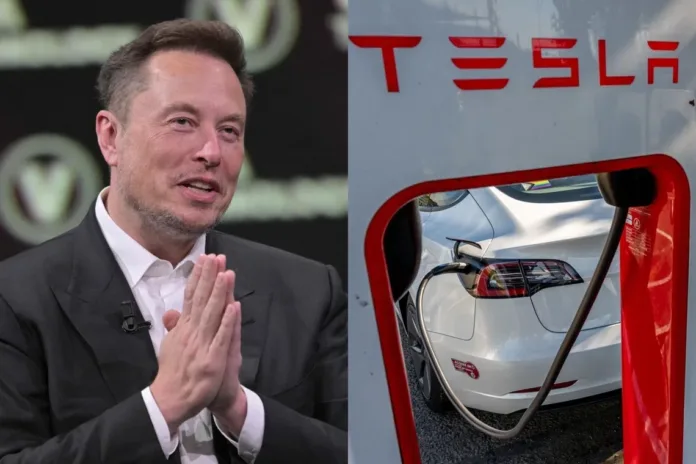

Picture this: You’re standing in a showroom, ready to go electric. The Tesla gleams under the lights, a technological marvel. But something stops you—not the price tag, not the features—but the politics behind the brand.
You’re not alone. A groundbreaking new survey reveals that politics has become a powerful force in the electric vehicle market, and Tesla is feeling the heat.
Table of Contents
The Numbers That Shocked the Industry
A global survey of over 26,000 EV owners found that 41% would avoid Tesla for political reasons, with avoidance rates highest in the US, Germany, Australia, and New Zealand. The research, conducted by the Global EV Alliance between September and October 2025, painted a surprising picture of how personal values now drive purchase decisions.
But Tesla isn’t the only target. Overall, 53% of respondents would avoid certain brands or countries of origin for political reasons, with 12% avoiding Chinese-made EVs.
Where Politics Matters Most
The impact varies dramatically depending on where you live. In Norway, which is leading the world in the adoption of electric vehicles, 43 percent of respondents said they would avoid a Tesla. Meanwhile, in India the figure was just two percent.
Here’s how different regions responded:
| Region/Country | % Avoiding Tesla | Key Factor |
|---|---|---|
| USA & Germany | ~50% | High political awareness |
| Norway | 43% | Strong EV adoption culture |
| India | 2% | Limited choices, affordability focus |
| Lithuania | 43% (Chinese EVs) | Geopolitical concerns |
The Affordability Factor
Why such stark differences? Ellen Hiep, a member of the Global EV Alliance steering committee, noted that Chinese models, which are less expensive, are much more common in developing countries than higher-end brands like Tesla.
The reality is simple: When you have choices, principles matter. When options are limited, practicality wins. In markets like Europe and North America where buyers can choose from multiple brands, political considerations carry weight. In developing markets where affordable options are scarce, getting behind the wheel of any electric vehicle is the priority.
What’s Driving the Boycott?
Elon Musk’s recent political involvement has stirred considerable controversy. The Tesla CEO attracted public criticism for his support of far-right movements in Europe, and his close association with political figures has made some buyers uncomfortable with supporting the brand.
The survey even captured reactions to Chinese manufacturing, though preferences varied significantly by country and market availability.
The Business Impact
Tesla’s stock fell nearly 2% after the poll results hit headlines, showing that consumer sentiment can quickly translate into market consequences. Yet the company continues performing strongly in some metrics, having recently delivered record vehicle numbers.
The question facing the industry isn’t whether politics influences purchases—clearly it does—but how brands will navigate an increasingly values-conscious marketplace.
What This Means for You
If you’re shopping for an EV, this survey tells you something important: You’re part of a growing movement where the car you choose reflects more than transportation needs. It’s about alignment with your values.
For manufacturers, the message is equally clear. Brand reputation extends far beyond product quality. In today’s connected world, a CEO’s actions, company policies, and political associations matter as much as range per charge or acceleration times.
The electric vehicle revolution isn’t just about technology anymore. It’s become deeply personal, shaped by the complex intersection of innovation, values, and the choices we make about the kind of future we want to drive toward.

