

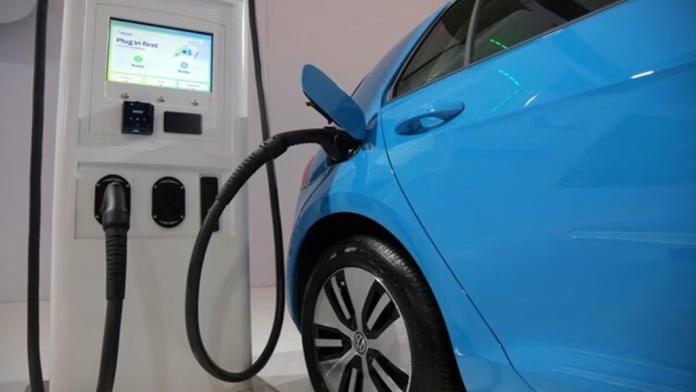

Imagine driving your electric car and finding a charging station every few kilometers—no range anxiety, no panic. That’s the reality in Chandigarh today. But travel to Arunachal Pradesh, and you’ll face a completely different story.
A groundbreaking study has exposed the stark divide in India’s electric vehicle landscape, revealing which states are racing ahead toward a zero-emission future and which ones are being left behind in the dust.
Table of Contents

The Champion: Chandigarh Leads with Flying Colors
The 2024 HERE-SBD EV Index crowned Chandigarh as India’s most EV-friendly territory with an impressive score of 81.9, thanks to exceptional charger availability and a high share of battery electric vehicles in its fleet.
What makes Chandigarh’s achievement remarkable? The union territory has 148 public EV chargers serving just 179 battery electric vehicles—nearly one charger per vehicle. This is infrastructure done right.
Chandigarh’s success stems from its comprehensive Zero Emission Vehicle Deployment Plan, which has encouraged both EV purchases and charging network development. The city didn’t just talk about going green; it built the roads to get there.
The Top and Bottom Performers
Here’s how India’s states and union territories stack up in EV readiness:
| Ranking | State/UT | Key Strength | Score/Status |
|---|---|---|---|
| Top 5 | |||
| 1 | Chandigarh | Best charging infrastructure | 81.9/100 |
| 2 | Goa | Robust adoption policies | Strong |
| 3 | Delhi | 1 charger per 12.5 km road | Strong |
| 4 | Karnataka | Rising charger availability | Improving |
| 5 | Tamil Nadu | Comprehensive policy | Good |
| Bottom 5 | |||
| Last | Arunachal Pradesh | Minimal infrastructure | Weakest |
| -4 | Assam | Limited charging network | Poor |
| -3 | Bihar | Low EV penetration | Poor |
| -2 | Jharkhand | Infrastructure gaps | Poor |
| -1 | Sikkim | Adoption challenges | Poor |
What the Index Measured
The study evaluated states based on four critical metrics, each carrying 25 points for a total score of 100:
- Charger Availability: Number of public EV chargers per kilometer of road
- Charging Speed: Average power capacity of public chargers
- EV Fleet Share: Proportion of electric vehicles compared to traditional vehicles
- Charger-to-Vehicle Ratio: Likelihood of finding an available charger
The Policy Divide: Comprehensive vs. Incomplete
Beyond infrastructure, another study by Climate Trends examined the comprehensiveness of state EV policies across 21 parameters.
Maharashtra, Haryana, Delhi, and Uttar Pradesh emerged as states with the most comprehensive EV policies, covering at least 12 of 21 parameters.
Meanwhile, Arunachal Pradesh’s policy was deemed least comprehensive, addressing only three of 21 specified parameters. Manipur and Himachal Pradesh followed with policies covering just five and six parameters respectively.
Where Incentives Matter Most
Delhi, Odisha, Bihar, Chandigarh, and Andaman & Nicobar offer the strongest demand-side incentives for consumers, including road tax and registration fee exemptions, upfront subsidies, and charging tariff benefits.
These financial incentives make the difference between someone considering an EV and actually buying one. When the government reduces the price gap between electric and traditional vehicles, adoption accelerates.
The Infrastructure Challenge
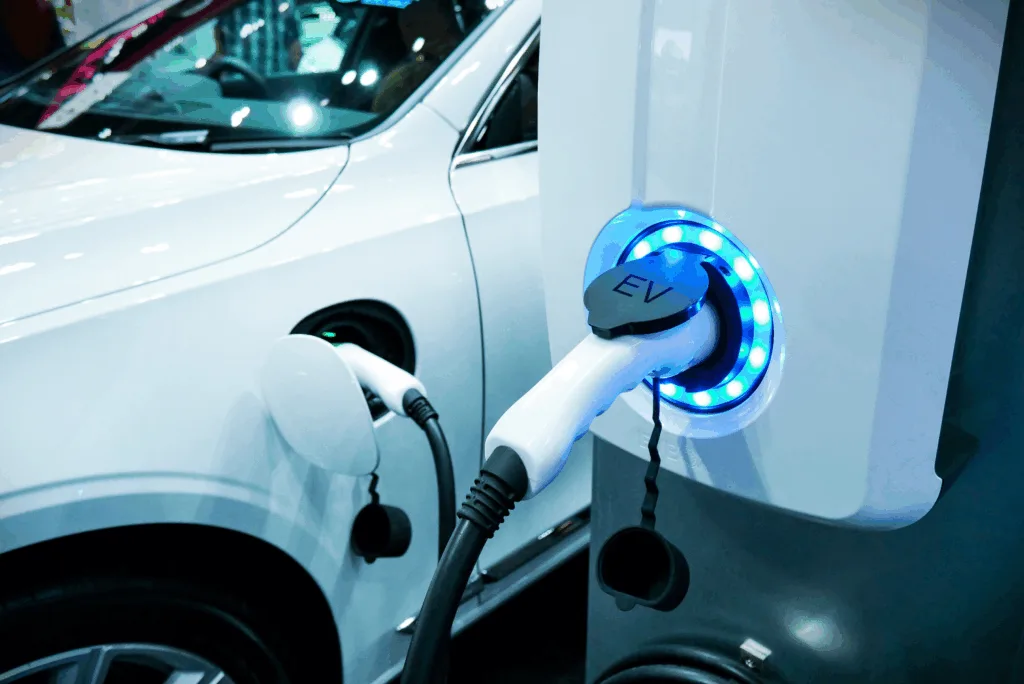
The study highlighted a troubling reality: infrastructure distribution remains highly uneven. Despite having high average charger power capacity, Manipur has only one recorded public charger—a perfect example of how raw numbers don’t tell the complete story.
Delhi has made significant progress, ensuring one charger per 12.5 kilometers of road, which helps alleviate range anxiety among potential EV buyers.
Why Some States Lag Behind
The bottom-ranked states face multiple challenges:
- Limited financial resources for infrastructure investment
- Lower population density making charger deployment less economical
- Difficult terrain in mountainous regions
- Lack of comprehensive policy frameworks
- Limited consumer awareness about EV benefits
Arunachal Pradesh stands as the only state without set goals for EV sales, manufacturing, or charging infrastructure—a policy vacuum that explains its last-place ranking.
What This Means for India’s EV Future
The disparities revealed by these studies aren’t just statistics—they represent real barriers for millions of Indians who want to embrace electric mobility but lack the infrastructure or policy support to do so.
For potential EV buyers, the message is clear: where you live dramatically affects your electric vehicle experience. In Chandigarh, going electric is seamless. In Arunachal Pradesh, it remains a distant dream.
For policymakers, the report serves as both a mirror and a roadmap. States leading the charge demonstrate that comprehensive policies combined with infrastructure investment create successful EV ecosystems. Those lagging behind need urgent interventions—strategic investments, clearer policies, and commitment to sustainable transportation.
As India accelerates toward its environmental goals, bridging this EV divide isn’t just desirable—it’s essential. The transition to electric mobility cannot succeed if it only happens in select cities while entire regions remain excluded.
The race to electrify India’s roads has begun. Some states are sprinting ahead. Others haven’t even left the starting line.

