

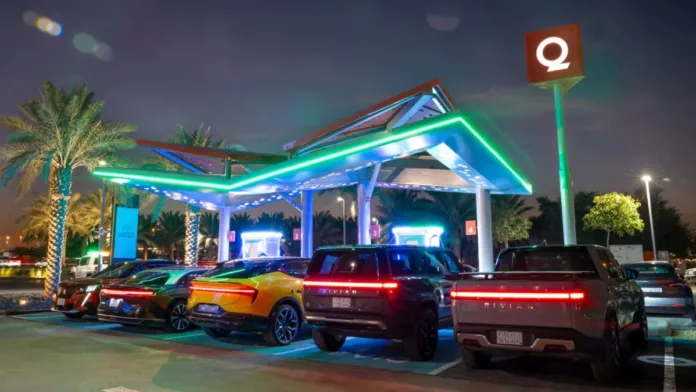

Picture this: cruising through the Saudi Arabian desert in your electric vehicle, sunlight glinting off solar panels, and not a single worry about where your next charge will come from. Sounds futuristic? It’s happening right now.
Saudi Arabia is making a bold statement in the electric vehicle revolution. The Kingdom isn’t just dipping its toes into sustainable transportation—it’s diving in headfirst with an ambitious infrastructure plan that’s transforming the landscape of mobility across the Arabian Peninsula.
Table of Contents
The Big Announcement: 60 Stations Before Year’s End
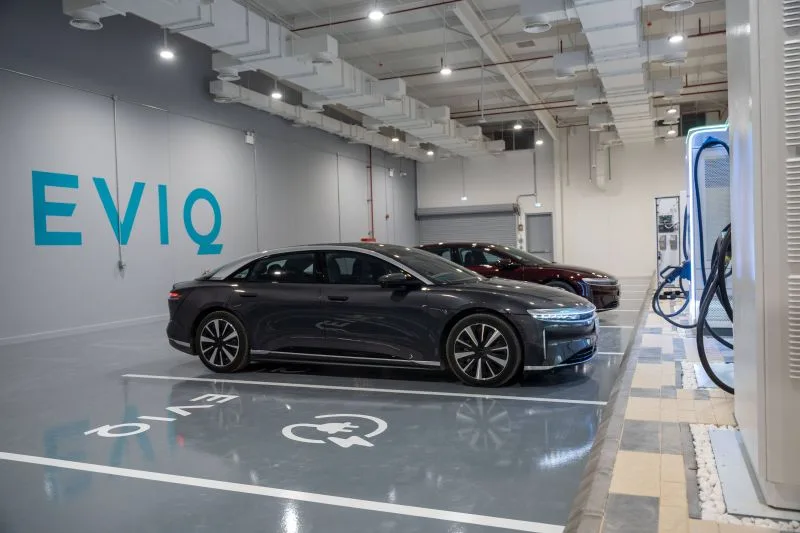
EVIQ, Saudi Arabia’s state-backed EV charging powerhouse, has just confirmed something electric vehicle enthusiasts have been waiting to hear: 60 brand-new charging stations will be operational by the end of 2025. This isn’t just an incremental upgrade—it’s a seismic shift in how Saudi Arabia approaches sustainable transportation.
Mohammad Gazzaz, CEO of EVIQ, delivered this game-changing news while acknowledging the Kingdom’s EV market is still in its “early stages.” Currently, electric vehicles represent only about 1% of new car sales in Saudi Arabia, but that number is about to explode.
Who’s Behind This Electric Revolution?
EVIQ isn’t just another startup chasing green dreams. It’s a powerful joint venture between the Public Investment Fund and Saudi Electricity Co.—two giants combining forces to create a comprehensive national charging network that will support explosive EV growth over the coming years.
| Key Players | Role |
|---|---|
| EVIQ | Leading infrastructure development |
| Public Investment Fund | Financial backing & strategic support |
| Saudi Electricity Co. | Power supply & technical expertise |
| Lucid Motors | Local EV manufacturing partner |
| Ceer | Saudi-based EV brand collaboration |
Where Will These Charging Stations Pop Up?
The expansion isn’t random—it’s strategically designed to connect Saudi Arabia’s major cities and economic hubs:
Primary Focus Areas:
- Riyadh – The capital and economic powerhouse
- Jeddah – The gateway to Mecca and commercial center
- Eastern Province – Oil industry headquarters and industrial hub
Major Highway Corridors:
- Jeddah to Madinah route
- Riyadh to Dammam corridor
- Riyadh to Qassim connection
These aren’t just local routes—they’re the arteries of Saudi commerce and pilgrimage, serving millions of travelers annually. Placing charging infrastructure along these highways eliminates range anxiety and makes long-distance EV travel practical, not just possible.
The Numbers Behind the Vision
| Metric | Target | Timeline |
|---|---|---|
| New Stations (2025) | 60 stations | End of 2025 |
| Long-term Goal | 5,000 stations | Aligned with adoption rates |
| EV Adoption Target | 30% of vehicles | By 2030 |
| Current EV Market Share | ~1% | As of 2024 |
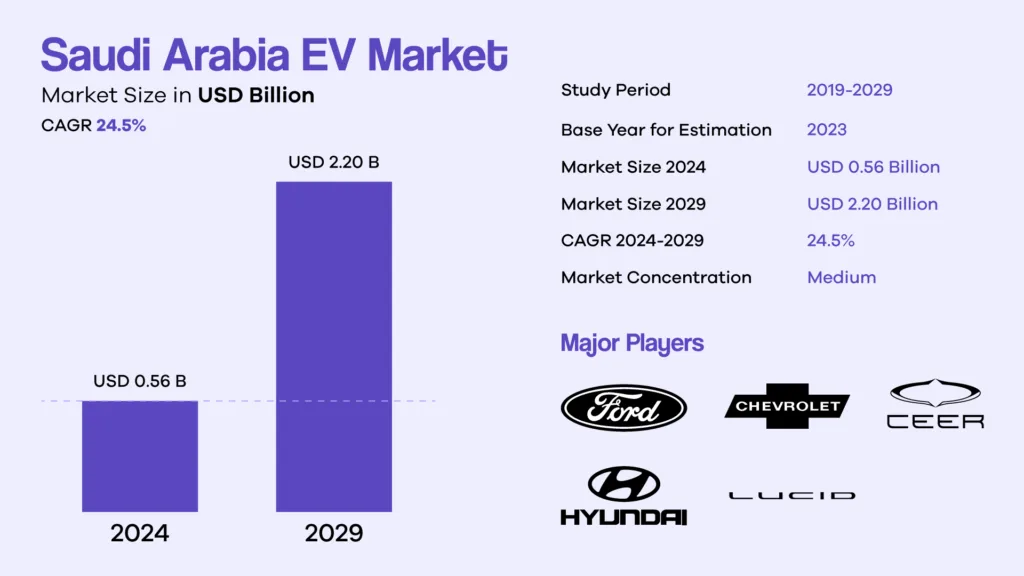
The contrast between 1% today and 30% by 2030 isn’t just ambitious—it’s revolutionary. That’s a 30-fold increase in just six years, requiring infrastructure to match demand at every step.
Why This Matters Beyond Saudi Arabia
Saudi Arabia has built its economy on fossil fuels for decades. This pivot toward electric vehicles represents more than environmental consciousness—it’s a fundamental reimagining of the Kingdom’s future under Vision 2030, the comprehensive plan to diversify beyond oil dependency.
When an oil-producing giant invests heavily in EV infrastructure, it sends a powerful message to the global community: the future is electric, and it’s arriving faster than anyone predicted.
The Brand Boost: Who’s Driving Change?
The charging infrastructure expansion coincides perfectly with major automakers flooding the Saudi market with compelling EV options:
- Tesla – Already turning heads with Model 3 and Model Y
- Mercedes-Benz – Bringing luxury electric sedans and SUVs
- BYD – Offering affordable electric options for mass adoption
- Lucid Motors – Manufacturing premium EVs locally in Saudi Arabia
- Ceer – The homegrown Saudi EV brand powered by Rimac technology
EVIQ’s partnerships with Lucid and Ceer are particularly strategic, ensuring that locally-produced vehicles integrate seamlessly with the national charging network. This creates a “smooth and flexible charging experience” that eliminates friction for early adopters.
What Happens After 2025?
While 60 stations by year-end is impressive, it’s merely the opening act. Gazzaz outlined even bolder ambitions: 5,000 charging stations nationwide. Though there’s no fixed deadline, this expansion will scale proportionally with EV adoption rates—a smart, sustainable approach that avoids building infrastructure nobody uses while ensuring supply never lags behind demand.
The focus in 2026 will intensify on highway coverage, making cross-country electric travel not just feasible but comfortable. Imagine driving from Riyadh to Jeddah knowing charging stations await you at regular intervals, just like traditional gas stations today.
The Bottom Line: Saudi Arabia’s Electric Future
This isn’t just about installing charging points—it’s about cultural transformation. Saudi Arabia is proving that oil-rich nations can lead the renewable energy transition rather than resist it.
For EV enthusiasts, potential buyers, and environmental advocates, the message is clear: Saudi Arabia is building the infrastructure for an electric future, and it’s happening faster than most people realize.
The countdown to 60 stations has begun. By the time 2025 wraps up, Saudi Arabia will have transformed from an EV curiosity to a serious player in sustainable transportation. And with Vision 2030’s 30% adoption target looming, this is just the beginning of the Kingdom’s electric revolution.

