

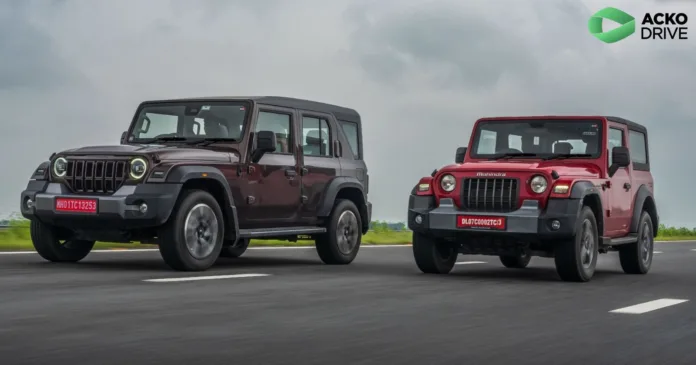

October 2025 was a milestone month for Mahindra & Mahindra. The automaker smashed its previous records, selling over 71,000 SUVs domestically. Yet behind the celebration lies a surprising reality: electric vehicles make up less than 7% of their sales.
While festive demand and favorable tax reforms fueled this success, the numbers reveal a company still heavily reliant on traditional engines. Here’s what the data tells us about it’s journey and what it means for India’s electric future.
Table of Contents
Record-Breaking Numbers That Tell Two Stories
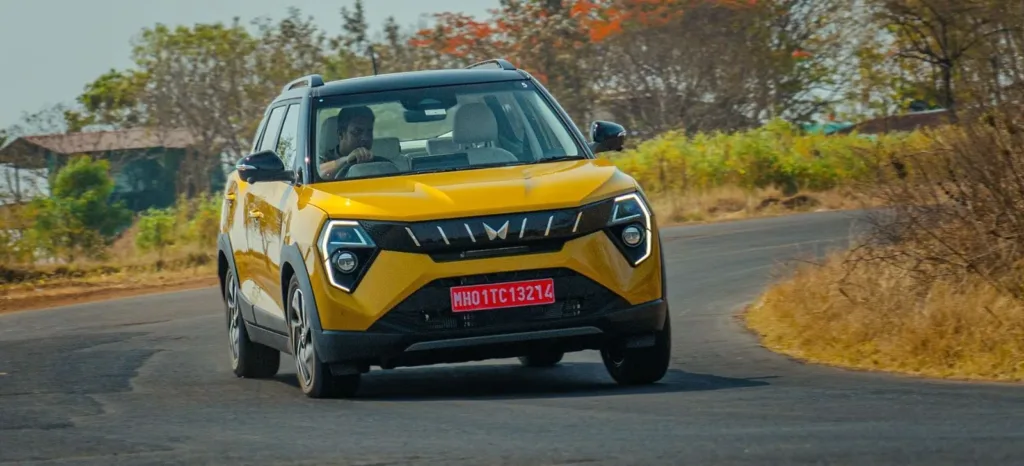
Mahindra didn’t just inch past its previous record—it demolished it. The company sold 71,624 SUVs in October, crushing the 54,504 units sold in October 2024. That’s a commanding 31% year-on-year surge.
The Scorpio range led the charge with 17,880 units, while the rugged Bolero saw the most dramatic growth at 37%. Customers clearly can’t get enough of Mahindra’s ICE-powered lineup, from the adventure-ready Thar to the family-favorite XUV700.
But here’s where the story shifts: of those 71,624 SUVs, only 4,916 were electric. That’s roughly 6.86%—a number that places Mahindra behind its competitors in the electric race.
The EV Gap: Where Mahindra Stands vs. Rivals
The electric vehicle landscape in India is heating up, and Mahindra finds itself playing catch-up. Let’s compare the major players:
| Brand | October EV Sales | Total October Sales | EV Share (%) |
|---|---|---|---|
| Mahindra | 4,916 units | 71,624 units | 6.86% |
| Tata Motors | 6,878 units | 61,295 units | 11.22% |
| MG Motor | 4,464 units | 5,706 units* | 78.2% |
| Hyundai | ~377 units | 53,792 units | 0.7% |
*Based on reported EV share percentage
Tata Motors dominates with over 38% market share in the EV segment, while MG Motor has transformed itself into an electric-first brand. The Windsor EV alone sold over 4,500 units in a single month—nearly matching Mahindra’s entire EV portfolio.
Why Buyers Still Choose Petrol and Diesel
Despite growing environmental awareness, 93% of Mahindra’s customers stuck with internal combustion engines between April and October 2025. The reasons are practical:
Infrastructure anxiety remains real. Charging stations are still sparse outside major cities, making long road trips stressful.
Upfront costs continue to sting. Even with subsidies, EVs demand a higher initial investment that many families find difficult to justify.
Familiar territory matters. Decades of experience with petrol and diesel have created deep trust that electric technology hasn’t yet earned.
The Silver Lining: Explosive EV Growth
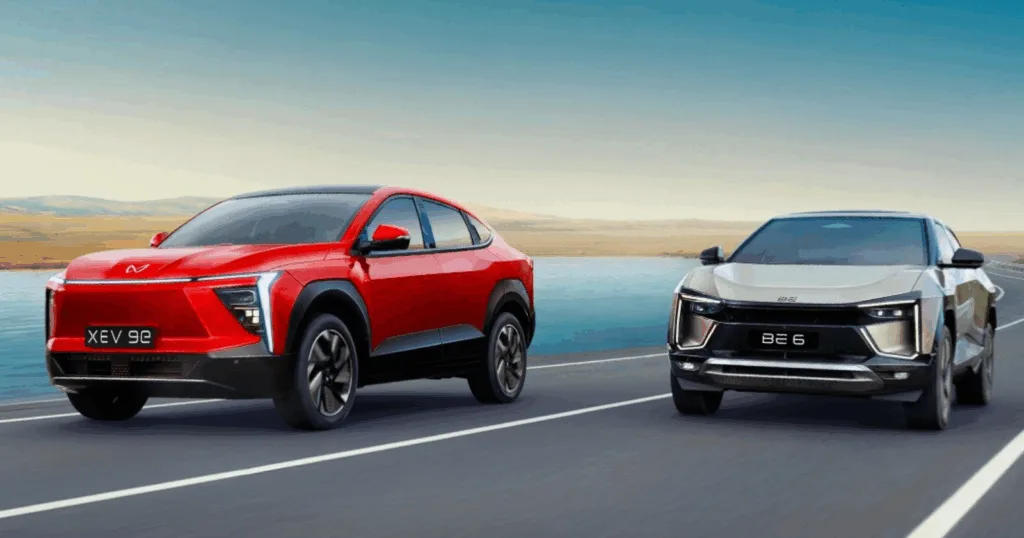
While the percentages seem small, Mahindra’s electric journey shows remarkable momentum. The Electric Origin SUV exploded by 2,252% year-on-year—jumping from just 209 units in October 2024 to nearly 5,000 units this year.
The company’s born-electric models, BE 6 and XEV 9e, are gaining traction. With the upcoming XEV 9S launch on November 27, 2025, Mahindra is clearly doubling down on its electric ambitions.
The target? Reaching 15-25% EV share by 2027. It’s ambitious, but with festive season sales proving that Indian buyers are ready to spend, the transition might happen faster than expected.
What This Means for India’s Electric Future
Mahindra’s October performance captures the exact moment India finds itself in: accelerating toward electric mobility while still firmly anchored to traditional engines.
The good news? Electric vehicles grew 25% year-on-year across the passenger segment. Falling battery costs, expanding charging networks, and supportive policies are slowly chipping away at buyer hesitation.
The reality check? Until charging becomes as convenient as filling up at a petrol pump, and prices drop closer to ICE vehicles, the majority will stick with what they know.
For Mahindra, the record sales prove their ICE SUVs remain unbeatable in desirability. But the real test isn’t winning today—it’s staying relevant tomorrow when the tides inevitably turn electric.
The Bottom Line:
Mahindra is crushing it in traditional SUV sales, but the electric race has only just begun. Whether they can close the gap with Tata and MG will define their next chapter in India’s automotive story.

