

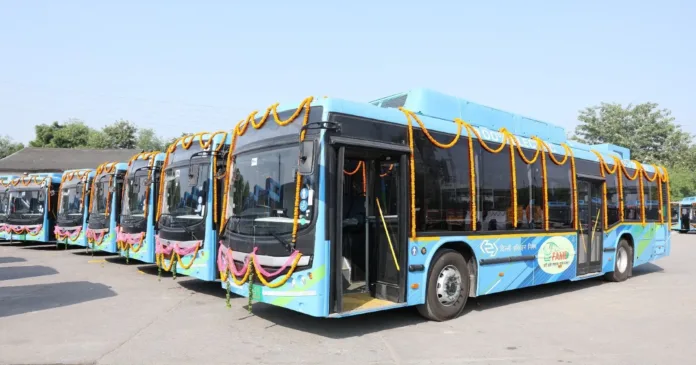

Picture this: You’re standing at Kashmere Gate Bus Terminal on a crisp Delhi morning, watching sleek electric buses glide silently into their bays. No smoke. No noise. Just the hum of progress. This isn’t a distant dream—it’s Delhi’s reality taking shape right now.
The Delhi government just announced a game-changing ₹16.99 crore investment to install EV charging infrastructure at three major Interstate Bus Terminals (ISBTs). For a city choking on pollution and traffic, this move could be the breath of fresh air we’ve been waiting for.
Table of Contents
Why This Matters to Every Delhiite
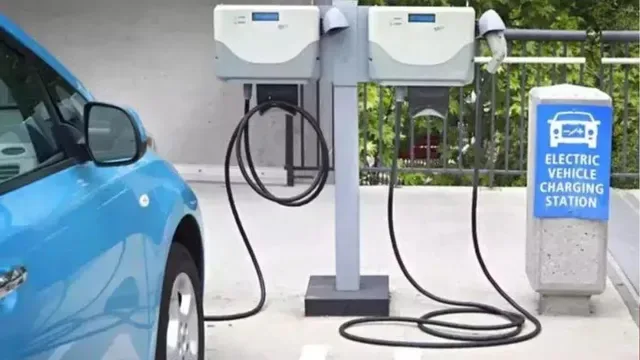
Delhi’s air quality has been making headlines for all the wrong reasons. But here’s the good news: the Delhi Transport Infrastructure Development Corporation (DTC) is transforming how we think about public transport. They’ve floated tenders to install charging stations at Kashmere Gate, Sarai Kale Khan, and Anand Vihar—the three arteries that keep Delhi connected to neighboring cities.
This isn’t just about buses. It’s about your daily commute, the air your children breathe, and the city we’ll leave for future generations.
Breaking Down the ₹16.99 Crore Investment
| Component | Specification | Impact |
|---|---|---|
| Substations | 1,600 KVA, 11KV/433V | Powers multiple buses simultaneously |
| Fast Chargers | 240KW capacity | Rapid charging during peak hours |
| Standard Chargers | 60KW capacity | Efficient overnight charging |
| Total Investment | ₹16.99 Crore | Complete charging ecosystem |
What does this technical jargon actually mean? Simple: hundreds of buses can charge at once, cutting waiting times and keeping your commute on schedule.
The Ambitious 8,000 E-Bus Vision
Here’s where things get exciting. Delhi currently operates 3,400 electric buses—already impressive. But the government plans to skyrocket this number to 8,000 by 2026. That’s not just doubling; it’s reimagining urban mobility.
The Timeline:
- Today: 3,400 e-buses running
- Coming Months: Expansion to 6,000 buses
- By 2026: Full fleet of 8,000 electric buses
Chief Minister Rekha Gupta recently flagged off interstate electric buses from Kashmere Gate to Sonipat, marking a historic moment. The Delhi-Baraut route already runs on clean electricity. Soon, every route connecting Delhi to NCR cities will follow suit.
Why These Three ISBTs?
The selection isn’t random. Each terminal serves a strategic purpose:
Kashmere Gate: Your gateway to northern destinations—Chandigarh, Haryana, Himachal Pradesh.
Sarai Kale Khan: Connects you south and east—Agra, Jaipur, and beyond.
Anand Vihar: The eastern corridor—Ghaziabad, Lucknow, and northeastern states.
By electrifying these hubs, Delhi covers every direction, every commuter, every journey.
The Technology Behind the Green Revolution
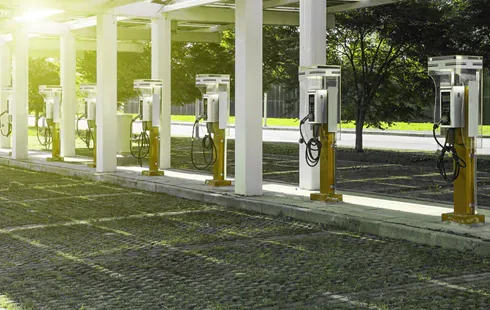
The 240KW high-capacity chargers are the real heroes here. Think of them as the espresso machines of the EV world—quick, powerful, and efficient. A bus can charge during driver breaks, eliminating lengthy downtimes that plagued earlier electric fleets.
The 1,600 KVA substations provide the muscle, ensuring that even during rush hours when multiple buses need charging, there’s never a power shortage. It’s infrastructure that thinks ahead.
What This Means for You
Cleaner Air: Each electric bus replaces a diesel guzzler, cutting carbon emissions dramatically.
Quieter Streets: Electric buses whisper past, reducing noise pollution in already chaotic terminals.
Reliable Commutes: Better infrastructure means fewer breakdowns and delays.
Economic Growth: The project creates jobs—from contractors to electricians to maintenance teams.
The Road Ahead
The tender process has begun, with only government-approved contractors eligible to bid. Civil and electrical work starts within months, ensuring quality and safety standards. The eighteen-month timeline to full electrification is ambitious but achievable.
This isn’t just Delhi’s story. It’s a blueprint for Indian cities everywhere. When the capital leads, others follow.
The Bottom Line
Delhi’s ₹16.99 crore investment in ISBT charging infrastructure isn’t about numbers on a balance sheet. It’s about a mother breathing easier knowing her child won’t grow up with asthma. It’s about the auto driver who can finally hear his own thoughts over the rumble of engines. It’s about proving that development and sustainability aren’t enemies—they’re partners.
The electric revolution isn’t coming. It’s already here, charging up at a terminal near you.

