

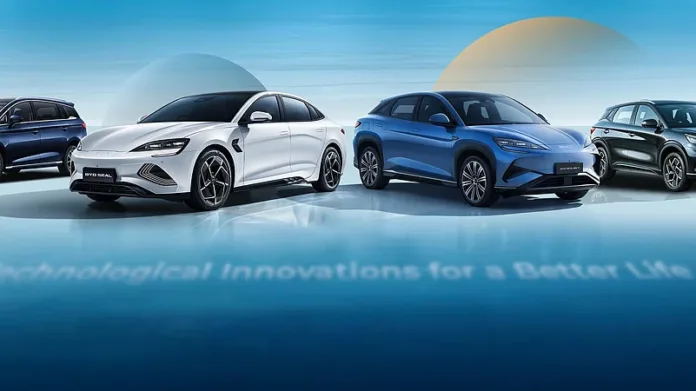

India’s electric vehicle landscape is experiencing a dramatic transformation. Chinese brands now command 33% of India’s EV market, positioning themselves as the second-largest force behind domestic manufacturers. This seismic shift comes just five years after these companies had zero presence in the Indian battery electric vehicle sector.
Table of Contents
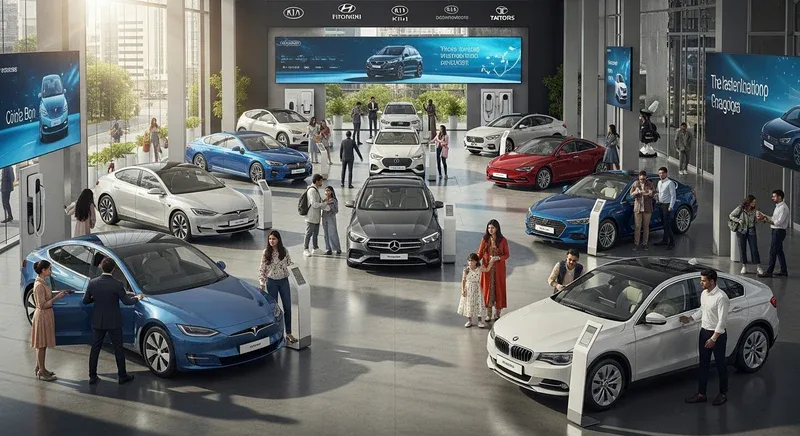
The Rise of Chinese EV Players
The numbers tell a compelling story. Chinese brands sold 57,260 EVs till October this year, compared to 101,724 sold by Indian players. Companies like BYD, MG Motor (China-owned), and Volvo (owned by China’s Geely) have rapidly climbed the ranks, surpassing established South Korean and German competitors.
What’s driving this meteoric rise? Indian consumers are voting with their wallets, attracted by superior technology, extended battery range, and enhanced reliability. These companies are gaining an advantage in adapting their vehicles to the Indian market through better coordination between their local and global operations, allowing them to introduce new models faster than many domestic players.
Tata and Mahindra: Still Leading but Under Pressure
Despite the Chinese advance, Indian manufacturers aren’t backing down. Tata Motors’ market share dropped from nearly 70% in early 2024 to 53% in 2025, signaling intense competition. However, Tata remains the market leader with its diverse portfolio spanning the Nexon EV, Tiago EV, Punch EV, and the recently launched Harrier EV.
Mahindra & Mahindra is mounting a strong comeback. Mahindra sold 2,632 EVs and registered a 343% year-on-year growth, driven by its new “Born Electric” platform vehicles—the BE 6e and XEV 9e. The company has committed ₹12,000 crore toward its EV program and plans 100,000 units of manufacturing capacity.
Market Dynamics and Key Players
| Brand | Market Position | Key Strengths |
|---|---|---|
| Tata Motors | Leader (53% share) | Largest portfolio, established network |
| MG Motor | Rising (28% share) | Competitive pricing, BaaS program |
| Mahindra | Growing (20%+ share) | New Born Electric platform |
| BYD | Niche player | Commercial fleet focus |
| Volvo | Premium segment | Luxury EV positioning |
JSW MG Motor India more than doubled its market share to 28% in 2025, thanks to innovative selling strategies like its Battery-as-a-Service (BaaS) program. This subscription model significantly reduces the upfront cost—the MG Windsor is available at ₹9.99 lakh plus a rental of ₹3.5 per kilometer.
What’s Fueling the EV Revolution?
The Indian EV market is still nascent but growing rapidly. EVs comprised only 2.5% of the 4.3 million cars sold in the country in 2024, with sales growing to a modest 4% this year. However, projections are optimistic—the market could expand from $8 billion in 2023 to over $117 billion by 2032.
Government initiatives play a crucial role. India aims for electric vehicles to represent one-third of all vehicles by 2030. Infrastructure development, particularly charging networks, is accelerating to support this ambition.
The Competitive Edge: Technology and Innovation
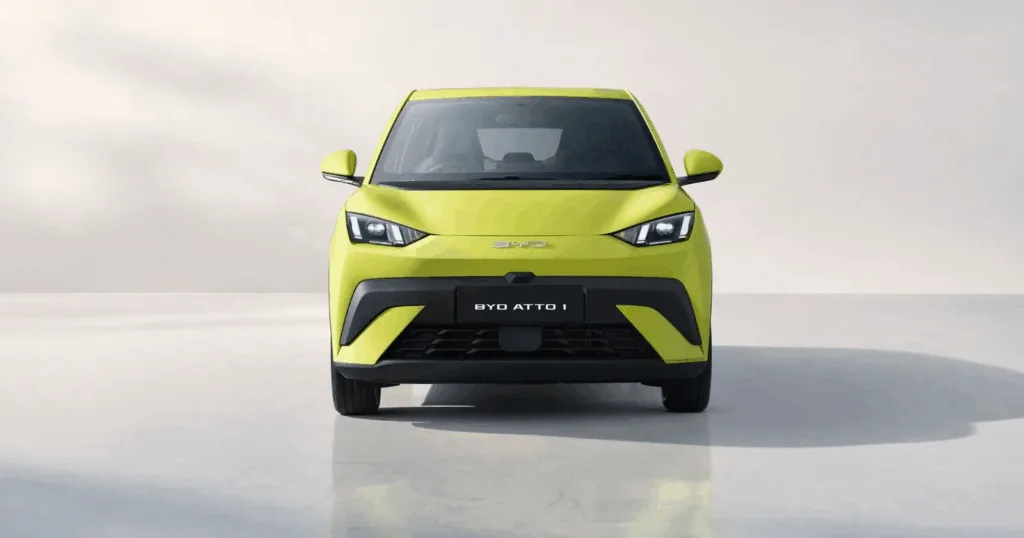
Chinese manufacturers bring cutting-edge battery technology and premium features that resonate with tech-savvy Indian buyers. Meanwhile, domestic players are leveraging local manufacturing advantages. Tata Motors is building a comprehensive ecosystem through its “Tata UniEVerse,” integrating Tata Power’s 5,500+ charging points, Tata Consultancy Services for R&D, and Tata Chemicals for battery cell development.
The coexistence of strong domestic and global brands has transformed India into a highly evolved EV market, particularly in the premium segment. This competition benefits consumers through better technology, competitive pricing, and expanded choices.
Looking Ahead: A Three-Way Battle
Additional Chinese players like Xpeng, Great Wall, and Haima are evaluating market entry, potentially intensifying competition further. The recent thaw in India-China diplomatic relations could smooth the path for these newcomers.
For Indian manufacturers, the challenge is clear: innovate rapidly while maintaining cost advantages. Tata is expanding overseas into markets like Mauritius, Sri Lanka, and Nepal. Mahindra’s aggressive capacity expansion and new product launches signal its determination to capture a larger slice of the growing pie.
The Indian EV market is at an inflection point. With government support, improving infrastructure, rising consumer awareness, and fierce competition driving innovation, the stage is set for exponential growth. The question isn’t whether EVs will dominate India’s roads—it’s who will lead the charge when they do.

