

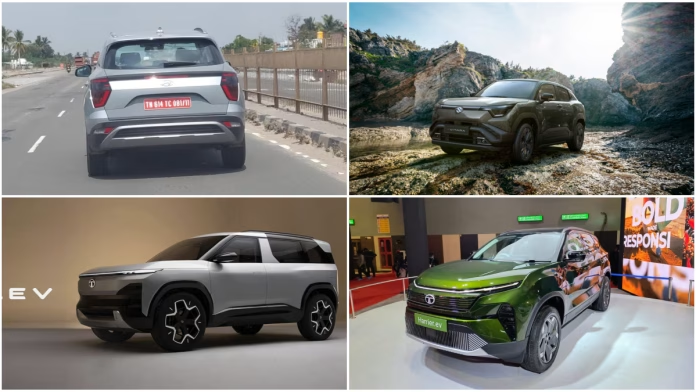

5 Most Anticipated Upcoming Electric Cars India’s electric vehicle revolution is about to hit overdrive. After years of anticipation, mass-market brands like Maruti Suzuki, Hyundai, Tata, Kia, and Toyota are finally bringing affordable EVs that promise to transform how millions of Indians commute. Whether you’re a first-time EV buyer or waiting for the perfect electric SUV, 2025 delivers options that balance range, features, and price like never before.
Table of Contents
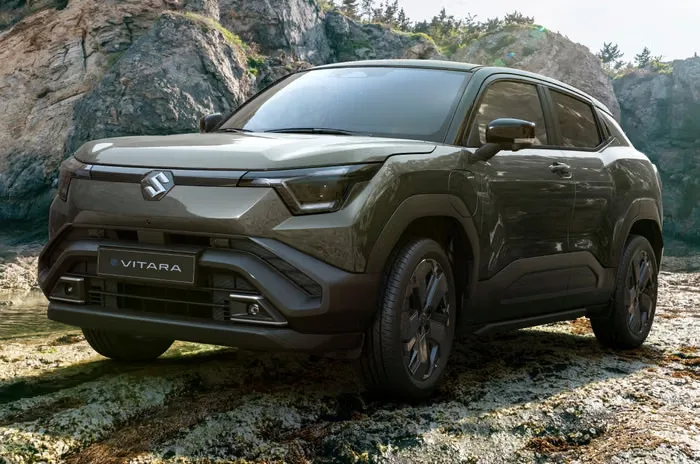
1. Maruti Suzuki e Vitara: India’s Most Awaited EV
Expected Launch: March 2025
Expected Price: ₹20-30 lakh
Range: 500+ km (MIDC)
Maruti Suzuki is finally entering the EV game, and they’re doing it with serious intent. Built on the brand-new Heartect-e platform, the e Vitara isn’t just Maruti’s first electric SUV—it’s their boldest technological leap in decades.
The e Vitara comes with two battery options: a smaller 49 kWh pack delivering 144 hp and a larger 61 kWh variant producing 174 hp. Adventure seekers can opt for the all-wheel-drive version, which adds a 65 hp rear motor for a combined output of 184 hp and 300 Nm torque.
Inside, expect dual integrated screens, wireless charging, a panoramic glass roof, 360-degree camera, and advanced driver assistance systems (ADAS). Production has already begun at Maruti’s Gujarat facility, signaling the company’s commitment to volume manufacturing and competitive pricing.
Why it matters: Maruti’s unmatched dealership network and service reputation could finally make EVs accessible to India’s middle class.
2. Hyundai Creta EV: The Family Favorite Goes Electric
Expected Launch: January 2025
Expected Price: ₹25-35 lakh
Range: 400-500 km
The Creta has dominated India’s compact SUV segment for years. Now, it’s getting an electric heart without losing its practical soul. The Creta EV retains the familiar design language with EV-specific tweaks like a closed-off grille and redesigned bumpers.
Hyundai is equipping the Creta EV with dual 10.25-inch screens, ventilated front seats, dual-zone climate control, and wireless charging—features buyers already love in the ICE version. The EV adds Level 2 ADAS and over-the-air updates, bringing connected car technology into the mainstream.
Built on Hyundai’s proven E-GMP platform, the Creta EV will offer multiple battery configurations to suit different buyer needs and budgets. The Korean automaker’s reputation for reliability combined with the Creta’s proven track record makes this one of 2025’s safest EV bets.
Why it matters: It transforms India’s best-selling SUV into an electric option without compromising the practicality that made it popular.
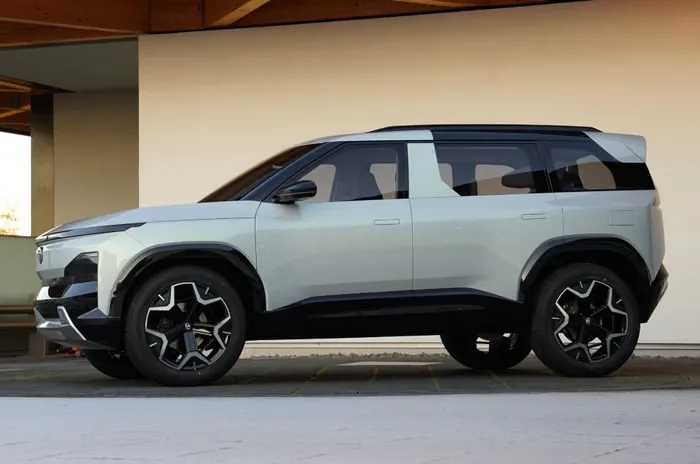
3. Tata Harrier EV: Power Meets Heritage
Expected Launch: March 2025
Expected Price: ₹21.49 lakh (base variant)
Range: 500 km (MIDC)
Tata Motors is electrifying its flagship SUV, and they’re not holding back. The Harrier EV will be Tata’s first all-wheel-drive electric vehicle, featuring dual motors—one on each axle—for enhanced performance and capability.
Built on Tata’s Acti.EV architecture (their Gen2 platform), the Harrier EV likely packs a 60 kWh battery. Visual changes include a closed grille, redesigned bumpers, and new alloy wheels, while the interior borrows elements from both the diesel Harrier and the Curvv EV.
What sets it apart? The Harrier EV offers vehicle-to-load (V2L) and vehicle-to-vehicle (V2V) charging capabilities, essentially turning your SUV into a mobile power station. Perfect for camping trips or emergency backup power.
Why it matters: It’s the first affordable electric SUV with serious off-road credentials and dual-motor AWD in India.
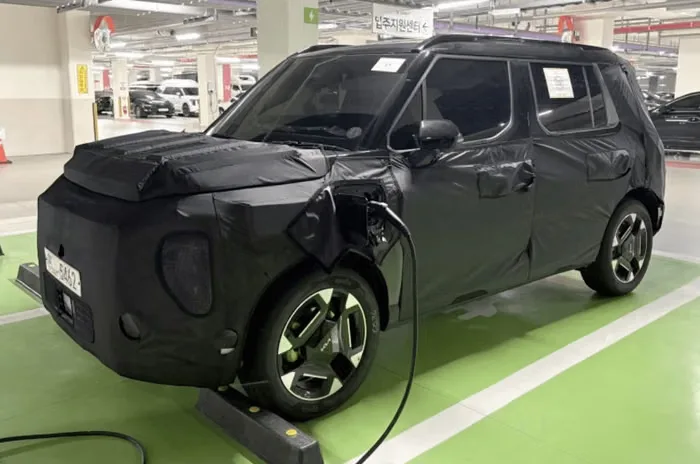
4. Kia Carens EV: India’s First Electric MPV
Expected Launch: Mid-2025
Expected Price: ₹20-25 lakh (estimated)
Range: 400-500 km
While everyone’s launching electric SUVs, Kia is taking a different route—literally. The Carens EV will be India’s first mass-market electric MPV, bringing zero-emission family transportation to the mainstream.
Based on the refreshed Carens facelift, the EV variant is expected to share its battery pack and motor setup with the Hyundai Creta EV, given both brands’ technology-sharing strategy under the Hyundai Motor Group umbrella. This means proven technology adapted for a roomier, more family-focused package.
The three-row layout offers genuine seating for six or seven, making it ideal for large families who’ve been waiting for an electric option that doesn’t compromise on space. With Kia’s reputation for loaded feature lists, expect modern infotainment, connectivity, and safety tech.
Why it matters: It fills a unique gap—electric mobility for families who need three rows without stepping into premium territory.
5. Toyota Urban Cruiser EV: Premium Reliability
Expected Launch: Mid-2025
Expected Price: ₹22-32 lakh (estimated)
Range: 500+ km
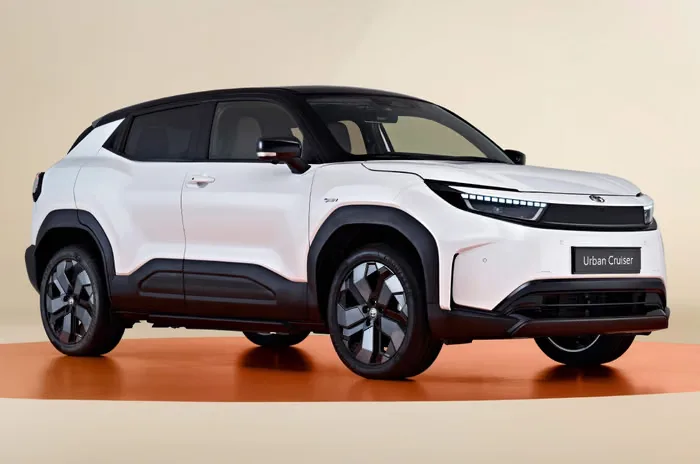
Toyota’s electric debut for India is essentially a badge-engineered Maruti e Vitara with Toyota’s premium positioning. While sharing the platform, batteries (49 kWh and 61 kWh options), and powertrains with its Suzuki sibling, the Urban Cruiser EV features distinct styling—particularly at the front and rear—and Toyota’s refined interior treatment.
The collaboration leverages Maruti’s manufacturing efficiency with Toyota’s quality reputation. Both vehicles will roll off the production line at Maruti’s Gujarat plant, but Toyota will position theirs slightly upmarket with enhanced materials and potentially additional features.
For buyers who value Toyota’s legendary reliability and resale value, this offers peace of mind in the relatively new EV segment.
Why it matters: It brings Toyota’s trust factor to India’s EV market for the first time at a semi-affordable price point.
Quick Comparison: Find Your Perfect EV
| Model | Expected Launch | Price Range | Key USP |
|---|---|---|---|
| Maruti e Vitara | March 2025 | ₹20-30 lakh | Widest service network, AWD option |
| Hyundai Creta EV | January 2025 | ₹25-35 lakh | Proven platform, feature-rich |
| Tata Harrier EV | March 2025 | ₹21-31 lakh | AWD, V2L/V2V capability |
| Kia Carens EV | Mid-2025 | ₹20-25 lakh | India’s first electric MPV |
| Toyota Urban Cruiser EV | Mid-2025 | ₹22-32 lakh | Toyota reliability, premium positioning |
What Makes 2025 Different?
This isn’t just another year of EV announcements that never materialize. Production has already begun for several models. Government initiatives supporting EV infrastructure continue expanding. Most importantly, these aren’t experimental premium vehicles—they’re practical, affordable options from brands Indians already trust.
The charging infrastructure is rapidly improving too. With networks like Tata Power, Fortum, and others expanding coverage, range anxiety is becoming less of a concern for urban and highway driving.
The Bottom Line
India’s EV market is transitioning from early adopter phase to mainstream acceptance. These five vehicles represent that shift—combining competitive pricing, credible range, and features that match or exceed their petrol-diesel counterparts.
Whether you’re drawn to Maruti’s accessibility, Hyundai’s refinement, Tata’s innovation, Kia’s unique approach, or Toyota’s reliability, 2025 finally offers electric options that don’t require compromise. The only question left is: which one matches your driving style?
The electric future isn’t coming to India—it’s already here, and it’s more exciting than ever.

