

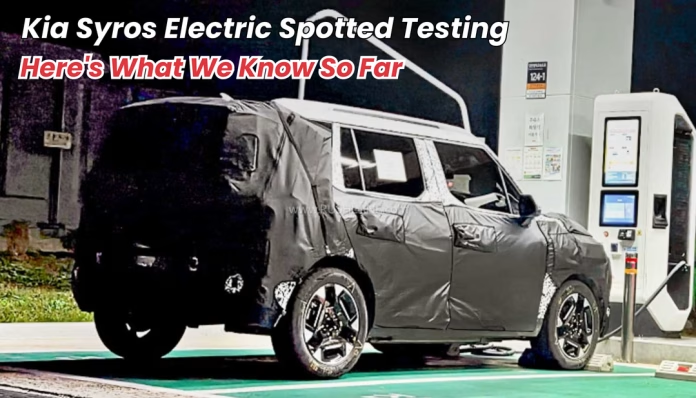

The Kia Syros started with a bang but fizzled out faster than anyone expected. From selling 5,000 units monthly to barely scraping past 1,000, something went terribly wrong. Now, spy shots show the Syros EV charging at test facilities, and the question everyone’s asking is: can an electric powertrain be the redemption arc this compact SUV desperately needs?
Let’s dive into why the ICE Syros struggled, what the EV version might fix, and whether going electric is the magic formula to win back Indian buyers.
Table of Contents
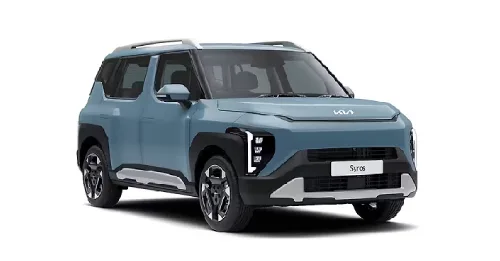
Kia Syros That Could Have Been
When Kia launched the Syros, it promised something unique—a tall-boy compact SUV that maximized cabin space without feeling cramped. And honestly, it delivered on several fronts.
What the Syros Got Right:
The cabin engineering is genuinely impressive. Despite its sub-4-meter footprint, the Syros doesn’t feel claustrophobic. The tall stance creates an airy ambiance that larger SUVs struggle to achieve. You sit upright, visibility is excellent, and the sense of space is remarkable.
The automatic transmissions deliver linear, predictable power. No sudden jerks, no annoying lag—just smooth, relaxing drives perfect for city commutes and highway cruising. For buyers prioritizing stress-free driving over thrills, this was actually a strength.
Tech lovers had plenty to appreciate too. The triple-screen cluster is responsive and intuitive. More importantly, the Syros became the only vehicle under ₹20 lakh offering rear-seat ventilation—a game-changer for India’s scorching summers.
Luggage space? Generous enough for weekend getaways and grocery runs without playing Tetris with your bags.
Where the Wheels Came Off
So why did sales collapse? The Syros suffered from an identity crisis and several execution missteps that turned potential buyers away.
The Pricing Paradox:
Kia positioned the Syros between the Sonet and Seltos, but aggressive pricing muddied the waters. When your “budget-friendly” option starts nudging Seltos territory, buyers naturally gravitate toward the proven winner. Why settle for compact when you can stretch just a bit more for size and prestige?
Design Dilemmas:
The exterior polarized opinions. The headlight placement—while unique—raised practical concerns about damage vulnerability. For India’s risk-averse buyers navigating tight parking spots and chaotic traffic, this wasn’t a trivial worry.
The overall silhouette didn’t help either. In a market where design language significantly influences purchase decisions, the Syros’ boxy appearance didn’t create the emotional connection needed to justify its price tag.
The Comfort Compromise:
Here’s the killer: the rear suspension is soft to the point of being problematic. Rear-seat passengers experience noticeable kickback, especially with a full load. In a country where family opinion heavily influences car purchases, uncomfortable rear seats can sink a deal faster than you can say “test drive.”
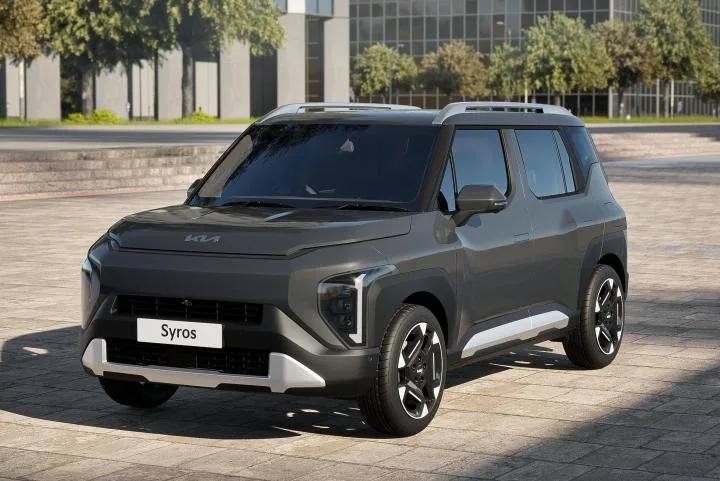
Enter the Syros EV: Redemption or Repeat?
The electric version, likely sharing its mechanical DNA with the Hyundai Inster EV, could address many of these shortcomings through smart EV-specific engineering.
Powertrain Possibilities:
Expect two battery configurations matching the Inster EV:
- 42 kWh pack: 71.1 kW power, 147 Nm torque
- 49 kWh pack: 84.5 kW power, 147 Nm torque, ~355 km range
Both will likely use proven NMC battery chemistry. Fast charging capability should deliver 10-80% charge in just 30 minutes via 120kW DC chargers—eliminating range anxiety for urban commuters.
The Suspension Solution:
Here’s where things get interesting. The underbody battery pack necessitates a stiffer suspension setup. This isn’t a compromise—it’s potentially the fix for the ICE version’s biggest weakness. Expect dramatically improved rear-seat comfort, transforming what was once a liability into a selling point.
Instant Gratification:
Electric motors deliver instant torque. Unlike the ICE Syros’ linear (read: sometimes sluggish) acceleration, the EV should feel responsive and eager from standstill. That zippy, throttle-hungry character makes city driving genuinely fun, not just tolerable.
Visual Differentiation:
EV-specific styling changes—closed grille, floating center console, distinctive badging—will create clear visual separation from the ICE model. This helps rebuild brand identity rather than simply being “Sonet’s weird sibling.”
The Competitive Landscape
| Factor | ICE Syros | Syros EV (Expected) |
|---|---|---|
| Monthly Sales | <1,000 units (current) | TBD |
| Price Positioning | Identity confusion | Clearer EV segment positioning |
| Rear Comfort | Soft, kickback issues | Improved via stiffer suspension |
| Driving Character | Linear, predictable | Instant torque, responsive |
| Range/Efficiency | Fuel-dependent | ~355 km electric range |
| Charging Time | N/A | 10-80% in 30 mins (DC) |
| Expected Launch | Already available | 2026 showcase likely |
Will the EV Strategy Work?
The million-rupee question: can going electric fix what ICE couldn’t?
The Optimistic Case:
EVs naturally command different pricing expectations. Buyers accept premium pricing for electric models, eliminating the identity crisis that plagued the ICE version. The Syros EV won’t be “overpriced for its size”—it’ll be “competitively priced for an EV.”
Fixing the suspension comfort issue addresses a deal-breaker. Combined with retained strengths like space efficiency and tech features, you’ve got a genuinely compelling package.
The growing EV infrastructure and government incentives make 2026 perfect timing. Early-mover advantage in the affordable electric compact SUV segment could establish the Syros EV as a category leader before Chinese competitors flood in.
The Realistic Challenges:
Design perception won’t magically improve with an electric motor. If buyers found the silhouette unappealing before, that hurdle remains. EV-specific styling tweaks need to be substantial, not cosmetic.
Competition is intensifying. Tata, Mahindra, and MG are expanding electric portfolios aggressively. By 2026, the Syros EV won’t be entering an open field—it’ll be fighting established players with loyal followings.
Brand perception matters. The ICE Syros’ sales collapse created negative word-of-mouth that’s hard to reverse. Kia needs an aggressive marketing reset to convince buyers this is a genuinely new product, not just the same car with a battery.
The Verdict: A Genuine Second Chance
The Syros EV isn’t just slapping an electric motor into a struggling platform. It’s addressing legitimate engineering shortcomings while leveraging EV-specific advantages. The suspension improvements alone could transform owner satisfaction. Add instant torque, lower running costs, and clearer market positioning, and you’ve got the makings of a comeback story.
But success isn’t guaranteed. Kia needs competitive pricing (₹15-20 lakh range), aggressive marketing that clearly differentiates this from the ICE failure, and perhaps subtle but meaningful design refinements that address aesthetic concerns.
If Kia plays this smart, the Syros EV could do more than just revive a nameplate—it could establish Kia as a serious affordable EV player in India’s booming electric market.
The charging cable spotted in those spy shots might just be plugged into the Syros’ second chance at success.

