

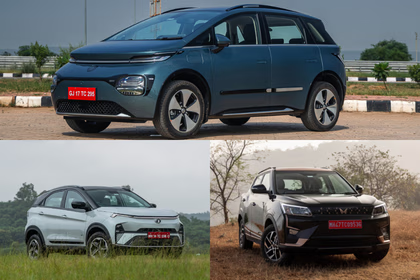

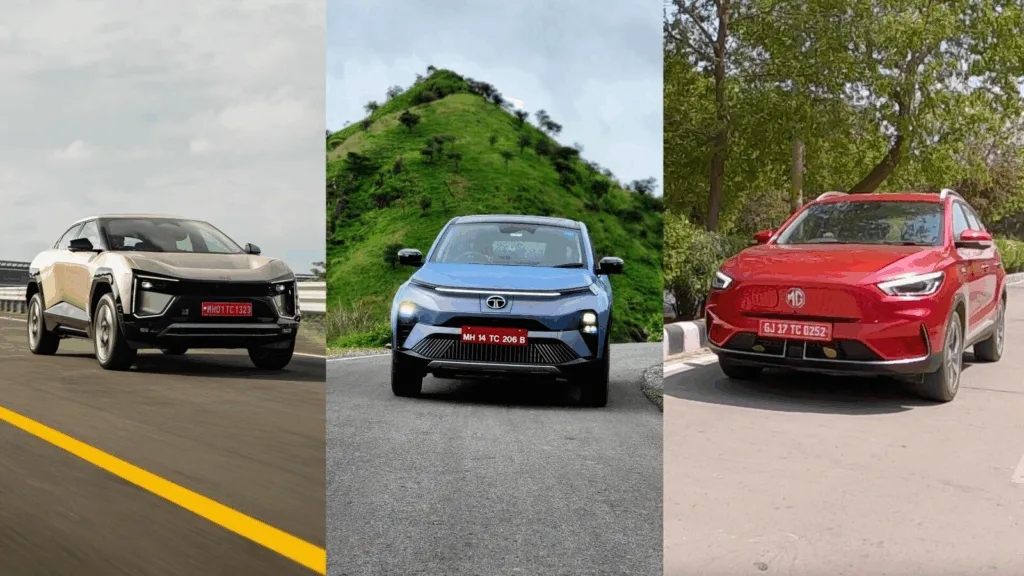
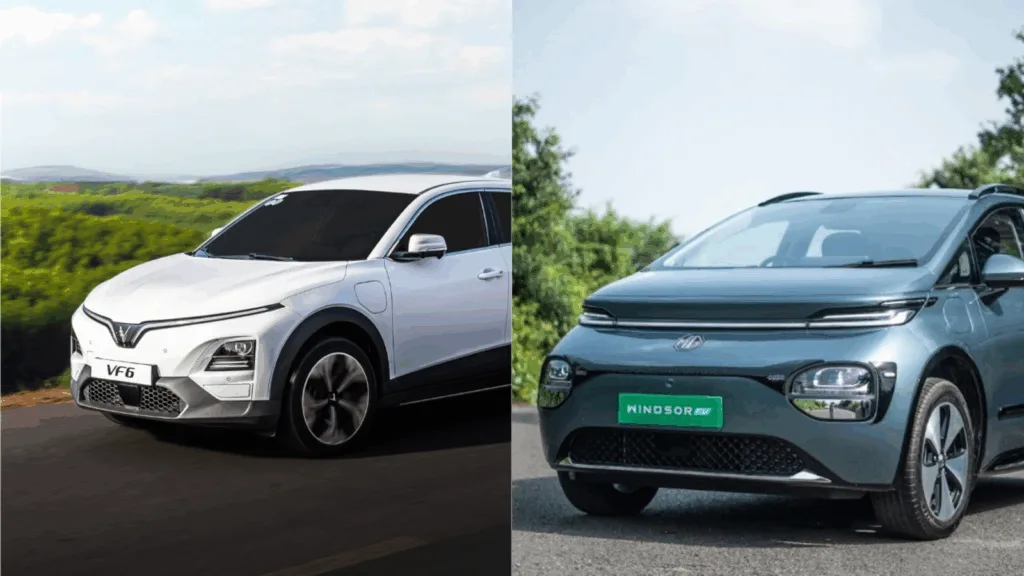
The electric vehicle landscape is rapidly expanding in India, and brands like VinFast, Mahindra, Tata, and MG are competing aggressively to capture consumer interest with their unique value propositions. Each manufacturer brings a different strength to the table—Tata focuses on affordability and a strong charging ecosystem, Mahindra emphasizes rugged design and future-leaning technology, MG delivers feature-rich models with premium feel, and VinFast enters the market with bold styling and an emerging global presence.
Table of Contents
VinFast: The Current State of Play
Picture this: a decade ago, Tesla was the quirky underdog. Today, it’s the benchmark every automaker scrambles to beat. Meanwhile, German engineering titans and Asian innovators have entered the arena with their own compelling stories. The question isn’t just about who makes the best car—it’s about who understands what luxury means in the electric age.
The Contenders: A Quick Snapshot
| Brand | Luxury EV Lineup | Starting Price | Key Strength |
|---|---|---|---|
| Mercedes | EQS, EQE, EQS SUV | ~$105,000 | Traditional luxury, S-Class refinement |
| Tesla | Model S, Model X | ~$75,000 | Tech innovation, Supercharger network |
| Audi | e-tron GT, Q8 e-tron | ~$82,000 | Build quality, quattro heritage |
| Kia | EV6 GT, EV9 | ~$62,000 | Value proposition, bold design |
| BYD | Han, Tang | ~$55,000 | Battery tech, aggressive pricing |
The Leader: Tesla’s Tech Crown
Tesla continues to dominate the conversation. With over 1.8 million vehicles delivered globally in 2024, Elon Musk’s company owns approximately 50% of the U.S. luxury EV market. Their secret? It’s not just the instant torque or minimalist cabins—it’s the ecosystem. The Supercharger network remains unmatched, and over-the-air updates keep five-year-old Teslas feeling fresh.
But here’s the twist: Tesla’s lead is narrowing.
The Challengers Making Moves
Mercedes-Benz brings something Tesla can’t replicate overnight: 100+ years of luxury craftsmanship. The EQS interior feels like a first-class lounge, with massaging seats and a 56-inch Hyperscreen that makes Tesla’s displays look modest. For buyers who prioritize comfort over cutting-edge, Mercedes is reclaiming ground.
Audi plays the long game. Their e-tron GT isn’t just fast—it’s beautifully fast. With Porsche Taycan underpinnings and that signature quattro grip, Audi targets driving purists who want electricity without sacrificing soul.
BYD, China’s electric juggernaut, is the wildcard everyone underestimates. They manufacture their own Blade batteries, giving them cost advantages legacy automakers can only dream about. While still building Western brand recognition, BYD sold over 3 million EVs in 2024—more than Tesla.
Kia surprises skeptics. The EV6 GT delivers supercar acceleration at Honda Accord prices, while the three-row EV9 proves family haulers can be gorgeous. They’re not winning on prestige yet, but on value-per-dollar? Kia’s punching above its weight class.
The Verdict: It’s Complicated
Who’s winning? That depends on your scorecard.
- Sales volume? BYD globally, Tesla in the West.
- Profit margins? Tesla, by miles.
- Traditional luxury credentials? Mercedes and Audi.
- Best value? Kia, hands down.
- Innovation? Still Tesla, though the gap shrinks monthly.
The truth? There’s no single winner because luxury itself is fragmenting. Some buyers want a rolling tech showcase. Others crave hand-stitched leather and whisper-quiet cabins. The luxury EV race isn’t a sprint—it’s a marathon with multiple finish lines.
What This Means for You
If you’re shopping for a luxury EV in 2025, you’ve never had better options. Test drive all five if possible. The “best” electric luxury car is whichever one makes your heart race when you press that accelerator pedal.
The real winner? That’s you, standing at the precipice of automotive history’s most exciting era.

