

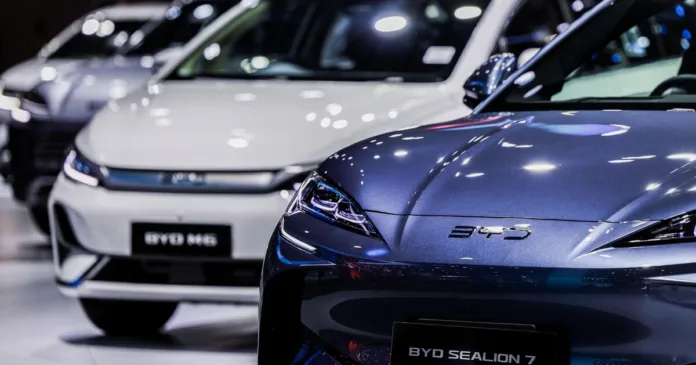

India’s BYD Cars electric vehicle revolution is about to get a serious jolt—and it’s coming from China. BYD, the world’s largest EV manufacturer, is eyeing India with a lineup of affordable electric cars that could completely reshape the market. If you’ve been waiting for EVs to become genuinely affordable, your patience might finally pay off.
Table of Contents
Why BYD Cars Could Be India’s EV Game-Changer
Imagine buying an electric SUV for the price of a mid-range petrol sedan. Sounds impossible? That’s exactly what BYD is planning. While Tesla grabs headlines and Tata dominates the affordable segment, BYD quietly sold over 3 million EVs globally in 2024—more than any other manufacturer. Now, they’re bringing their most wallet-friendly models to Indian shores.
The secret weapon? BYD manufactures its own batteries, which typically account for 40% of an EV’s cost. This vertical integration lets them undercut competitors while still turning healthy profits.
The Cheapest BYD Models Coming to India
| Model | Expected Price (₹) | Range (km) | Key Features | Target Segment |
|---|---|---|---|---|
| BYD Seagull | ₹8-10 lakhs | 305-405 | Compact hatchback, city-friendly | Maruti Alto/Wagon R rival |
| BYD Dolphin | ₹12-15 lakhs | 340-427 | Sporty design, premium interiors | Hyundai i20/Honda City competitor |
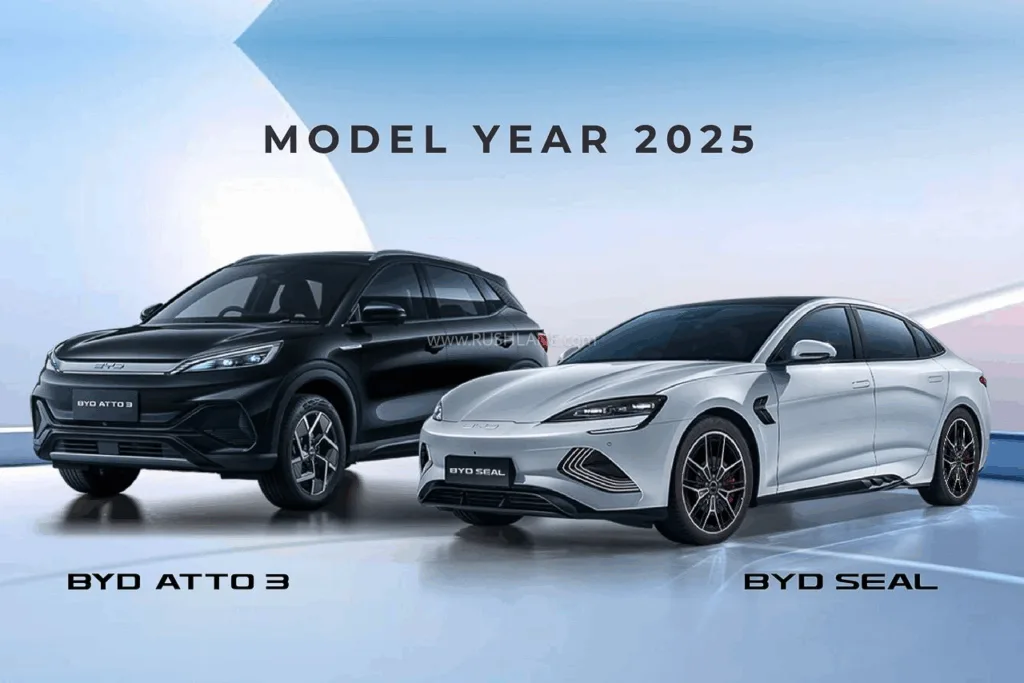
| BYD Atto 3 | ₹25-30 lakhs | 521 | Already launched, proven platform | Creta/Seltos alternative |
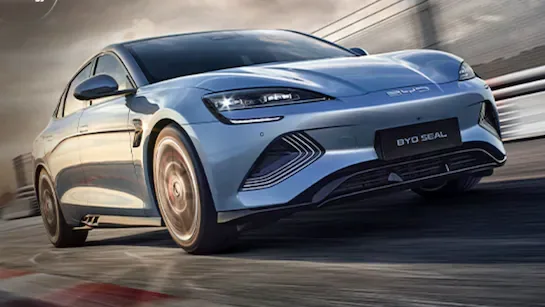
| BYD Seal | ₹35-40 lakhs | 570-700 | Sedan, Tesla Model 3 rival | Premium executive segment |
The BYD Seagull: India’s Most Anticipated Budget EV
Let’s talk about the elephant—or should I say, seagull—in the room. The BYD Seagull could be the most disruptive car launch India has seen in a decade.
In China, it sells for approximately ₹7 lakhs (converted), making it cheaper than most petrol hatchbacks. Even with import duties and localization costs, if BYD prices it under ₹10 lakhs in India, they’ll create a tsunami in the entry-level segment.
Picture this: a stylish, tech-loaded hatchback with a 305km range—perfect for daily commutes—at a price point where most Indians currently buy outdated petrol engines. The Seagull features a rotating touchscreen, LED lighting, and BYD’s legendary Blade Battery technology that’s safer and longer-lasting than conventional lithium-ion packs.
BYD Dolphin: The Sweet Spot for Middle India
The Dolphin targets India’s vast middle class—families upgrading from compact sedans and premium hatchbacks. Priced competitively against the Honda City and Hyundai Verna, the Dolphin offers something those cars can’t: zero tailpipe emissions and charging costs that are 75% cheaper than petrol.
With 340-427km range options, it eliminates range anxiety for urban and suburban buyers. The interior rivals cars costing ₹5-7 lakhs more, featuring ambient lighting, panoramic sunroof options, and a minimalist dashboard that feels decidedly premium.
Why This Matters for Indian Buyers
Here’s the harsh truth: India’s EV adoption has been sluggish because affordable options have meant compromise. Tata’s offerings are functional but basic. MG and Hyundai’s EVs are excellent but expensive. BYD bridges that gap.
Three reasons BYD could dominate:
- Price-to-value ratio: More features per rupee than any competitor
- Proven technology: Over 20 years of battery expertise, not rushing into EVs
- Manufacturing scale: Global volumes mean economies of scale Indian brands can’t match
The Challenges Ahead
Let’s be realistic. BYD faces hurdles. India-China tensions could spark consumer hesitation. Charging infrastructure remains patchy outside metros. Service network establishment takes time.
But here’s the counter-argument: Indian buyers are pragmatic. If BYD delivers superior value and backs it with solid warranties (they’re offering 8-year/1.5 lakh km battery guarantees elsewhere), nationalism might take a backseat to economics.
The Bottom Line
BYD’s cheapest cars aren’t just products—they’re potential market disruptors. If the Seagull launches under ₹10 lakhs and the Dolphin around ₹13 lakhs, expect established automakers to panic.
For Indian consumers tired of paying premium prices for outdated technology, BYD’s arrival could be the catalyst that finally makes electric mobility accessible to millions, not just thousands.
The Indian EV market is about to catch fire. The question isn’t if, but when.

