

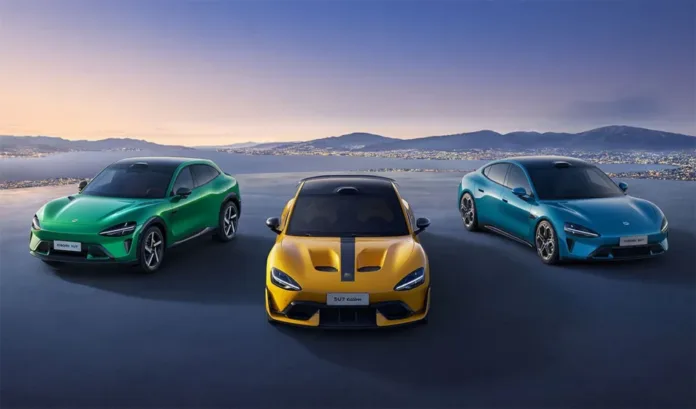

Remember when Tesla was the only name in electric vehicles? Those days are long gone. In China’s cutthroat EV battleground, homegrown champions XPeng and Nio just dropped their October 2024 numbers—and they’re absolutely crushing it.
While Western headlines obsess over Tesla’s declining market share, these Chinese underdogs are quietly rewriting the rulebook on electric mobility. Let’s dive into the numbers that have Wall Street sitting up and taking notice.
Table of Contents

The October 2024 EV Sales Explosion
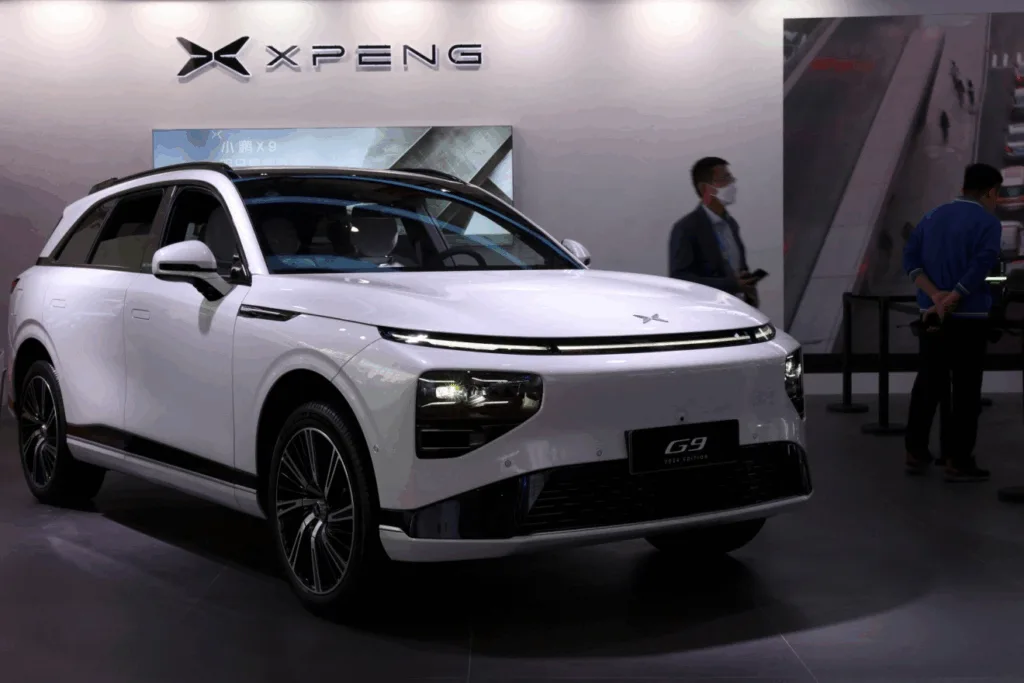
October wasn’t just another month in China’s EV market—it was a statement. XPeng handed 23,917 EVs to mainland customers in October, rewriting its sales record for the second straight month as deliveries beat September’s by 12 per cent. Meanwhile, Nio scored 20,976 sales in October, an increase of 30.5% over October 2023.
But here’s the kicker: These aren’t legacy automakers with decades of manufacturing muscle. XPeng was founded in 2014. Nio launched in 2014. And they’re already delivering numbers that rival established brands’ best years.
Breaking Down the Numbers: XPeng vs Nio
| Company | October 2024 Sales | YoY Growth | Year-to-Date 2024 | Key Achievement |
|---|---|---|---|---|
| XPeng | 23,917 vehicles | +20% (vs Oct 2023) | 122,478 vehicles | Mona M03: 10,000+ units |
| Nio | 20,976 vehicles | +30.5% (vs Oct 2023) | 170,257 vehicles | ONVO brand launch |
| Leapmotor | 38,177 vehicles | +100%+ (doubled YoY) | N/A | Stellantis partnership |
| BYD | 502,757 vehicles | +66.5% (vs Oct 2023) | N/A | Fifth consecutive record |
XPeng’s Secret Weapon: The Mona M03
Xpeng sold 23,917 vehicles and over 10,000 Mona M03s—the new electric saloon achieved five-digit sales figures for the second month in a row.
Think about that. A single model—launched just months ago—is already pulling in five-figure monthly sales. The Mona M03 isn’t just a car; it’s XPeng’s masterstroke in the affordability wars. While competitors chase premium margins, XPeng went after volume with an entry-level sedan that doesn’t compromise on tech.
The company’s autonomous driving system, XNGP, boasts an impressive 86% monthly active user penetration rate in urban driving—meaning most XPeng owners are actually using the advanced tech they paid for, not just bragging about it.
Nio’s Multi-Brand Strategy: Genius or Desperation?
Nio had 16,657 of the month’s sales, while ONVO had 4,319 sales. The ONVO brand launched in September 2024, and it’s already contributing nearly 20% of Nio’s monthly volume.
Some critics call this brand fragmentation. I call it smart segmentation. ONVO is Nio’s “family-oriented smart electric vehicle brand”, targeting a different demographic than the premium Nio marque. By October 31, ONVO operated 166 ONVO Centers and ONVO Spaces across 60 cities, while also providing users with seamless access to 584 NIO Power Swap Stations in China.
This isn’t just about selling cars—it’s about building ecosystems. Nio’s battery swap technology gives it a unique competitive advantage, turning range anxiety into a 5-minute pit stop.
The Bigger Picture: China’s EV Dominance
Here’s what should terrify legacy automakers: 1.43 million New Energy Vehicles were sold in China in October, with 46.8 per cent of new cars being NEVs. Just a year ago, that figure was 33.5%.
Let that sink in. Nearly half of all new cars sold in China are now electric or plug-in hybrid. This isn’t a trend—it’s a wholesale market transformation happening in real-time.
Who’s Really Winning?
While XPeng and Nio grab headlines, BYD sold 502,757 pure-electric and hybrid EVs in October, up 66.5% year on year, marking the fifth consecutive monthly record for the Shenzhen-based company. Warren Buffett’s bet on BYD is looking smarter by the month.
Even newcomer Xiaomi—yes, the smartphone maker—delivered “over 20,000 vehicles” in October, having only been delivering cars for seven months. It took XPeng and Nio years to reach 20,000 monthly deliveries. Xiaomi did it in its first year.
What This Means for Global Auto Markets
For Investors
Chinese EV stocks remain volatile, but the underlying fundamentals are solid. Nio is at an annual sales rate of 251,712, more than Tesla’s 2018 total (244,920 sales)—and recall that 2018 was the year Tesla finally turned profitable.
For Consumers
Competition drives innovation. XPeng’s AI-driven autonomous driving, Nio’s battery swap stations, and the price war sparked by newcomers like the Mona M03 all benefit consumers worldwide as these technologies eventually go global.
For Traditional Automakers
The writing’s on the wall. China has 65% of the global EV market—and growing. The EV transition is a Chinese-driven transition, dominated by Chinese manufacturers.
European and American automakers dismissed Chinese competitors as copycats a decade ago. Today, they’re scrambling to catch up on software, batteries, and autonomous tech—areas where Chinese brands lead.
Technology Race: Beyond Just Hardware
XPeng isn’t resting on its laurels. The company has become the only Chinese automaker to deliver industry-leading urban ADAS that does not rely on HD maps or LiDARs, providing the most competitive cost in China and accelerating the mass adoption of autonomous driving.
Translation? XPeng’s self-driving technology works without expensive sensors or pre-mapped roads. That’s a game-changer for scalability and cost.
The Road Ahead: What’s Coming in 2025?
Both companies are expanding aggressively:
- XPeng entered the UAE market in October and has expanded to 54 countries globally
- Nio is pushing ONVO expansion and already operates battery swap stations internationally
- Both are eyeing European markets despite new EU tariffs
The question isn’t whether Chinese EVs will dominate globally—it’s when.
Conclusion: The EV Revolution Is Chinese
Tesla opened the door. Chinese manufacturers are walking through it—and they’re not looking back.
October 2024’s record numbers aren’t flukes. They’re proof that when you combine aggressive R&D investment, government support, massive domestic markets, and companies willing to play the long game, you create an unstoppable momentum.
For XPeng and Nio, the journey from startup to serious contender took less than a decade. The next decade? They’re aiming to become global household names.
Are you ready to see Chinese EV brands dominate your local market? Drop your thoughts in the comments below!

