

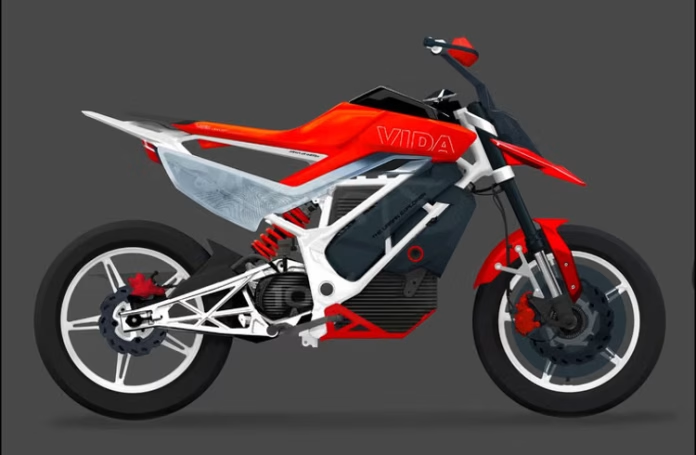

Hero Vida Novus, India’s motorcycle giant just did something nobody expected: Hero MotoCorp unveiled a four-wheeler electric vehicle. Not a scooter upgrade, not another bike variant—an actual micro car that could change how millions of Indians think about personal transportation.
Table of Contents
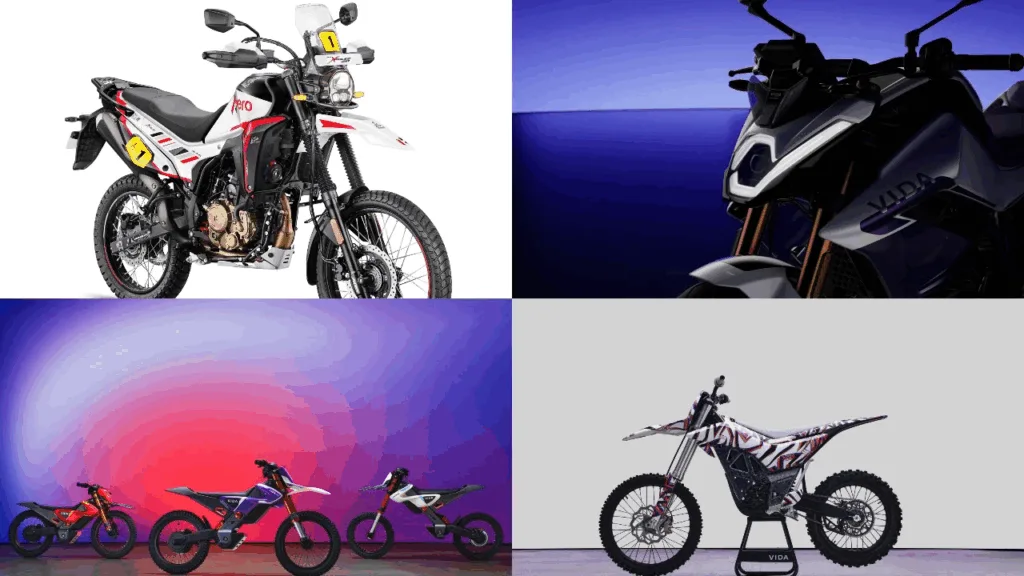
Hero Vida Novus :Meet the Game-Changer VIDA
At EICMA 2025 in Milan, Hero MotoCorp Executive Chairman Pawan Munjal revealed the NEX 3, describing it as an all-weather personal EV offering the safety and comfort of four wheels in an elegant and versatile form for both urban and rural journeys. This isn’t just another vehicle—it’s Hero’s bold statement about the future of Indian mobility.
| Specification | Details |
|---|---|
| Vehicle Type | Micro Electric Four-Wheeler |
| Seating | Tandem (Front & Back) – 2 Seats |
| Brand Range | VIDA Novus |
| Target Market | Urban & Rural India |
| Launch Platform | EICMA 2025, Milan |
Why “Novus” Changes Everything
“Novus symbolizes renewal and reinvention, reimagining how the world will move, shaping a future that’s inspiring, intelligent and inclusive,” Munjal explained. The name isn’t marketing fluff—it represents Hero’s complete pivot from being just a two-wheeler manufacturer to becoming a comprehensive mobility solutions provider.
Think about it: Hero has dominated Indian roads for decades with bikes and scooters. Now they’re asking a provocative question: What if we could give you four-wheel stability at two-wheeler convenience?
The Tandem Design Philosophy
Here’s what makes the NEX 3 fascinating: it features tandem seating—one person sits behind the other, not side-by-side. This design choice is brilliant for three reasons:
First, it keeps the vehicle narrow enough to navigate congested Indian streets where even cars struggle to pass.
Second, it maintains four-wheel stability that scooters simply cannot offer, especially during monsoons when roads become skating rinks.
Third, it creates an intimate, motorcycle-like experience while delivering car-like protection from weather and traffic.
The Complete VIDA Novus Ecosystem
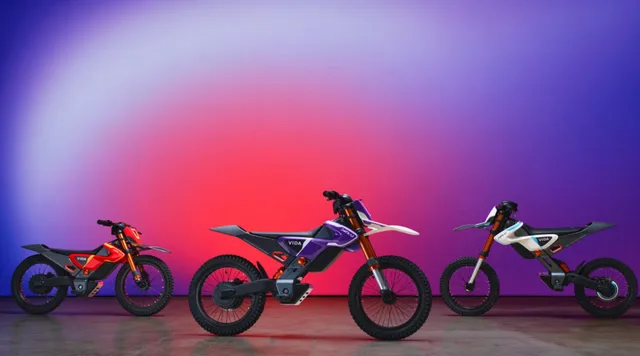
The NEX 3 isn’t arriving alone. Hero unveiled the entire VIDA Novus portfolio, including NEX 1 (a portable, wearable micro mobility device) and NEX 2 (an electric trike). This isn’t a single product launch—it’s an entire mobility ecosystem designed for different needs:
- NEX 1: Personal micro-mobility for last-mile connectivity
- NEX 2: Three-wheel cargo and passenger transport
- NEX 3: Four-wheel personal commuter vehicle
Each addresses specific pain points in Indian transportation, from walking to the metro station to rural inter-village travel.
What Makes This Different from Cars?
The NEX 3 occupies a unique space between scooters and cars. Here’s how it compares:
| Feature | Traditional Scooter | NEX 3 | Compact Car |
|---|---|---|---|
| Weather Protection | Minimal | Complete | Complete |
| Parking Space | Very Small | Small | Large |
| Stability | 2-Wheel | 4-Wheel | 4-Wheel |
| Maneuverability | Excellent | Very Good | Limited |
| Running Cost | Low | Very Low (EV) | Moderate |
The NEX 3 cherry-picks the best attributes from both worlds while minimizing their weaknesses.
The Rural-Urban Opportunity
Munjal specifically mentioned the vehicle’s suitability for both urban and rural journeys—and that’s the masterstroke. Rural India has terrible public transport but growing purchasing power. A compact, affordable EV that protects families from heat, rain, and dust while navigating narrow village roads? That’s a market waiting to explode.
Urban buyers, meanwhile, face parking nightmares and traffic chaos. The NEX 3’s compact footprint solves both problems while delivering zero-emission commuting.
Hero’s EV Vision: Beyond Motorcycles
Hero’s new VIDA Novus portfolio embodies the company’s vision for mobility that’s intelligent, sustainable, and seamlessly integrated into everyday life. This isn’t about selling vehicles—it’s about reimagining transportation infrastructure.
The company also announced:
- European launch of the VIDA VX2 urban scooter
- Showcase of VIDA Concept Ubex (first global electric motorcycle) and VIDA Project VxZ (developed with Zero Motorcycles USA)
Hero is simultaneously targeting developed European markets and developing Indian needs—a global-local strategy that few automakers execute successfully.
The Pricing Question Nobody’s Answering
Here’s the elephant in the showroom: Hero hasn’t revealed pricing yet. And that’s the make-or-break factor.
If the NEX 3 costs ₹3-4 lakh, it competes directly with entry-level cars and will struggle. But if Hero prices it between ₹1.5-2.5 lakh—bridging the gap between premium scooters and budget cars—it could create an entirely new vehicle category in India.
What This Means for Indian Roads
Imagine this scenario: Instead of buying a second scooter for your spouse, you buy one NEX 3 for the family. School runs, grocery shopping, doctor visits—all done with four-wheel safety and weather protection at EV operating costs.
For delivery fleets, the NEX 3 could replace both three-wheelers and small vans, offering better cargo protection than autos and lower costs than commercial vehicles.
The Bottom Line
Hero MotoCorp just threw down the gauntlet in India’s EV race—not with another bike or scooter, but with a completely reimagined mobility solution. The NEX 3 four-wheeler challenges our assumptions about what personal transportation should look like.
Whether it succeeds depends on pricing, range, and infrastructure—but one thing’s certain: Hero isn’t content being just the motorcycle king anymore. They’re betting big on becoming India’s complete mobility partner, and the Novus NEX 3 is their opening move in a game nobody else saw coming.

