


FAME-II , India has big EV dreams, and the numbers show it. Under the second phase of the government’s Faster Adoption and Manufacturing of Hybrid & Electric Vehicles (FAME‑II) scheme, over 16.29 lakh electric vehicles have been supported as of June 30 2025, including 14.35 lakh electric two-wheelers, 1.65 lakh three-wheelers, 22,644 four-wheelers and 5,165 electric buses . That’s a massive jump from just a few years ago and signals that FAME‑II is doing its job.
Table of Contents
FAME-II Milestones and Charging Infrastructure
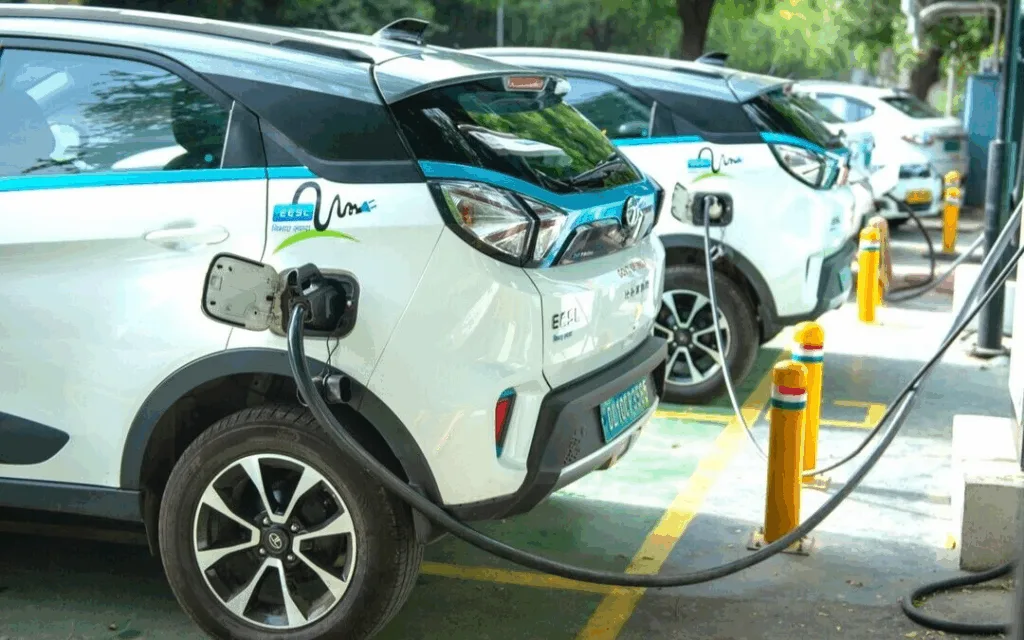
But a thriving EV ecosystem needs charging points to match. The same report notes that 8,885 EV public charging stations have been installed out of 9,332 sanctioned under various central subsidies, backed by ₹912.5 crore in funding . States have pitched in too: Karnataka offers a 25 % capital subsidy for chargers, Maharashtra incentivises high‑capacity chargers and mandates stations every 25 km on highways, Tamil Nadu supports both charging and battery‑swap stations, while Delhi requires chargers every 3 km in urban areas . At the national level, highways agencies plan chargers every 20–60 km and rest‑area hubs across 700 sites by FY 2028‑29.
The Not‑So‑Rosy Reality
Despite these headline numbers, the ground reality is still catching up. Of the roughly 30,000 public charging stations claimed by various agencies, only about 14,450 are operational, and just 3,034 see high utilisation. Most chargers are in cities, leaving rural and highway corridors underserved, and long charging times and maintenance issues put off would‑be EV adopters . That’s why home chargers (check out our step‑by‑step installation guide) and workplace charging are still critical to the equation.
Why It Matters
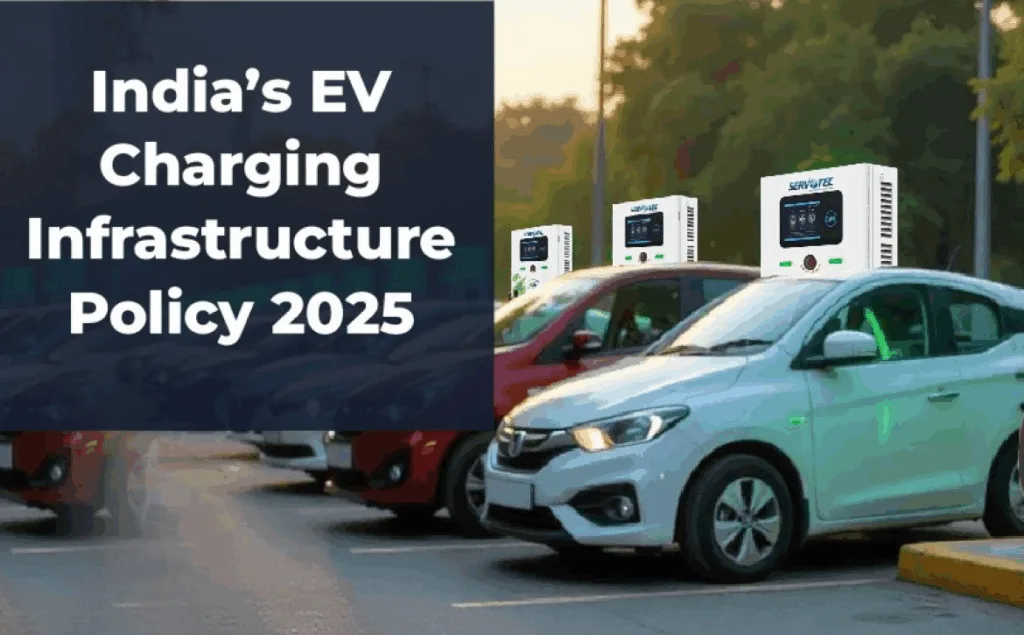
A robust charging network is the backbone of India’s EV mission. With EV sales expected to explode over the next decade, policymakers must ensure that infrastructure growth matches vehicle adoption. FAME‑II incentives have clearly boosted sales, but the next frontier is reliability and accessibility. Transparent monitoring, faster permits and incentives for private operators can help turn sanctioned stations into functioning ones, especially outside major metros.
As India moves toward its goal of 30 % EV sales by 2030, the focus should be on quality as well as quantity. An EV revolution built on patchy infrastructure risks stalling. For more context on how the market is growing, read our piece on EV sales doubling this year.

