

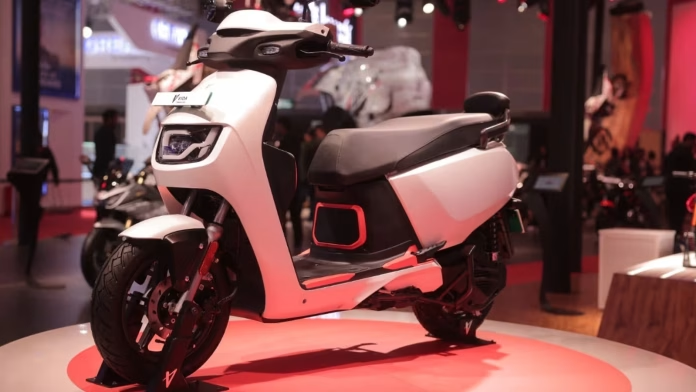

Electric scooters are transforming Indian city commutes, offering clean, affordable mobility. With dozens of models hitting the market in 2025, picking the right one can feel like navigating a showroom on wheels. To make the process easier, here’s a straightforward guide for riders in Delhi, Mumbai, and beyond.
Table of Contents
How to Choose the Right Electric Scooter: Key Factors to Consider
Purpose of purchase: Decide whether you need the scooter for daily office commuting, quick neighborhood errands, or delivery work. As a recent guide notes, commuters may prioritize long battery range and fast charging, students may look for a lightweight and budget‑friendly ride, and delivery professionals need strong build quality and higher payload capacity (Key Factors to Consider When Buying an Electric Scooter in …).
Battery type and capacity: The battery determines range and longevity. Most Indian e‑scooters use lithium‑ion batteries, which are lighter, durable, and charge quickly, while some cheaper models still use lead‑acid packs. Lithium‑ion is recommended for its fast charging and long life; lead‑acid options are heavier, slower to charge, and deliver only around 30–60 km per charge (Key Factors to Consider When Buying an Electric Scooter in …). Check the kilowatt hour (kWh) rating — higher capacity means longer range.
Range and charging time: Match the EV’s claimed range with your daily commute. Many urban scooters offer 60‑180 km per charge, but real‑world range depends on riding style and traffic. Also look at charging time: fast‑charging models can add 50 km in under an hour, while budget scooters may need 4‑6 hours for a full top‑up.
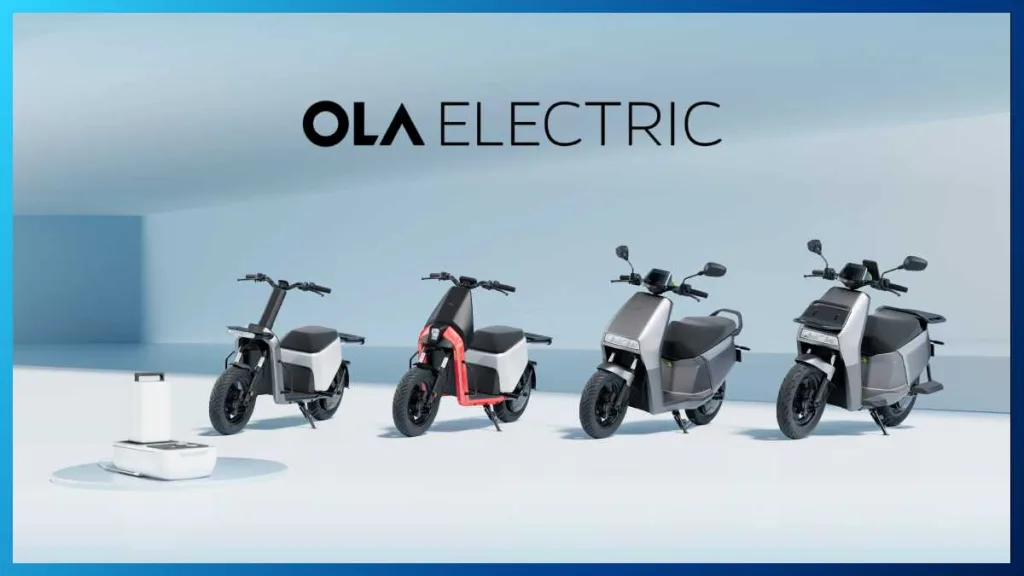
Price and value: Prices for mainstream electric scooters range from ₹50,000 to over ₹1.5 lakh. Higher-end models like the Ola S1 Pro pack long range and advanced features, while budget options like the Yulu Wynn or Komaki X One prioritize affordability. Factor in government subsidies and lower running costs (electricity costs about 25‑40 paise per km) when comparing sticker prices.
Build quality and safety: Look for disc brakes, bright LED lighting, and sturdy metal or high‑quality plastic bodies that can handle India’s potholes. IP67 weather resistance and removable batteries are a bonus. Don’t forget warranty coverage on the battery and motor.
Once you’ve shortlisted a few models, take test rides to feel the acceleration, braking, and ride comfort. And if you’re planning to charge at home, check out our guide on installing an EV charger at home for tips on wiring and permits.

