



Installing an electric vehicle charger at home turns every night into a full tank of electrons. But before you order the first wallbox you find online, it’s worth understanding what you need and what the process entails.
EV chargers come in two primary flavors: Level 1 (standard 120V plug) and Level 2 (240V). Level 1 chargers are slow but work with existing outlets, while Level 2 units offer much faster charging but require a dedicated circuit. Your driving habits, vehicle specs, and budget will determine which option suits you best.
Table of Contents
Steps to Install Your Home EV Charger
Evaluate your electrical system: Before buying hardware, check whether your main electrical panel can handle the extra load. Level 2 chargers often need a 40‑amp circuit, so consult a licensed electrician to assess capacity and recommend upgrades if needed.
Choose the right charger: Ensure compatibility with your EV (most use SAE J1772), match the charger’s power output to your vehicle, and consider smart features like Wi‑Fi connectivity for scheduling and energy monitoring. Weather resistance is important if you plan to install outdoors.
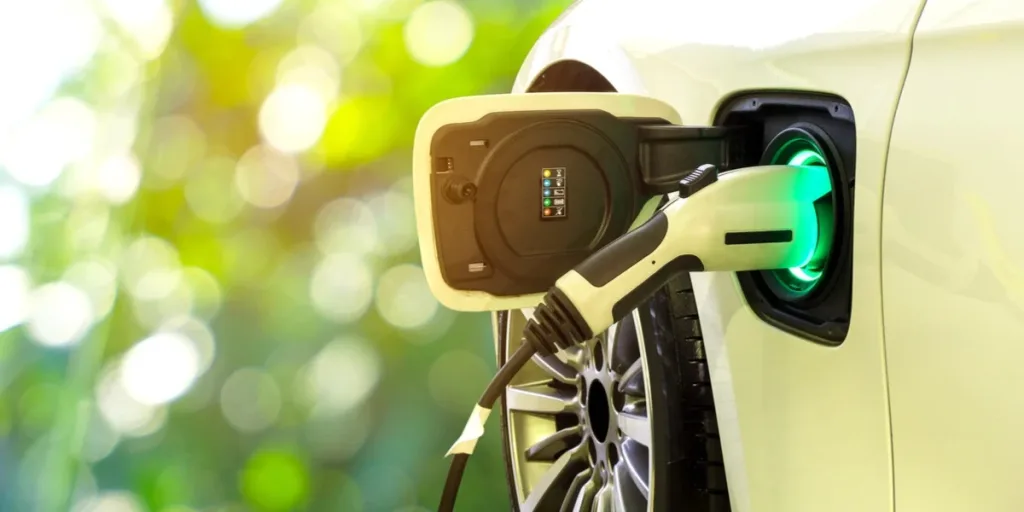
Obtain permits: Many municipalities require an electrical permit for Level 2 installations. File the application with your local building department, adhere to local codes, and schedule an inspection once the work is done.
Hire a licensed electrician: A professional will add a dedicated 240V circuit, mount the charger securely, and test the system to ensure safe operation.
Prepare the installation site: Decide whether the charger will live in your garage or outdoors. Make sure the mounting surface is sturdy and the unit is close enough to your parking spot to avoid awkward cable runs.
Install and test: Mount the EV Charger, connect it to your electrical panel with proper grounding, and test by plugging in your EV to verify everything works as expected.
Set up and configure: If your charger is smart, download the manufacturer’s app, connect the unit to Wi‑Fi, and explore features like scheduled charging and energy tracking.
Start charging and maintain: Plug in your car, monitor charging sessions, and optimize for off‑peak electricity rates. Clean the charger regularly, inspect cables for wear, and keep software up to date so your home charging stays safe and efficient.
Home charging is straightforward once you understand the steps. With the right equipment and professional help, you can enjoy the convenience of waking up to a fully charged EV every day. For more ways to make electric mobility affordable, check out our EV financing guide.

