

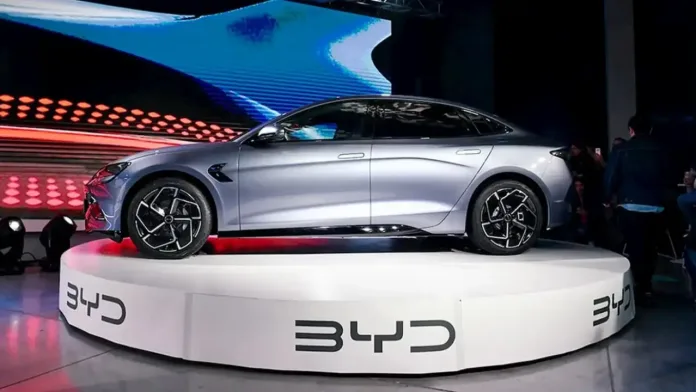

After fifteen years of aggressive support, China has done the unthinkable: it removed electric vehicles from its list of strategic industries. For the first time since 2009, EVs won’t receive top-tier priority in Beijing’s upcoming Five-Year Development Plan for 2026–2030. This isn’t just a policy tweak—it’s a seismic shift that could reshape the global EV landscape.
Table of Contents
The End of an Era
Think about this: China transformed itself from an automotive afterthought into the world’s EV powerhouse in just over a decade. Through massive subsidies, tax breaks, and infrastructure investments, Beijing turned new energy vehicles into a national obsession. Today, China produces more than half of the world’s electric vehicles.
But according to Xinhua News Agency’s summary of the 15th Five-Year Plan, those glory days are over. China is now betting big on quantum computing, bio-manufacturing, hydrogen energy, and nuclear fusion. EVs got demoted from strategic industry to just another consumer product.
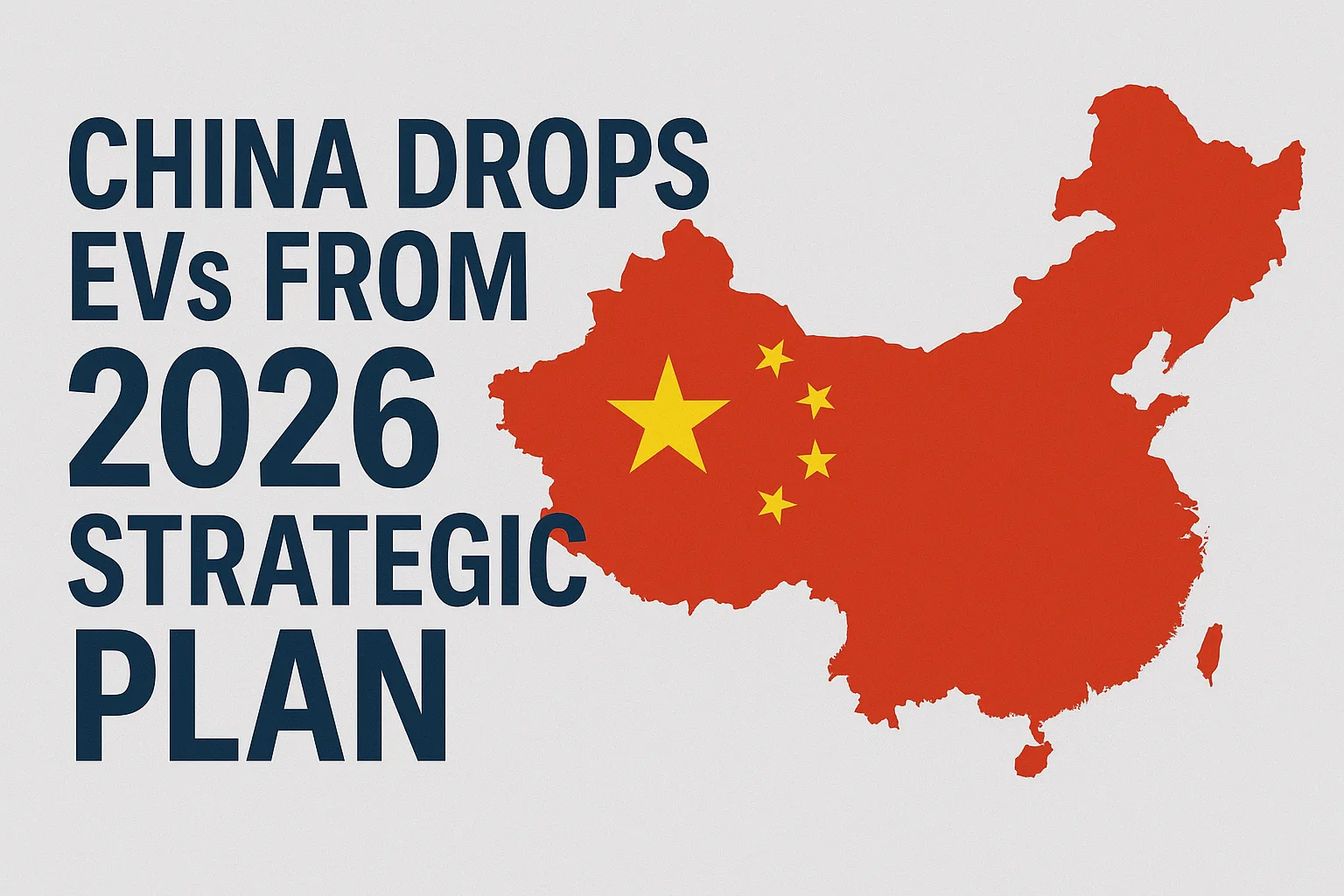
Why the Sudden Change?
The answer is uncomfortable but clear: China’s EV market is drowning in its own success.
The Oversupply Crisis
Picture over 100 domestic EV manufacturers battling for survival in an increasingly saturated market. That’s the reality facing China today. What started as ambitious industrial policy has morphed into a chaotic free-for-all where companies are slashing prices just to stay afloat.
Major players like BYD, NIO, and XPeng have been locked in a brutal price war for two years. Profit margins? Vanishing. Smaller manufacturers? Many are on life support. The market that was supposed to be a triumph of state planning is now exhibiting classic signs of overinvestment.
Xi Jinping’s Warning
President Xi Jinping didn’t mince words when addressing the plan. He cautioned against “rushing headlong” into new industries without considering sustainability. His message was blunt: not every Chinese province needs to develop EVs, AI, and computing power simultaneously.
This represents a fundamental shift in Beijing’s thinking. After years of “build it and they will come” industrial policy, China is acknowledging the dangers of irrational exuberance.
The Numbers Tell the Story
| Challenge | Impact |
|---|---|
| Market Saturation | Over 100 EV makers competing domestically |
| Price Wars | Major brands slashing prices for 2+ years |
| Production Centers | Unlikely cities like Hefei, Xi’an became EV hubs |
| Export Barriers | Growing trade tensions with US and Europe |
| Strategic Status | Removed from 2026–2030 priority list |
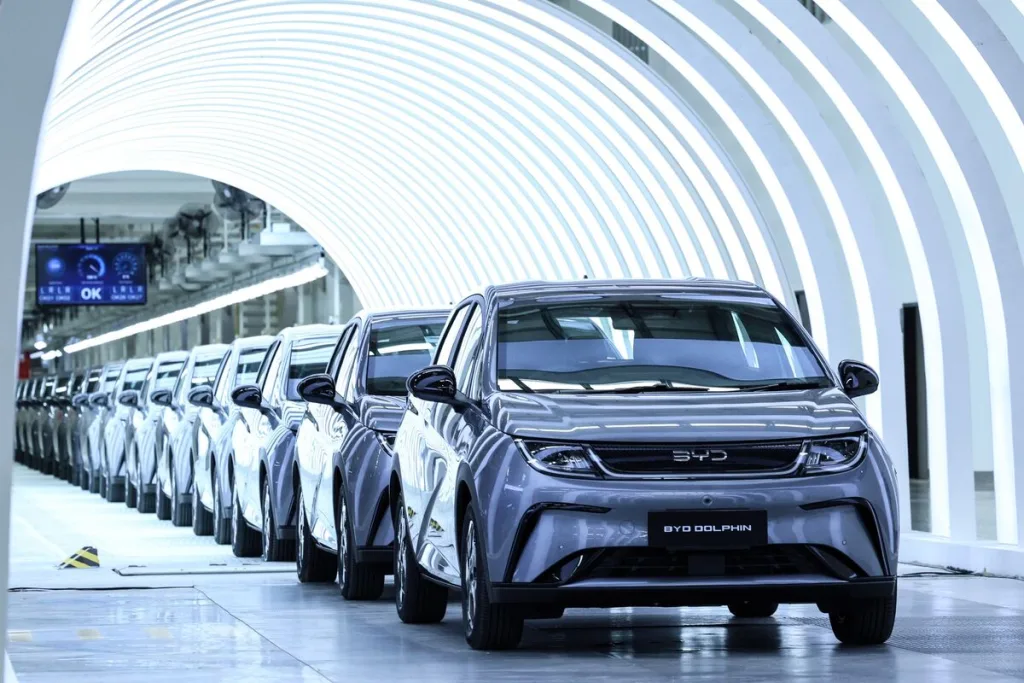
What Happened to “China’s EV Revolution”?
Remember when China’s EV sector was heralded as the model of successful state-driven industrial policy? That narrative is crumbling fast.
The problem wasn’t just oversupply at home. Chinese EV exports face mounting resistance abroad. Europe and the United States have raised red flags about subsidies and potential dumping practices. Trade barriers are multiplying, turning what looked like a global conquest into a geopolitical minefield.
Cities across China raced to become EV production hubs, often with little consideration for actual demand. Hefei and Xi’an transformed into automotive centers practically overnight. But rapid proliferation has dramatically outpaced consumer appetite, leaving factories running below capacity and balance sheets bleeding red.
The New Strategic Priorities
So what’s replacing EVs on China’s priority list? The shift is telling:
Quantum Computing: The next frontier in computational power Bio-Manufacturing: Synthetic biology and advanced biotech Hydrogen Energy: Alternative clean fuel technology Nuclear Fusion: Long-term clean energy solution
Notice a pattern? China is pivoting from mature technologies toward moonshot innovations that could define the next industrial revolution.
What This Means for the Industry
Don’t mistake this for abandonment. Beijing isn’t pulling the plug on EVs entirely—it’s changing the game.
Expect industry consolidation to accelerate. Weaker players will be forced out or absorbed. Government support will likely focus on high-value innovation: advanced battery technology, autonomous driving systems, and hydrogen mobility solutions. The era of blanket subsidies is over. The age of targeted, efficiency-driven support is beginning.
Global Implications
For the rest of the world, this matters enormously. A saturated Chinese market means manufacturers will push harder into international territories. But with rising trade tensions, that expansion won’t be easy.
European and American automakers might catch a breather as Chinese brands face reduced government backing. However, the most competitive Chinese manufacturers—those that can survive without subsidies—may emerge stronger and leaner.
The Bottom Line
China’s decision to drop EVs from strategic industry status signals something profound: even the world’s most successful EV market can overheat. What looked like visionary industrial policy now appears as a cautionary tale about the risks of overinvestment.
As China pivots toward quantum technology and hydrogen energy, the global EV industry enters uncharted territory. The message is clear: in the new era, survival depends less on government backing and more on innovation, quality, and genuine competitiveness.
The EV revolution isn’t over—it’s just entering its most challenging phase. And for once, China doesn’t have all the answers.

