

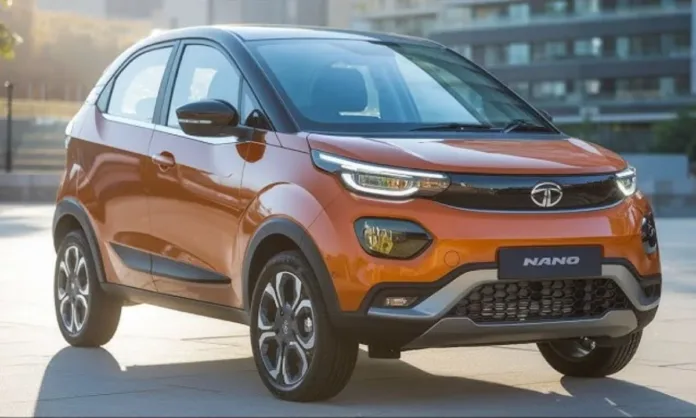

Remember the Tata Nano? That plucky little car that promised to put India on four wheels? Well, it’s making a comeback—and this time, it’s electric, eco-friendly, and potentially India’s cheapest EV ever at just ₹4-6 lakh.
If you thought the electric revolution was only for the wealthy, think again. Tata Motors is about to democratize electric mobility in a way no other automaker has dared to try.
Table of Contents
The Comeback That Could Change Everything
The Tata Nano Electric 2025 isn’t just nostalgia wrapped in batteries. It’s a bold statement that electric cars don’t have to cost a fortune. While most EVs start at ₹8-10 lakh and climb rapidly from there, the Nano EV could slash that entry barrier in half.
This matters because India needs affordable electric options—yesterday. With fuel prices climbing and pollution choking our cities, millions of Indians are ready to go electric. They just need a car that won’t drain their savings.
Quick Specs: What to Expect
| Specification | Details |
|---|---|
| Launch Timeline | Late 2025 – Early 2026 |
| Expected Price | ₹4 lakh – ₹6 lakh |
| Battery Capacity | 17–20 kWh lithium-ion |
| Driving Range | 200–250 km per charge |
| Charging Time (AC) | 4–5 hours |
| Fast Charging | ~1 hour (0-80%) |
| Top Speed | 70–85 km/h |
| Seating | 4 passengers |
| Key Safety Features | Dual airbags, ABS, rear sensors |
Launch Date: When Can You Buy One?
Tata Motors hasn’t dropped an official date yet, but all signs point to a late 2025 or early 2026 reveal. The Auto Expo 2026 could serve as the perfect launchpad—imagine the buzz if Tata unveils India’s most affordable EV on that grand stage.
Given Tata’s impressive EV lineup (Nexon EV, Tiago EV, Punch EV), the Nano would become the gateway drug to electric mobility—the car that introduces millions to zero-emission driving.
The Price That Changes the Game: ₹4-6 Lakh
Let’s talk numbers. The current entry-level Tata Tiago EV starts at ₹8.69 lakh. The Nano EV could undercut that by ₹2.5-4.5 lakh. That’s not a discount—it’s a revolution.
Who’s this perfect for?
- College students getting their first car
- Young professionals in metros
- Families needing a second city-only vehicle
- Middle-income households going green
- Anyone tired of ₹100+ petrol bills
At this price, the Nano EV isn’t competing with other EVs—it’s taking on petrol hatchbacks. And with rising fuel costs, the math suddenly makes electric the smarter choice.
Range & Performance: Built for City Life
The Nano EV isn’t trying to be a highway cruiser—it’s a city warrior. With a 200-250 km range, it handles daily commutes, school runs, grocery trips, and weekend outings without breaking a sweat.
Top speed of 70-85 km/h? Perfect for urban traffic where you rarely exceed 60 anyway. The single-speed automatic transmission means effortless driving—no clutch, no gear changes, just press and go.
Charging is simple:
- Plug into regular AC at night: Full charge by morning (4-5 hours)
- Need a quick top-up? Fast charging gets you 80% in about an hour
Design: Compact, Modern, Practical
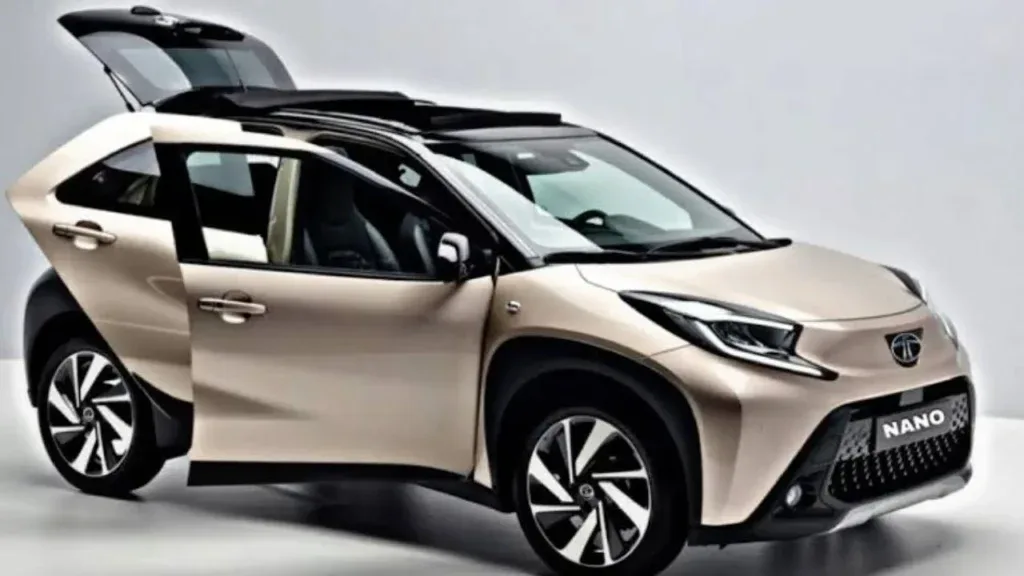
Tata’s keeping the Nano’s soul—that adorable, space-efficient packaging—but giving it a 21st-century makeover:
Exterior Updates:
- Sleeker LED headlights with DRLs
- Modern front grille (closed, since it’s electric)
- Updated bumpers with better aerodynamics
- Stylish alloy wheels
- Compact body perfect for tight parking spots
Interior Upgrades:
- Digital instrument cluster (goodbye, analog dials!)
- Touchscreen infotainment with smartphone connectivity
- Upgraded dashboard materials
- Comfortable seating for four adults
It won’t have leather seats or panoramic sunroofs, but it’ll have everything you actually need for smart urban driving.
Why This Could Trigger an EV Avalanche
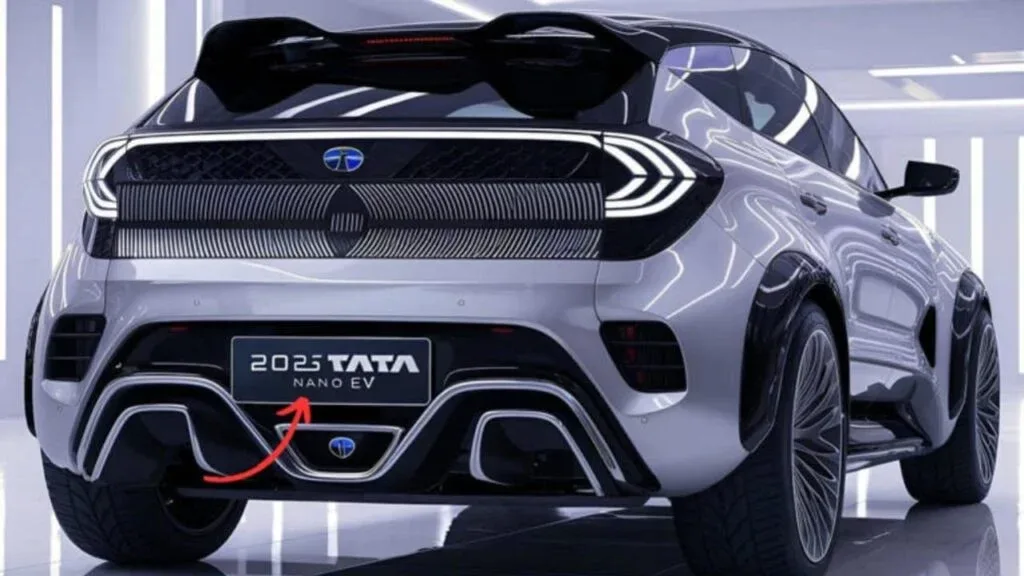
The Nano Electric has potential to do what no other EV has done: make electric cars mainstream in India.
The winning formula:
- Price: Affordable enough for the middle class
- Trust: Tata’s brand reliability and service network
- Timing: Rising fuel costs + improving EV infrastructure
- Practicality: Perfect range for 90% of daily driving
- Green Credentials: Appeals to environmentally conscious buyers
Think about it: If your monthly petrol bill is ₹5,000-6,000, you’d recover the cost difference versus a petrol car in just 2-3 years through fuel savings alone. Add minimal maintenance (no oil changes, no complex engine repairs), and the Nano EV becomes a no-brainer.
The Bigger Picture
India’s adding charging stations daily. Government subsidies are making EVs more attractive. Pollution concerns are mounting. The infrastructure and mindset are finally aligned.
The Nano EV arrives at the perfect moment—when India is ready to go electric but needs an affordable entry point.
Tata Motors already dominates India’s EV market. The Nano Electric could cement that leadership while bringing millions of first-time EV buyers into the fold.
The Wait Continues
Until Tata makes it official, we’re in speculation territory. But one thing’s certain: if they nail the price and deliver on the promise, the Tata Nano EV could become the most important car launch of the decade.
Stay tuned. The little car that could is about to become the little EV that changed everything.

