

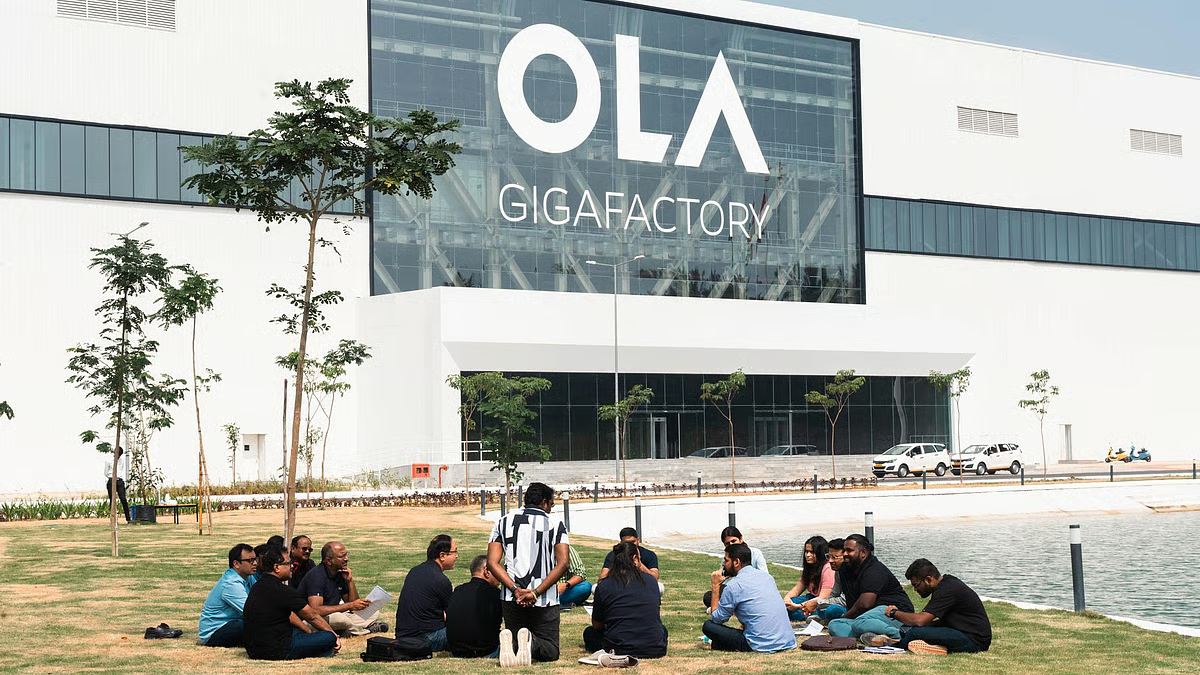

Tomorrow could be a defining moment for India’s electric scooter giant. On October 25, 2025, Ola Electric‘s board of directors will convene to discuss and potentially approve a major fundraising proposal through equity shares or other eligible securities. For a company that went public just two months ago, this move signals ambitious expansion plans—or urgent capital needs. Let’s break down what’s happening and what it means.
Table of Contents
The Fundraising Menu: Multiple Options on the Table
Ola Electric is exploring various fundraising methods including private placement, qualified institutional placement (QIP), preferential issue, or any combination permitted under applicable laws. Think of it as keeping all doors open—the company can choose the best route based on market conditions and investor appetite.
| Fundraising Method | What It Means | Who Participates |
|---|---|---|
| Private Placement | Selling shares to select investors privately | Institutional investors, HNIs |
| Qualified Institutional Placement (QIP) | Quick equity raising from qualified institutions | Mutual funds, insurance companies, FIIs |
| Preferential Issue | Issuing shares to specific investors at predetermined price | Strategic investors, promoters |
| Combination | Mix of above methods | Various investor classes |
The flexibility is strategic. Any proposal will be subject to necessary regulatory and statutory approvals, as well as shareholder approval.
The Context: Just Three Months Post-IPO
Here’s what makes this interesting: In August 2024, Ola Electric raised ₹5,500 crore through its highly anticipated IPO. That’s a massive capital infusion just 90 days ago. So why return to the fundraising table so quickly?
The answer lies in Ola’s ambitious roadmap beyond scooters.
Where the Money’s Going: Three Strategic Priorities
Priority 1: Cell Manufacturing Expansion
₹1,228 crore from the IPO was earmarked for Ola Electric Technologies (OCT) to expand cell manufacturing capacity from 5 to 6.4 GWh. Building India’s largest EV battery factory isn’t cheap—and scaling it requires continuous capital.
OCT focuses on indigenous cell R&D and large-scale manufacturing, supporting vertical integration and reducing dependence on imported cells, which helps protect against geopolitical risk. In a world where battery supply chains are strategic assets, this is smart positioning.
Priority 2: Project ‘Shakti’ – Beyond Vehicles
Through the latest fundraising plan, Ola Electric looks to enter battery energy storage systems (BESS) with its first non-vehicle offering, Shakti. This isn’t just about scooters anymore—Ola’s diversifying into grid-scale energy storage, a massive market as India’s renewable energy capacity explodes.
Priority 3: Supporting Subsidiaries
The fundraise will support cell manufacturing, BESS project ‘Shakti’, and subsidiaries. Ola’s building an ecosystem, not just a product line.
The Regulatory Dance: Trading Window Closed
In compliance with SEBI Listing Regulations, the company has kept its trading window closed since October 1, 2025. This prevents insiders from trading on material non-public information.
The window will reopen 48 hours after the declaration of the company’s financial results. Investors should watch for that announcement—it’ll include Q2 FY2025-26 numbers that could explain the fundraising urgency.
The Competitive Context: Market Share Under Pressure
Timing matters. Ola’s EV market share fell to 13.2% amid growing industry competition. Rivals like TVS, Bajaj, and Ather are gaining ground. Fresh capital could fuel aggressive marketing, new product launches, and dealer network expansion to reclaim leadership.
The Indian electric two-wheeler market is brutal right now—margins are thin, competition is fierce, and only companies with deep pockets can survive the price wars while investing in next-generation tech.
Recent Fundraising History: Building a War Chest
This isn’t Ola’s first post-IPO capital raise:
In May earlier this year, Ola Electric received the board’s approval to raise ₹1,700 crore through debt instruments, which included loans, working capital facilities or the issuance of non-convertible debentures (NCDs) and other eligible securities.
Add tomorrow’s potential equity raise, and Ola’s building a serious financial cushion for its multi-front expansion.
What Happens Next: The 48-Hour Watch
October 25 (Tomorrow): Board meeting to discuss and potentially approve fundraising proposal
Post-Meeting: Company will file outcome with stock exchanges (NSE and BSE)
Within 48 Hours of Financial Results: Trading window reopens
Following Weeks: If approved, regulatory submissions and shareholder approval process begins
Q1 2026 (Estimated): Actual fundraising could be executed, depending on market conditions
What This Means for Stakeholders
For Existing Shareholders: Potential dilution if equity is issued, but also confidence that the company is thinking long-term and funding growth aggressively.
For Potential Investors: A possible entry point through QIP or private placement, depending on pricing and terms.
For Competitors: A signal that Ola’s not retreating despite market share pressure—it’s doubling down.
For the EV Industry: Proof that scaling in India’s EV market requires continuous capital infusion. This isn’t a sprint; it’s a marathon with expensive pit stops.
The Bigger Picture: Burning Cash to Build Dominance
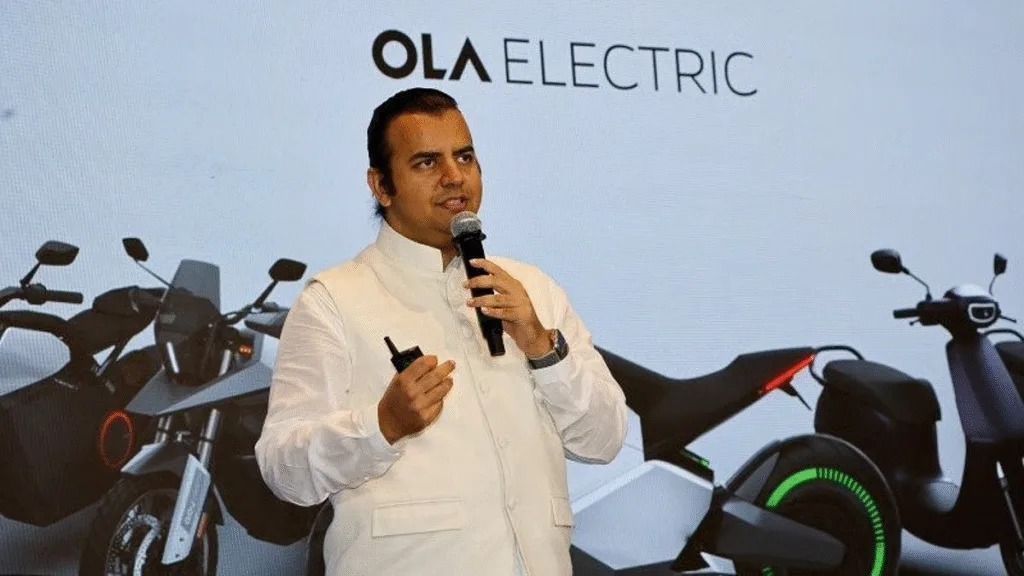
Ola Electric is playing the classic growth-stage playbook: raise capital, invest aggressively in capacity and technology, accept near-term losses for long-term market dominance. CEO Bhavish Aggarwal has announced Ola Electric’s first non-vehicle product, ‘Ola Shakti’, signaling the company’s evolution from EV manufacturer to energy ecosystem player.
Whether this strategy succeeds depends on execution—can Ola turn manufacturing scale, battery innovation, and ecosystem expansion into sustainable profitability before the capital runs out?
Tomorrow’s board meeting won’t answer that question. But it’ll show us how much fuel Ola thinks it needs for the journey ahead.

