

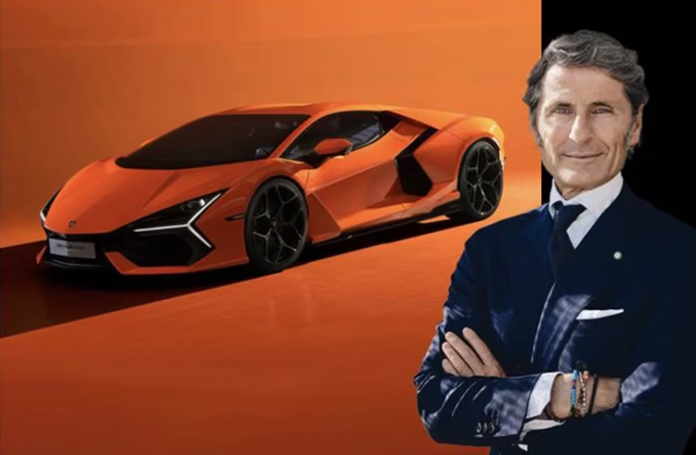

The Raging Bull just hit the brakes on its electric dreams. Lamborghini CEO Stephan Winkelmann is doing something shocking for an automotive executive in 2025: admitting that going fully electric might be the wrong move. And his reasoning reveals uncomfortable truths about the EV revolution nobody wants to discuss.
Table of Contents
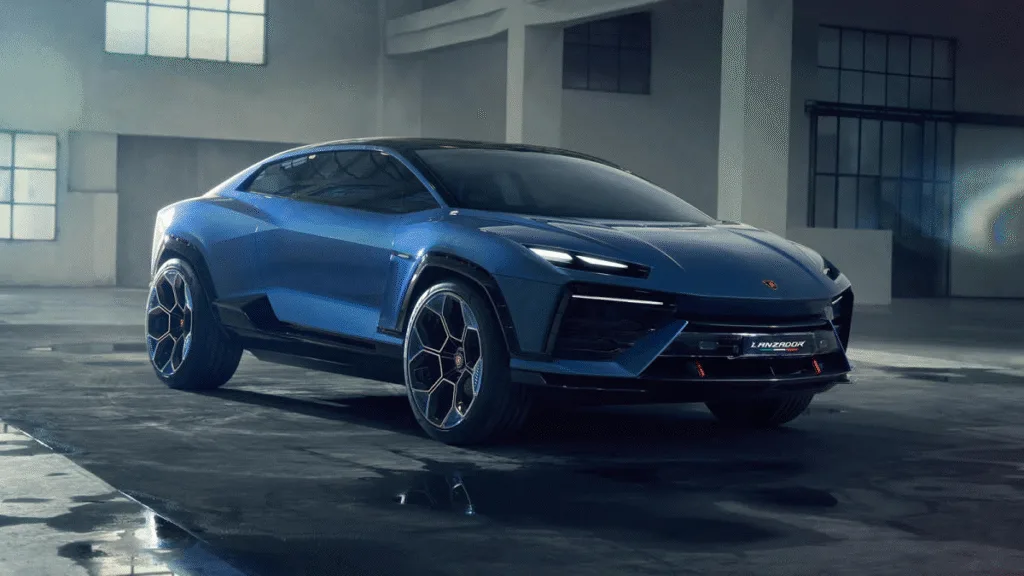
The Lanzador’s Identity Crisis
When Lamborghini unveiled the Lanzador concept in August 2023, it was supposed to be the brand’s triumphant entry into the EV era—a fully electric grand tourer arriving by 2029, powered by “over one megawatt” and representing the future of Italian performance.
Fast forward to October 2025, and that certainty has evaporated.
“With Lanzador, we need to decide whether it will be a PHEV or electric in the next few weeks,” Winkelmann told Autocar. Translation: Lamborghini’s first EV might not be an EV at all.
The Luxury EV Reality Check
| Factor | 2023 Expectation | 2025 Reality |
|---|---|---|
| EV Adoption Rate | Rising aggressively | Flattening/cooling |
| Customer Demand | Strong interest | “Don’t see BEV as alternative” |
| Market Readiness | Assumed by 2029 | Questionable even by 2030 |
| Hybrid Success | Transitional | Revuelto & Urus SE thriving |
| Lanzador Launch | 2028 (pure EV) | 2029 (maybe hybrid) |
The shift isn’t subtle. Winkelmann now says: “When it comes to our cars, [customers] don’t see BEV as an alternative today. We could do a BEV but I think it is a bad offer for the next few years.”
That’s remarkably blunt for an industry that usually speaks in optimistic platitudes.
Why Lamborghini’s Customers Don’t Want EVs
Here’s the uncomfortable truth luxury brands are discovering: wealthy buyers aren’t early EV adopters for supercars. They want them for commuting. But when spending $400,000+ on a weekend toy?
They still want “the sound and the emotion” of internal combustion engines.
What Lamborghini Buyers Actually Want:
- V12 rumble that makes pedestrians turn
- Mechanical connection and visceral feedback
- Exclusivity that EVs (made by everyone) can’t deliver
- Emotional experience, not just acceleration numbers
- Heritage and tradition, not tech disruption
Winkelmann told the BBC: “Today, enthusiasm for electric cars is going down. We see a huge opportunity to stay with internal combustion engines and a battery system much longer than expected.”
The “Insignificant” Emissions Argument
Winkelmann made a politically incorrect but mathematically accurate point: “We are selling 10,000 cars in a world that is producing 80 million cars a year, so our impact in terms of CO2 emissions is not that important.”
The Numbers Don’t Lie:
- Lamborghini’s annual production: ~10,000 units
- Global auto production: 80+ million vehicles
- Lamborghini’s share: 0.0125% of global output
He continued: “For sure, we are socially responsible, but it doesn’t really make a lot of difference.”
That argument won’t satisfy climate activists, but it explains why Lamborghini feels less pressure than mass-market brands to electrify immediately.
The Hybrid Strategy That’s Actually Working
While Lamborghini reconsiders pure EVs, its hybrid models are crushing it:
Current Hybrid Lineup:
- Revuelto: V12 + hybrid system, first electrified flagship
- Urus SE: Hybrid Super SUV with strong demand
- Temerario: Hybrid Huracán replacement with enthusiastic reception
Winkelmann acknowledged hybrids add cost, weight, and complexity, but “We made one promise: the new cars will have a new design, they will be faster, and the benefit for Lamborghini, for the world, and also for you, is they will have lower CO2 emissions.”
That’s the compromise customers accept: slightly heavier cars that deliver more performance while reducing emissions without sacrificing sound.
Ferrari Takes the Opposite Bet
While Lamborghini hedges, Ferrari is charging full-speed ahead. The Prancing Horse unveiled key components of its first all-electric car, the Elettrica, on October 9, 2025, calling it “the culmination of a long journey of technological research into electrification that began with the first hybrid solutions derived from the 2009 Formula 1 car.”
The Ferrari vs. Lamborghini Divide:
| Approach | Lamborghini | Ferrari |
|---|---|---|
| First Pure EV | 2029+ (uncertain) | 2026 (committed) |
| Philosophy | Customer-driven, pragmatic | Technology-driven, confident |
| V12 Future | Continuing post-2030 | Transitioning away |
| Hybrid Success | Leaning on it heavily | Stepping stone only |
Ferrari CEO Benedetto Vigna stated: “Ferrari’s unique positioning lies at the crossroads of heritage, technology and racing.”
The two Italian rivals, headquartered just an hour apart, are betting on opposite futures.
The Regulatory Tightrope
Winkelmann explained the complexity: “We will meet Euro 7 [emissions targets] which is a huge step. But in the US we have different rules, for example. We have to start flexible and alert in this sense. It is more favourable to continue to do PHEV cars.”
The Global Regulatory Puzzle:
- European Union: Aggressive emissions targets, potential ICE ban delays
- United States: State-by-state variation, political volatility
- China: Pro-EV but luxury exemptions exist
- Middle East: Lamborghini’s 6th largest market, minimal EV pressure
Navigating 17+ different regulatory frameworks while maintaining brand identity? That’s the nightmare keeping Winkelmann awake.
The V12 Lifeline
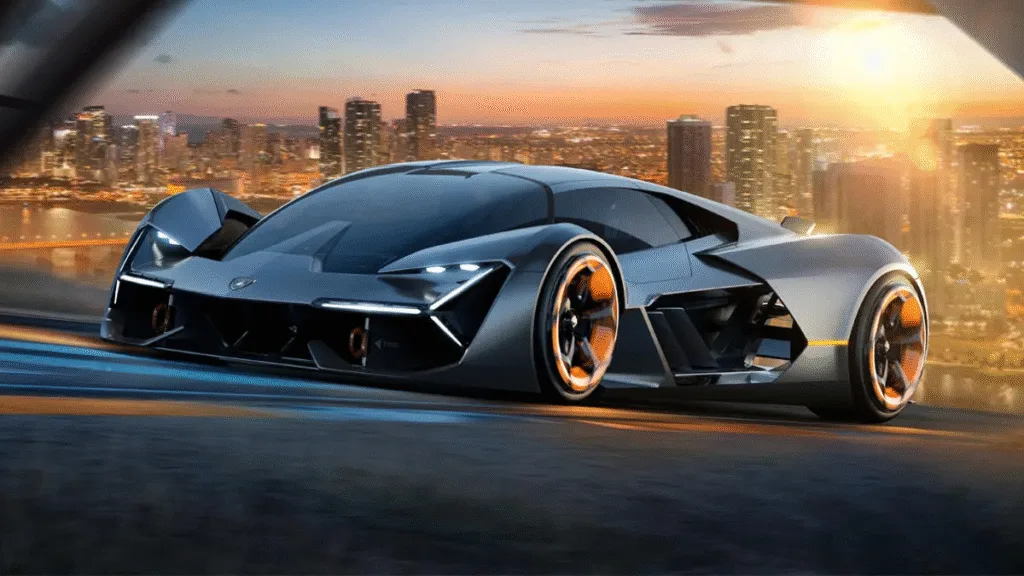
Winkelmann confirmed that Lamborghini’s V12 internal combustion engine, which powers the Revuelto, will continue to be manufactured after 2030.
That’s not a small decision. It’s a declaration that Lamborghini believes its V12 heritage matters more than being first to electrify.
Why V12s Matter:
- 60+ years of brand DNA
- Sound signature customers pay premium for
- Mechanical artistry increasingly rare
- Synthetic fuel potential keeps them relevant
- Emotional connection EVs struggle to match
Describing how continued utilization of internal combustion engines for another decade is “paramount for the success of the company.”
What Changed in Two Years?
The Lanzador was conceived when EV enthusiasm peaked. Now reality is setting in:
Market Shifts:
- EV sales still growing but momentum slowing in Western markets
- Hybrid vehicles regaining consumer appeal
- Infrastructure gaps persisting longer than expected
- Political backlash against EV mandates
- Price sensitivity even among luxury buyers
Winkelmann pointed to a flattening EV adoption curve, describing it as “even more” noticeable for niche brands like Lamborghini.
When mass-market EVs struggle with adoption, ultra-luxury EVs face exponentially harder challenges.
The Decision Timeline
Lamborghini isn’t delaying indefinitely—they’re deciding imminently. Winkelmann said his team needs to make the Lanzador decision “in the next few days, weeks.”
Likely Scenarios:
- Lanzador becomes PHEV: Most probable, aligns with hybrid success
- Delayed pure EV: Pushed to 2030+, awaits market maturity
- Cancelled entirely: Nuclear option if market deteriorates further
Whatever they decide sets precedent for the supercar industry.
The Tariff Wild Card
Adding complexity: Even wealthy Lamborghini buyers are pausing purchases due to tariff uncertainty, Winkelmann told CNBC. With European automakers currently paying 27.5% tariffs on U.S. exports, even millionaires and billionaires are price-sensitive.
The economic environment makes expensive R&D gambles on unproven markets (luxury EVs) even riskier.
The Bottom Line
Lamborghini’s EV rethink isn’t about resistance to change—it’s about listening to customers and reading markets accurately.
“When it comes to our type of cars, [our customers] don’t see [EV] as an alternative today,” Winkelmann explained. That sentence summarizes a brutal market reality other luxury brands are discovering quietly.
Key Takeaways:
- Hybrid technology extends ICE viability while reducing emissions
- Luxury EV demand isn’t following mass-market patterns
- Sound and emotion remain non-negotiable for supercar buyers
- Low-volume manufacturers face different pressures than mass brands
- Ferrari’s contrasting bet makes this industry’s most interesting test
The Lanzador decision coming in “weeks” will reveal whether Lamborghini has the courage to contradict industry groupthink—or whether market pressure forces even the iconoclasts to fall in line.
For now, the Raging Bull is hedging its bets. And given what’s happening in the broader EV market, that might be the smartest decision Winkelmann makes all year.

