


Picture this: India offers the highest electric vehicle subsidies in the world—nearly half the car’s price—yet only 2% of vehicles on Indian roads are electric. Meanwhile, China, the world’s EV manufacturing powerhouse, just filed a complaint with the World Trade Organization claiming India’s subsidies are “unfair.”
Confused? You’re not alone. Let’s unpack this trade drama that could reshape India’s electric vehicle future.
Table of Contents
The Bombshell Announcement
On Wednesday, China escalated tensions by filing a formal complaint with the WTO over India’s EV and battery subsidies. Beijing’s Ministry of Commerce didn’t mince words, stating it will take “firm measures” to protect its domestic industries’ interests.
The accusation? India’s subsidy structure gives domestic manufacturers an unfair competitive advantage that undermines Chinese interests in the global market.
Here’s the irony: China dominates 60% of global EV production and holds a near-monopoly on battery manufacturing. Yet it’s challenging India—a market where EVs represent just 2% of total vehicle sales.
India’s Subsidy Game: Leading the World (But Why?)
According to The Economic Times analysis, India offers staggering subsidies compared to other major economies. Take the Tata Nexon EV, India’s bestselling electric car. The total subsidies—both direct and indirect—amount to roughly 46% of its price tag.
Let that sink in. Almost half the car’s cost is subsidized.
Global EV Subsidy Comparison
| Country | Subsidy Percentage | EV Market Share |
|---|---|---|
| India | 46% | 2% (lowest) |
| Japan | 26% | Significantly higher |
| United States | 26% | Significantly higher |
| Germany | 20% | Significantly higher |
| South Korea | 16% | Significantly higher |
| China | 10% | 35%+ (world leader) |
The numbers tell a paradoxical story: India subsidizes the most but achieves the least adoption.
Breaking Down India’s EV Support System
India’s generous subsidies come in multiple flavors:
Direct Benefits:
- Reduced GST rates compared to conventional vehicles
- Lower road taxes for EV owners
- Direct purchase subsidies under government schemes
Indirect Support:
- Production-Linked Incentive (PLI) scheme for manufacturers
- Infrastructure development subsidies
- R&D grants and manufacturing incentives
The PM E-DRIVE Revolution
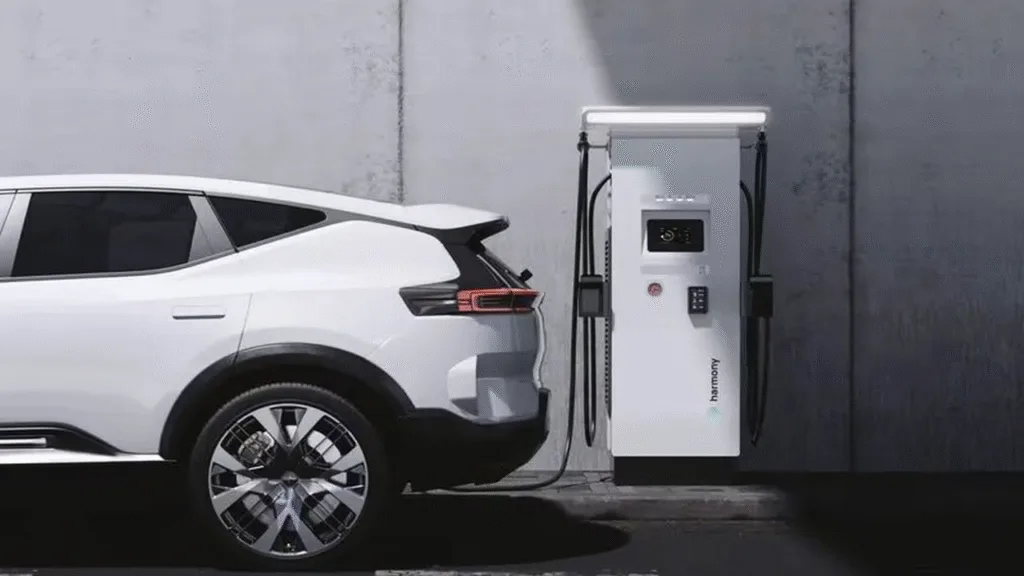
In January, India introduced the ₹2,000-crore PM Electric Drive Revolution in Innovative Vehicle Enhancement (PM eDRIVE) scheme, replacing the FAME program. The scale is unprecedented:
Key Features:
- 80-100% subsidy coverage for public fast-charging infrastructure
- 30% subsidy released upon tender award
- 40% paid after installation
- Remaining balance after successful commercial operation
In August, the Ministry of Heavy Industries extended the scheme for two years, but with a critical twist:
Winners (subsidies until March 2028):
- E-trucks
- E-ambulances
- E-buses
- Charging infrastructure
Losers (subsidies ending March 2026):
- Electric two-wheelers
- E-rickshaws
- Electric three-wheelers
- Electric carts
Why China Is Really Upset
Here’s what’s happening beneath the surface. Chinese EV manufacturers like BYD have struggled to enter the Indian market directly due to regulatory hurdles and high import duties. Meanwhile, India’s PLI schemes encourage domestic production, potentially reducing reliance on Chinese batteries and components.
China controls approximately 70% of global battery production capacity and 85% of battery cell manufacturing. India’s aggressive subsidies threaten to build a competing ecosystem that could reduce Chinese component exports to India—currently worth billions.
The WTO Wildcard
China’s WTO complaint could force India to either:
- Justify its subsidies under WTO rules (difficult but possible)
- Reduce or restructure support mechanisms
- Face potential trade penalties if found non-compliant
The WTO process typically takes 2-3 years, meaning immediate impacts are unlikely. However, the complaint signals China’s growing concern about losing market access in one of the world’s fastest-growing automotive markets.
What This Means for Indian Consumers
For now, EV buyers can breathe easy. Current subsidy structures remain intact, and the PM E-DRIVE scheme continues through 2028 for commercial vehicles and charging infrastructure.
However, if you’re considering an electric two-wheeler or three-wheeler, the March 2026 deadline for subsidies might accelerate your purchase decision.
The Bottom Line
India offers the world’s highest EV subsidies yet has the lowest adoption rate. China, despite dominating global EV production with minimal subsidies, claims India’s approach is unfair. The WTO will now decide who’s right.
The real question isn’t about subsidies—it’s about strategy. Can India transform generous incentives into actual EV adoption? Or will these billions in subsidies become another case of good intentions meeting disappointing results?

