

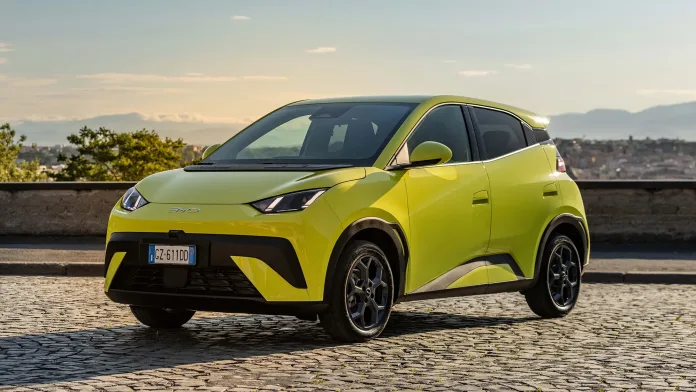

Europe — China’s automotive giant BYD is eyeing Spain as the frontrunner location for its third European electric vehicle manufacturing facility, signaling aggressive expansion plans to consolidate its position as a global EV powerhouse. This move comes as BYD accelerates its three-year strategy to localize all European vehicle production on the continent.
Table of Contents
Why Spain? The Strategic Calculation
Spain’s appeal to BYD is multifaceted. The nation offers competitive production costs, robust renewable energy infrastructure, and a proven track record as Europe’s second-largest vehicle manufacturing hub. As BYD’s country manager for Spain and Portugal, Alberto De Aza, previously noted to Reuters, “Spain would be an ideal location for further expansion of BYD’s European manufacturing footprint because of its industrial infrastructure and cheap electricity.”
| Factor | BYD’s Strategic Rationale |
|---|---|
| Energy Costs | Significantly lower than Germany |
| Renewable Power | Europe’s strongest solar infrastructure |
| Industrial Base | Established automotive manufacturing ecosystem |
| Tariff Advantage | Localized production circumvents EU import duties |
| Government Support | €5 billion EU incentive program for EV production |
The Broader European Strategy
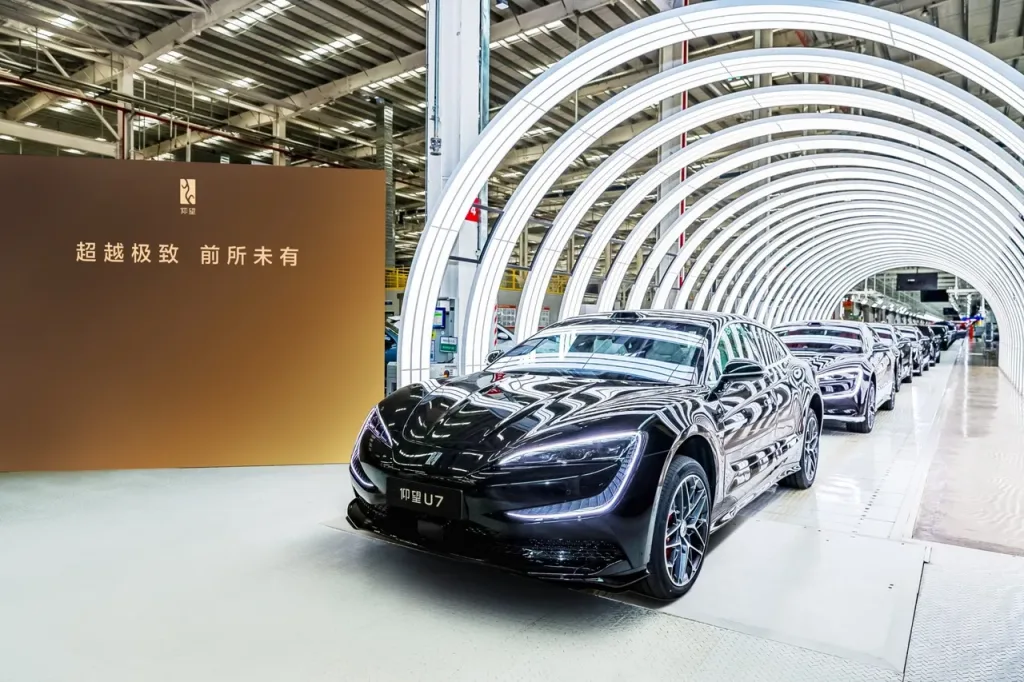
Spain isn’t BYD’s only gambit. The Chinese EV manufacturer is simultaneously developing production facilities in Hungary and Turkey, targeting full operational status within the next 18 months. Hungary’s plant is now expected to reach full-scale production by next year, while Turkey’s facility is scheduled for 2026 launch.
This three-pronged European localization strategy isn’t merely about manufacturing capacity—it’s a calculated move to bypass the EU’s controversial tariffs on Chinese-made electric vehicles that have shaped the continent’s automotive landscape.
Explosive Growth Momentum
BYD’s European ambitions are backed by staggering numbers. The company recorded a stunning 280% surge in European deliveries during the first eight months of 2025 compared to the same period in 2024. This explosive growth followed BYD’s strategic pivot to offer both plug-in hybrid and fully electric options, catering to diverse consumer preferences across the continent.
The company has simultaneously restructured its European operations, bolstering management teams and expanding its dealer network—moves that underscore serious commitment to market penetration.
Geopolitical Dimensions
Spain’s candidacy isn’t purely economic. The nation’s diplomatic stance matters. Spain notably abstained during the EU vote on Chinese EV tariffs—a decision that hasn’t gone unnoticed. Intelligence reports suggest Chinese authorities have privately advised domestic manufacturers to deprioritize investments in countries backing restrictive trade measures, implicitly endorsing investment-friendly nations like Spain.
Timeline & Final Approval
While Spain is the leading candidate, no final commitment has been announced. The decision requires authorization from Chinese government regulators, with determination expected before year-end. Germany was initially examined but rejected due to elevated labor and energy costs—a telling indicator of BYD’s cost-consciousness.
Broader Market Implications
Spain’s potential win would strengthen its position as a European EV manufacturing hub, joining existing investments from Volkswagen, Chery, and CATL. The 2020 EU pandemic recovery funding package, allocating €5 billion to support electric vehicle and battery production, has proven instrumental in attracting such megaprojects.
BYD’s European strategy represents a fundamental shift in global automotive manufacturing, signaling that EV leadership extends far beyond Tesla, with Chinese innovators reshaping the industry.
Track the latest EV manufacturing developments and global automotive trends at IndiaEVNews.com.

