

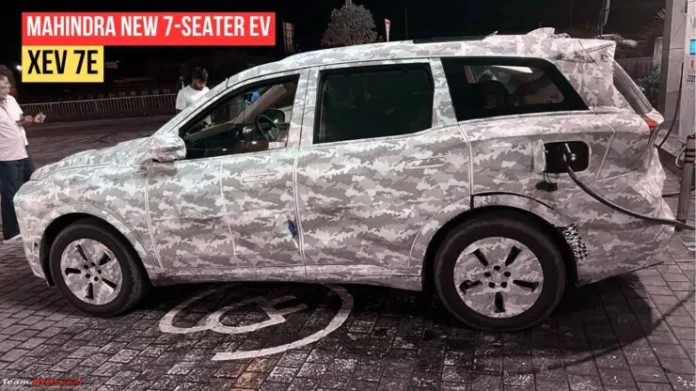

Imagine cruising through Indian streets in an electric XUV700—silent, powerful, and emission-free. That dream is closer than you think. Mahindra’s upcoming XEV 7e has been spotted again, this time charging at a public station, and the internet can’t stop buzzing about it.
Table of Contents
The Electric XUV700 Is Almost Here
The spy shots reveal a production-ready SUV that looks remarkably similar to the beloved XUV700 but with a decidedly electric twist. This isn’t just another concept car gathering dust in a showroom—this is the real deal undergoing final testing before launch.
The charging port sits on the rear three-quarter panel, mimicking the traditional fuel filler cap location, making it feel familiar to current XUV700 owners considering the switch to electric.
What Makes the XEV 7e Special?
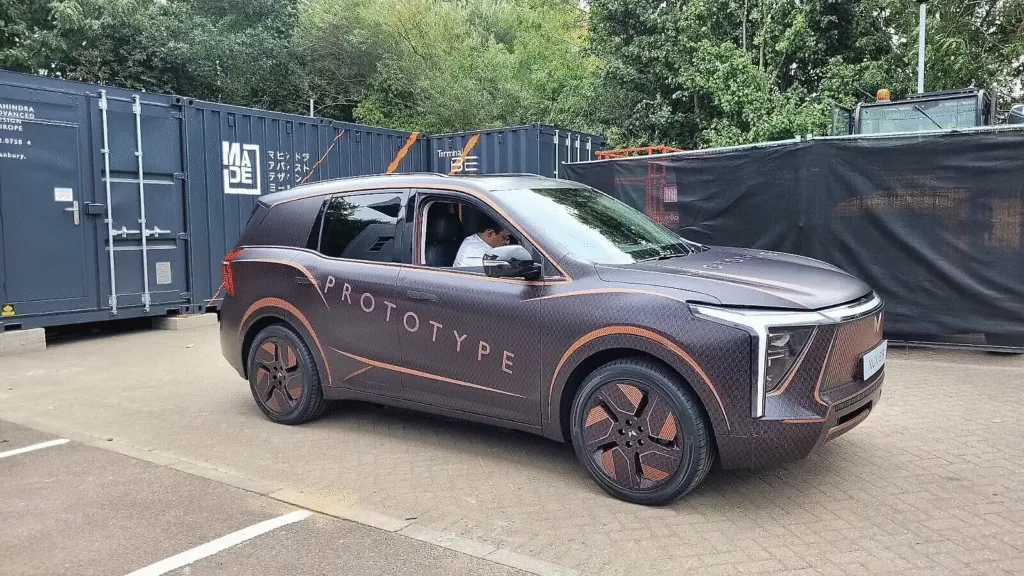
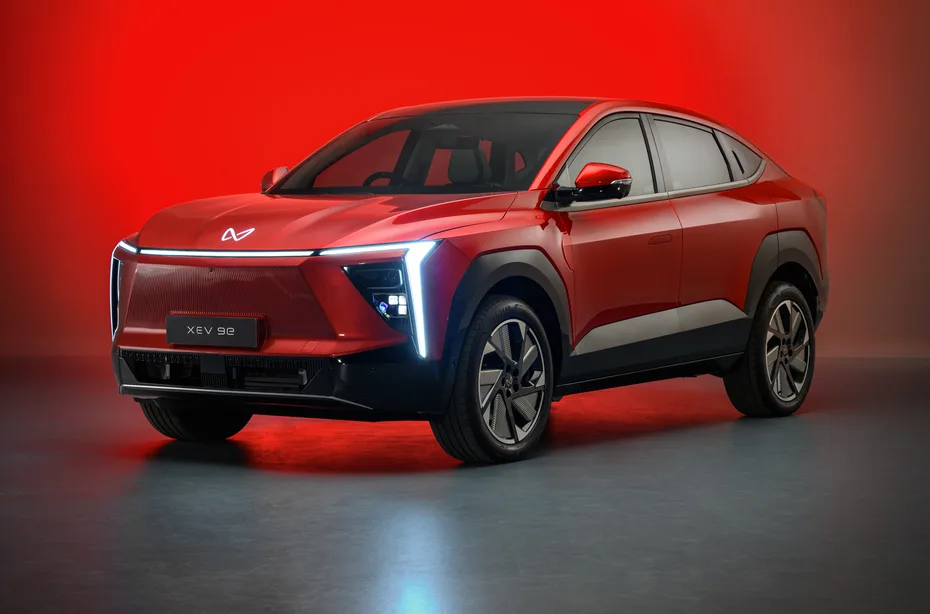
Built on Mahindra’s advanced INGLO skateboard platform—the same architecture powering the XEV 9e and BE 6—the XEV 7e promises to bring premium electric mobility to Indian families who need space, style, and substance.
Design That Turns Heads
From the side, it’s almost identical to the XUV700, but look closer and you’ll spot the electric makeover:
- Front: Full-width LED light bar with inverted L-shaped DRLs and a closed-off grille
- Sides: Fresh alloy wheel design maintaining the XUV700’s commanding stance
- Rear: Subtle EV-specific tweaks including a redesigned bumper and modified C-pillars
- Tech: LEVEL 2+ ADAS with comprehensive parking sensors
Interior Luxury Redefined
Step inside, and you’re greeted by a cabin that screams premium. The dashboard features three 12.3-inch displays, creating a tech-forward command center that rivals luxury sedans. Add a two-spoke steering wheel, 16-speaker Harman Kardon sound system with Dolby Atmos, and multi-zone climate control—this isn’t just transportation, it’s an experience.
Family-focused buyers will appreciate the 6 and 7-seat layout options, with the 6-seater featuring ventilated captain seats in the second row.
Power and Range: The Numbers Game
| Battery Option | Estimated Range | Drivetrain Options |
|---|---|---|
| 59 kWh LFP Pack | ~400 km | Rear-wheel drive |
| 79 kWh LFP Pack | ~550-600 km | RWD or Dual-motor AWD |
Unlike the XEV 9e which only offers rear-wheel drive, the XEV 7e will give adventure enthusiasts an AWD option—perfect for those weekend getaways to the hills or tackling challenging terrain.
When Can You Buy One?
Here’s where it gets exciting. Sources suggest the XEV 7e could launch in Q1 2026, with a possible debut in December 2025 or January 2026. Mahindra has also scheduled a major electric vehicle showcase for August 15, 2025, where we might catch our first official glimpse.
The frequent test mule sightings—from highway runs to public charging stations—indicate Mahindra is putting the XEV 7e through rigorous real-world testing. This isn’t rushed; it’s thorough.
Who Should Consider the XEV 7e?
Urban families looking for a spacious, tech-loaded electric SUV without compromising on the XUV700’s practicality will find their perfect match here.
XUV700 loyalists who’ve been waiting for an electric version can finally make the switch without sacrificing the familiar design language and commanding road presence they love.
Eco-conscious buyers who refuse to compromise on performance, features, or space will appreciate the zero-emission powertrain wrapped in a family-friendly package.
The Competition Heats Up
The XEV 7e will lock horns with the upcoming Tata Safari EV and other electric SUVs in the premium segment. Pricing speculation suggests it could land between ₹20-25 lakh, positioning it as an accessible premium electric option for Indian families.
Final Thoughts
The Mahindra XEV 7e represents more than just an electrified XUV700—it’s Mahindra’s statement that electric vehicles can be practical, spacious, feature-rich, and exciting. With production testing well underway and launch timelines solidifying, the wait for India’s electric family SUV is almost over.
Keep your eyes peeled for that August 15 reveal. This could be the electric SUV that finally makes Indian families rethink their petrol and diesel loyalties.

