

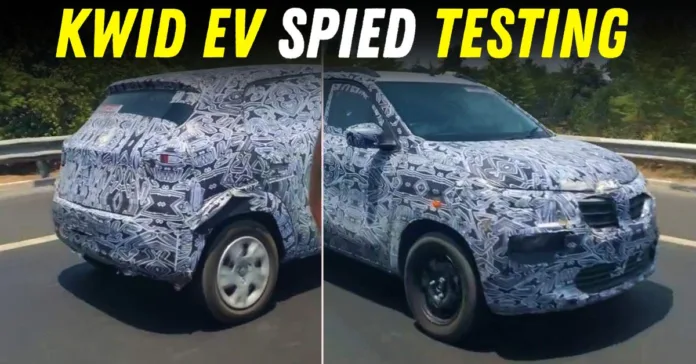

India’s most affordable car is going electric—and spy shots suggest Renault isn’t just slapping a battery into the old Kwid. They’re bringing something entirely different, something that might finally make electric cars accessible to every Indian family.
Table of Contents
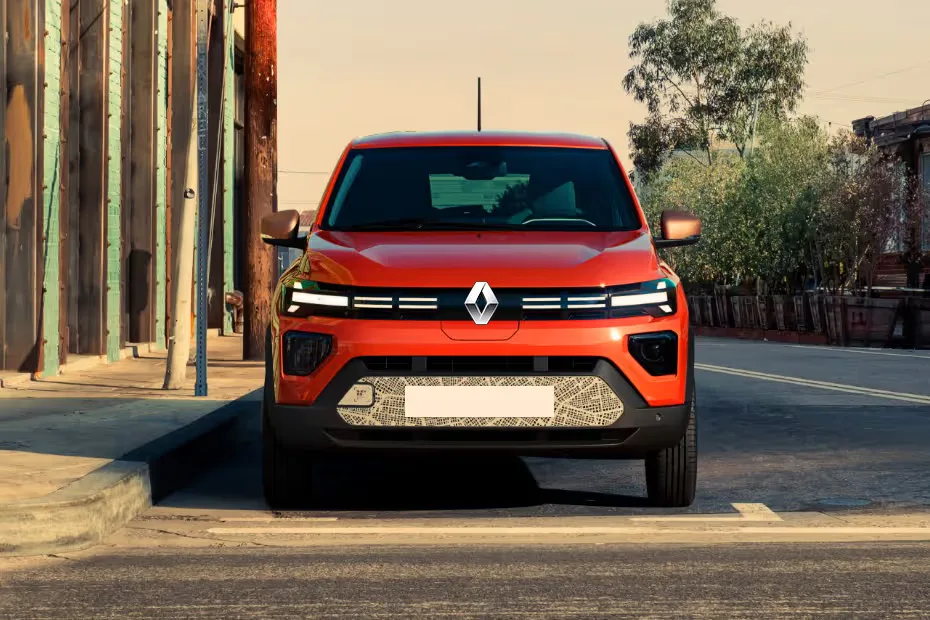
Out with the Old, In with the Bold
Forget everything you know about the current Kwid. The test mules spotted across India look nothing like the quirky hatchback we’ve grown familiar with. Instead, they mirror the Dacia Spring EV sold globally—a complete redesign that trades the Kwid’s compact stance for a more upright, crossover-inspired silhouette.
Why the dramatic makeover? Renault learned that entry-level EVs need to look substantial to justify the price premium over petrol cars. The new design delivers exactly that.
What the Spy Shots Reveal
The heavily camouflaged test mules can’t hide some exciting details:
Design Highlights:
- Front charging port: Centrally located for easier access at charging stations
- Y-shaped LED DRLs: Bold, modern signature lighting
- Crossover styling: Thick black body cladding all around
- 14-inch steel wheels: Cost-effective choice for base variants
- Flip-up door handles: Carried over from current Kwid
- Bull-bar element: Rugged front bumper design
- Connected tail lights: Y-shaped rear LEDs linked by thick black cladding
That central front charging port is particularly smart. Unlike side-mounted ports that force you to park strategically, a front port lets you approach charging stations from any angle—a blessing at crowded public chargers.
Tech Specs: What to Expect
| Specification | Expected Details |
|---|---|
| Battery Capacity | 26.8 kWh |
| Range | ~225 km (ARAI) |
| Motor Options | 45 HP / 65 HP variants |
| Infotainment | 10-inch touchscreen |
| Instrument Cluster | 7-inch digital display |
| Wheels | 14-inch steel (base) |
| Safety Features | Rear wiper, washer, defogger |
Based on the global Dacia Spring EV, the Indian Kwid EV should pack a 26.8 kWh battery with approximately 225 km of real-world range. That’s perfect for daily city commutes—most Indians drive less than 50 km daily.
Two motor options might be offered: a 45 HP base variant for affordability and a punchier 65 HP version for those wanting more zip.
The Price Question
Renault’s master plan? Maximum localization. They’re not importing expensive components—they’re building them in India.
Current Kwid pricing: Rs 4.7-6.4 lakh
Expected Kwid EV pricing: Rs 8-10 lakh (estimate)
This would undercut competitors like:
- Tata Tiago EV: Rs 8.49-11.89 lakh
- Citroen eC3: Rs 11.50-12.85 lakh
- MG Comet EV: Rs 7.98-9.98 lakh
If Renault hits the Rs 8 lakh mark post-subsidies, they’ll have a genuine mass-market winner.
Interior: Minimalist but Modern
Don’t expect luxury. The Kwid has always been about smart value, not premium features. But “basic” in 2025 means:
- 10-inch touchscreen infotainment
- 7-inch digital instrument cluster
- Essential connectivity features
- Practical storage solutions
The focus remains on eliminating unnecessary costs while delivering what matters: reliable transportation with zero fuel bills.
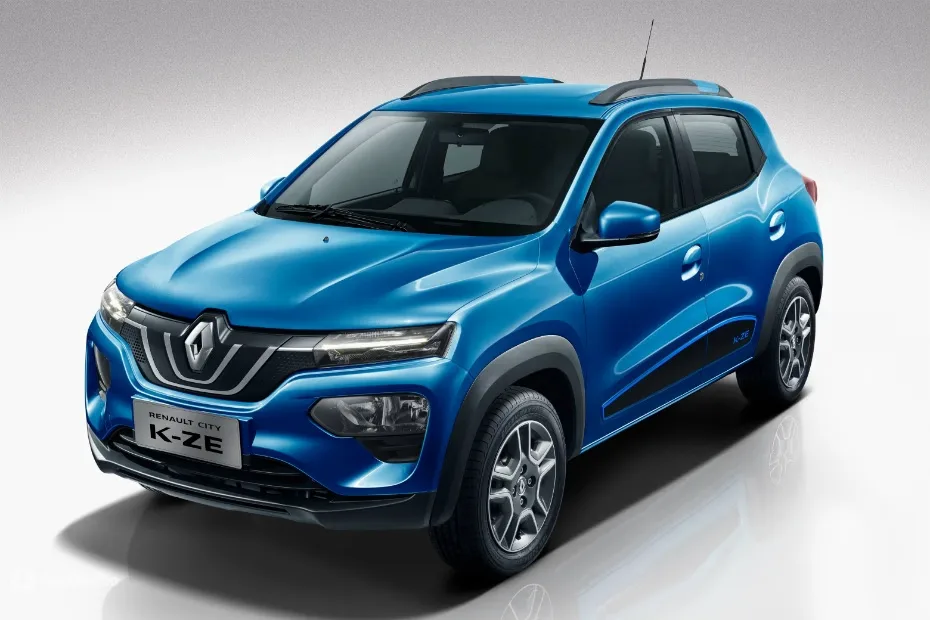
Why This Matters for India
India needs affordable EVs desperately. Most families can’t justify spending Rs 15+ lakh on electric cars when petrol options cost half as much. The Kwid EV changes that equation.
Cost Benefits:
- Electricity vs Petrol: Rs 1.5/km vs Rs 6/km (approximately)
- Maintenance: Significantly lower (no engine oil, filters, etc.)
- Home Charging: Most Indians can charge overnight from regular sockets
- Government Incentives: State subsidies reduce upfront costs
For someone driving 30 km daily, monthly fuel savings alone exceed Rs 4,000. Over five years, that’s Rs 2.4 lakh saved—almost a third of the car’s cost.
The Kiger Mystery
Remember the Kiger EV test mule that appeared once and vanished? Renault likely realized the Kiger’s premium positioning wouldn’t work for their first EV. The Kwid name carries stronger entry-level credentials—it’s trusted, proven, and synonymous with affordability.
Launch Timeline
Multiple recent sightings suggest Renault is serious this time. Unlike the Kiger’s single appearance, the Kwid EV is being tested extensively across different conditions.
Realistic launch window: Late 2025 or early 2026
This aligns with India’s growing charging infrastructure and increasing EV acceptance post-Tata’s Tiago EV success.
Bottom Line
The Renault Kwid EV isn’t trying to be a Tesla. It’s not competing with luxury EVs. Instead, it’s targeting the 95% of Indian buyers who simply want an affordable, practical car that happens to be electric.
If Renault nails the pricing—and all signs suggest they will—this could be the EV that finally democratizes electric mobility in India. The spy shots certainly suggest they’re on the right track.
Now we just need confirmation of that launch date.

