

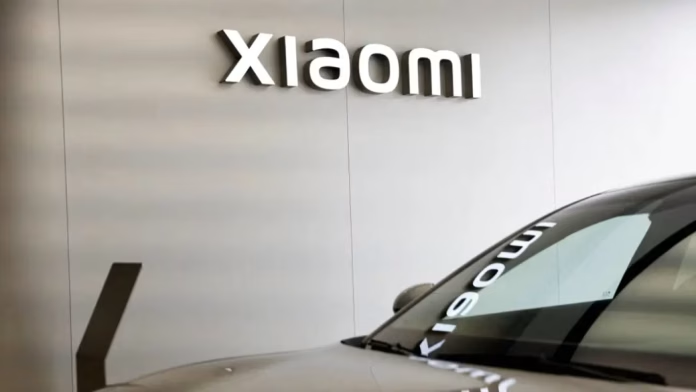

The smartphone giant turned automotive powerhouse just proved skeptics wrong—again. Xiaomi EV shattered its own delivery records in September 2024, surpassing 40,000 vehicles for the first time in a single month. This isn’t just another corporate milestone; it’s a seismic shift in China’s electric vehicle landscape.
Table of Contents
From Smartphones to Supercars: Xiaomi’s Remarkable Journey
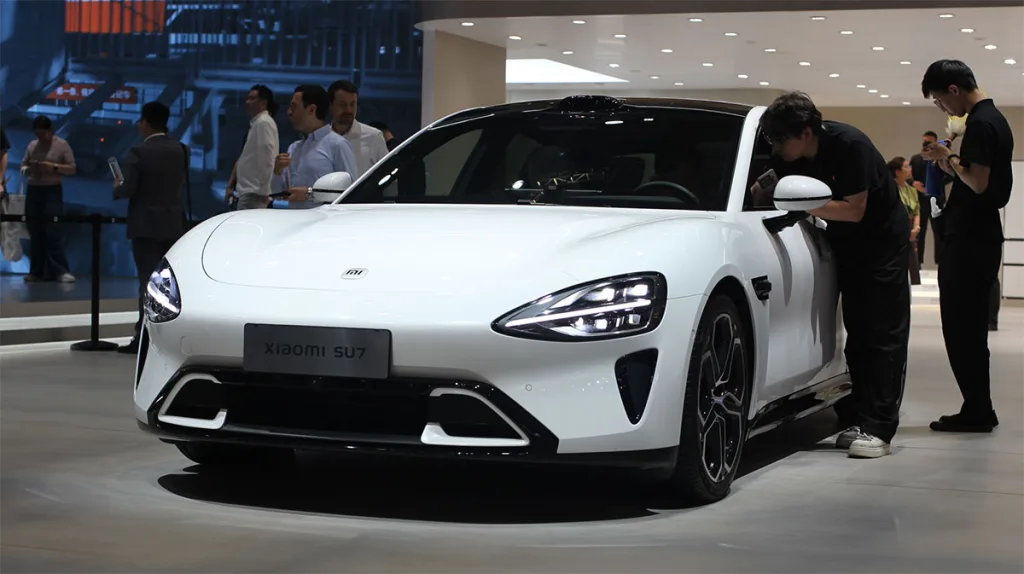
Remember when tech companies making cars seemed like science fiction? Xiaomi didn’t just enter the EV market—they stormed it. After officially launching their SU7 electric sedan on March 28, 2024, they’ve transformed from automotive newcomers to serious Tesla competitors in record time.
The numbers tell an incredible story. September’s 40,000-plus deliveries crushed August’s already impressive record of 36,396 vehicles. That’s not incremental growth—that’s explosive momentum that has legacy automakers nervously glancing over their shoulders.
The YU7 Effect: When Demand Overwhelms Supply
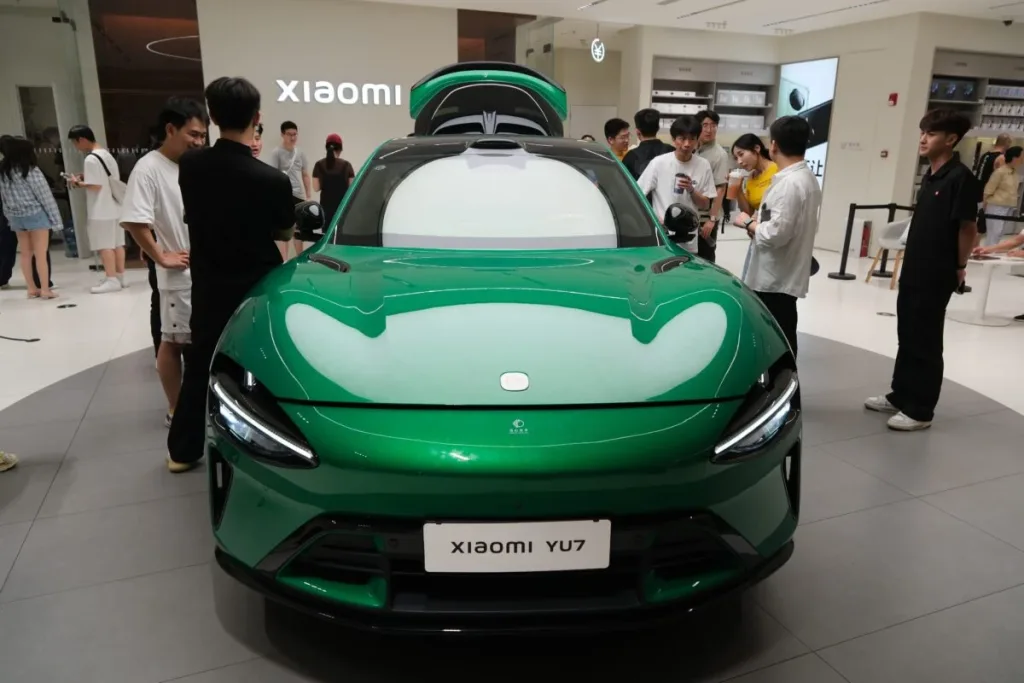
Xiaomi’s second model, the YU7 SUV, launched on June 26, 2024, and immediately set the market ablaze. Positioned as a direct Tesla Model Y competitor, the YU7 triggered an unprecedented order surge that pushed Xiaomi’s production facilities to their absolute limits.
Here’s where it gets interesting: YU7 deliveries nearly tripled from July to August. That kind of acceleration doesn’t happen by accident—it’s the result of strategic planning, consumer confidence, and a product that genuinely resonates with buyers.
The Wait That Proves Desirability
Want a Xiaomi EV? Get comfortable. Chinese customers ordering the SU7 sedan now face wait times stretching up to 38 weeks. The YU7 SUV? An astonishing 48 weeks. These aren’t production problems—they’re proof that Xiaomi created something people desperately want.
These extended wait times mirror Tesla’s early days, when demand consistently outpaced supply. For Xiaomi, it’s both a challenge and validation that their automotive gamble is paying off spectacularly.
Production Capacity: The Secret Weapon
Behind every successful delivery lies a robust production infrastructure. On September 25, reports emerged that Xiaomi EV planned to “dynamically optimize vehicle delivery cycles,” industry speak for dramatically accelerating how quickly cars reach customers.
The secret? Rapidly expanding production capacity. Sales personnel confirmed that factory improvements are enabling faster deliveries without compromising quality. It’s a delicate balance—scale quickly enough to meet demand but maintain the craftsmanship that made customers order in the first place.
Taking on Tesla: David Meets Goliath
Xiaomi positioned the SU7 as a direct Model 3 competitor, a bold move that raised eyebrows across the industry. But bold moves are Xiaomi’s specialty. The company that disrupted smartphones with affordable, high-quality devices is applying the same playbook to electric vehicles.
The YU7 SUV takes this competition further, challenging Tesla’s best-selling Model Y. With competitive pricing, cutting-edge technology, and the backing of Xiaomi’s massive ecosystem, they’re not just participating in the EV revolution—they’re helping lead it.
What This Means for the EV Industry
Xiaomi’s September success signals broader trends reshaping automotive manufacturing. Tech companies aren’t just dabbling in cars anymore—they’re becoming formidable competitors. Their software expertise, supply chain mastery, and understanding of consumer preferences give them unexpected advantages.
For consumers, this competition means better vehicles, more choices, and competitive pricing. For traditional automakers, it’s a wake-up call that the rules have fundamentally changed.
The Road Ahead
With production capacity expanding and two strong models in their lineup, Xiaomi EV’s trajectory appears unstoppable. September’s 40,000-delivery milestone is likely just the beginning. As production scales and delivery times shrink, expect these numbers to climb even higher.

