


Picture this: You’re on a road trip, your electric vehicle needs charging, and instead of waiting two hours, you’re back on the road in just 45 minutes. That’s not wishful thinking – it’s the reality Stellantis just unveiled with their groundbreaking IBIS battery system.
The automotive giant behind Jeep, Dodge, and Peugeot has cracked one of electric vehicles’ biggest puzzles: how to make batteries lighter, faster-charging, and more affordable simultaneously. Their answer? The Intelligent Battery Integrated System (IBIS) – a technology so revolutionary it eliminates the need for separate inverters and chargers entirely.
Table of Contents
The Technology That Changes Everything
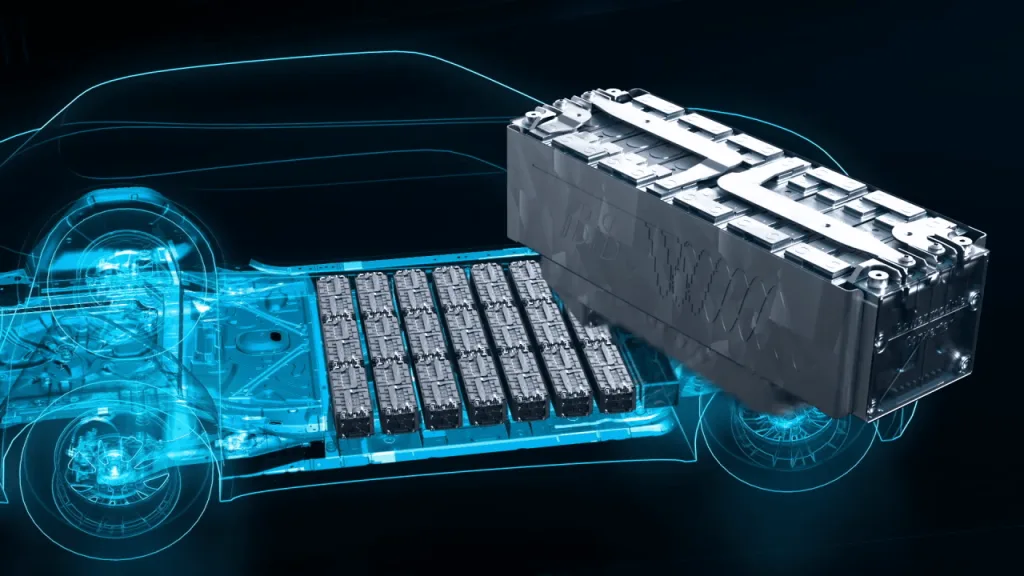
The IBIS was developed in partnership with TotalEnergies subsidiary Saft and is one of the first of its kind, providing weight and space savings while being easier to service. But the real magic lies in the numbers:
| IBIS Battery Advantages | Improvement |
|---|---|
| Efficiency Boost | 10% more efficient than same-sized batteries |
| Weight Reduction | 88 pounds (40 kg) lighter |
| Charging Speed | 15% faster charging times |
| Time Savings | Reduces charging by one full hour |
| Integration | Eliminates separate inverter & charger |
| Control System | 200 electronic transistors for precision |
How IBIS Rewrites EV Rules
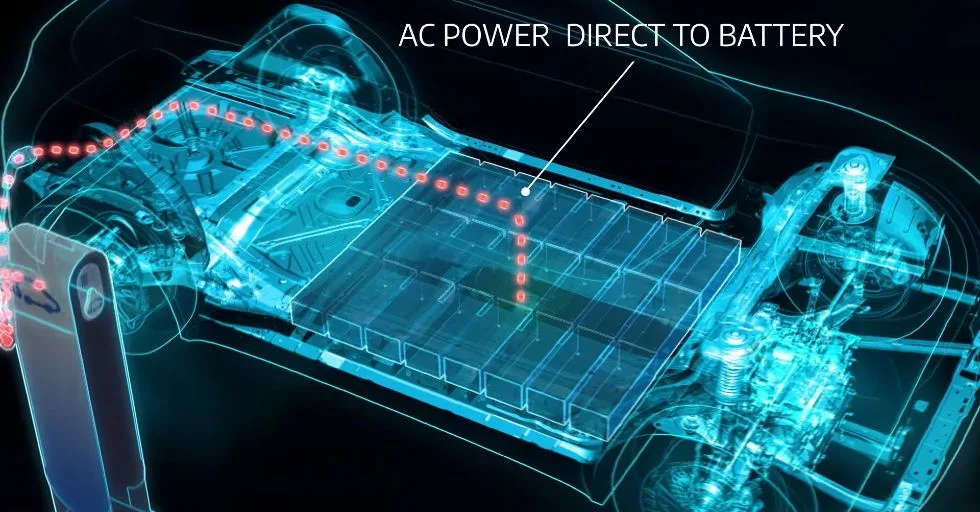
Traditional electric vehicles are like smartphones with separate battery packs, chargers, and power converters. IBIS is like having everything integrated into one seamless unit. Contemporary EVs use an inverter to convert the battery’s direct current into alternating current to power the electric motor, while in charging mode, alternating current from the grid is converted into direct current for the battery.
IBIS eliminates this complexity by integrating these functions directly into the battery using electronic control via 200 transistors. It’s engineering elegance at its finest – doing more with less.
Real-World Impact: The Peugeot Proof
Theory meets reality on the roads of France, where the new IBIS battery is now undergoing road tests in a Peugeot e-3008. This isn’t laboratory science – it’s proven technology being validated in real driving conditions.
The test results speak volumes about IBIS’s potential to transform electric mobility from a compromise into a preference.
Solving EV’s Biggest Problems
A lack of affordable models and slow charging times have been a barrier to broader public acceptance of EVs. IBIS attacks both issues head-on:
The Affordability Factor: By eliminating separate components, IBIS reduces manufacturing complexity and costs. Fewer parts mean lower prices and easier maintenance.
The Charging Speed Revolution: One hour less charging time isn’t just convenient – it’s transformative. It turns cross-country road trips from exercises in patience into spontaneous adventures.
The Weight Advantage: 88 pounds might not sound dramatic, but in automotive terms, it’s huge. Less weight means better efficiency, longer range, and improved handling.
Industry Competition Heats Up
Stellantis isn’t alone in pursuing integrated battery technology. German manufacturer Porsche is also working on the concept of a “modular multi-level inverter” integrating numerous separate electrical components into a single unit.
This parallel development confirms IBIS isn’t just innovation – it’s the future direction of the entire automotive industry.
The Timeline: When IBIS Hits the Streets
According to the Franco-Italian-American automaker, this technology could be integrated into its production vehicles by the end of the decade. That puts IBIS-powered Jeeps, Dodges, and Peugeots in showrooms by 2030.
For context, that’s faster than most automotive innovations typically take to reach consumers.
Why IBIS Matters Beyond Stellantis
This breakthrough represents more than corporate innovation – it’s a glimpse into electric mobility’s mature future. When batteries become lighter, charge faster, and cost less, the last barriers to EV adoption crumble.
For Consumers: Better performance at lower costs For Infrastructure: Reduced charging station congestion For Environment: Faster EV adoption means cleaner transportation For Industry: New benchmarks for efficiency and integration
The Bigger Picture
“This milestone marks a major step forward in the electrification of mobile and stationary energy applications,” Stellantis said in a press release. The implications extend beyond cars to energy storage, grid applications, and renewable energy integration.
IBIS isn’t just about better batteries – it’s about smarter energy systems that work seamlessly across applications.
What This Means for You
If you’re considering an electric vehicle, IBIS changes the equation. The traditional trade-offs between performance, charging speed, and cost are becoming obsolete. The technology proves that electric vehicles don’t have to compromise – they can excel.
For current EV owners, IBIS represents the rapid pace of battery innovation. Today’s limitations are tomorrow’s solved problems.
The Bottom Line
Stellantis’s IBIS battery doesn’t just improve electric vehicles – it reimagines them. By integrating components that were previously separate, reducing weight, and accelerating charging, IBIS addresses every major concern about electric mobility.
The future of driving isn’t just electric – it’s intelligent, integrated, and arriving faster than expected.

