

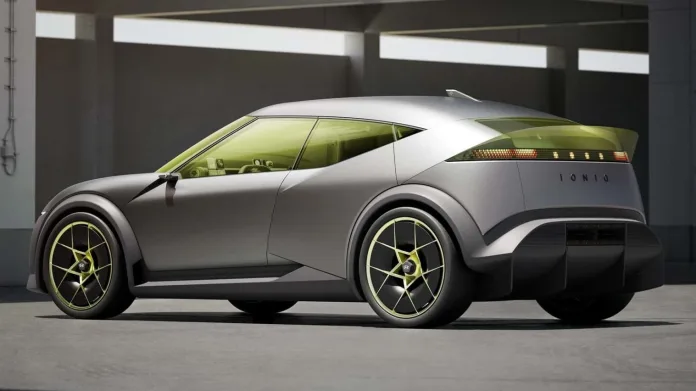

The automotive industry is witnessing a seismic shift, and Hyundai Motor Company is leading the charge with its ambitious 2030 vision. The South Korean giant has unveiled a game-changing roadmap that positions India at the heart of its global electric vehicle (EV) strategy, promising to transform how Indians drive and experience mobility.
Table of Contents
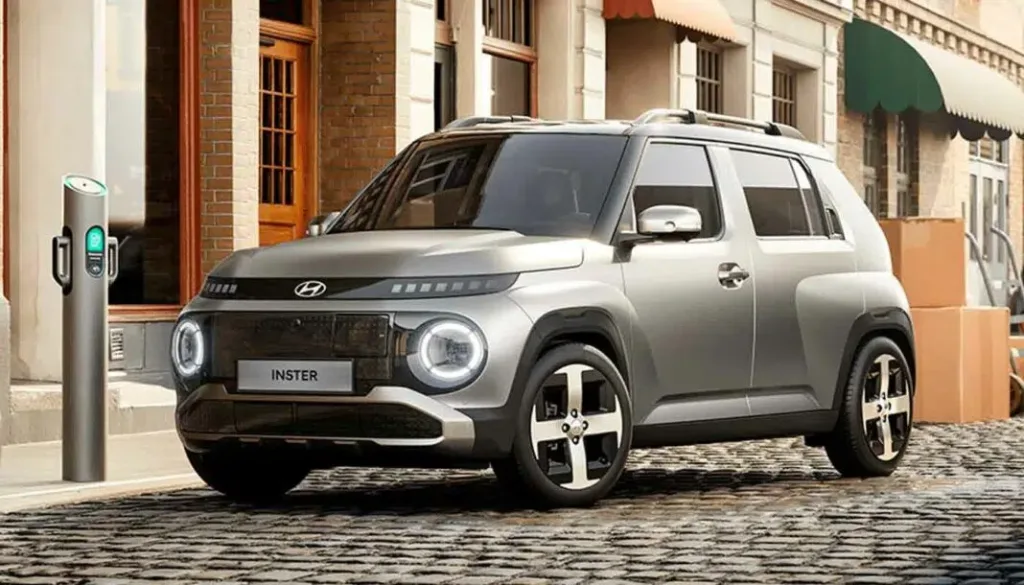
India Gets Its First Locally-Designed EV
India will receive the country’s first EV designed specifically for local drivers, while the market will also benefit from a localized supply chain, marking a revolutionary approach to electric mobility in the subcontinent. This isn’t just another import adaptation – it’s a vehicle born from understanding Indian roads, climate, and driving patterns.
The locally-designed EV represents Hyundai’s commitment to the “Make in India” initiative, ensuring that Indian consumers get vehicles tailored to their unique needs rather than one-size-fits-all global models.
Massive Production Expansion: Numbers That Matter
Hyundai’s production strategy is nothing short of impressive. Globally, the company plans to accelerate its production capacity by adding 1.2 million units by 2030. This includes 250,000 units from the Pune multi-model export hub in India, positioning the country as a crucial manufacturing and export center.
Hyundai’s 2030 Global Production Breakdown
| Region | Additional Units | Purpose |
|---|---|---|
| India (Pune Hub) | 250,000 | Multi-model export hub |
| USA (HMGMA) | 500,000 | American market focus |
| Korea (Ulsan) | 200,000 | Dedicated EV plant |
| Total Global Increase | 1.2 million | Worldwide expansion |
Electrification at Scale: The 60% Target
The carmaker is targeting 5.55 million global sales by 2030 with electrified models expected to make up nearly 60 per cent of that figure. This aggressive target demonstrates Hyundai’s commitment to leading the electric revolution, not just participating in it.
The strategy encompasses both pure electric vehicles and hybrid models, ensuring a comprehensive approach to sustainable mobility that caters to different consumer preferences and infrastructure readiness.
What This Means for Indian Consumers
Immediate Benefits:
- Tailored Solutions: Vehicles designed specifically for Indian conditions
- Cost Effectiveness: Local manufacturing reduces import duties and costs
- Service Network: Enhanced support through localized supply chains
- Export Quality: India-made vehicles meeting global export standards
Long-term Impact:
- Job Creation: Expanded manufacturing creates employment opportunities
- Technology Transfer: Advanced EV technology development in India
- Environmental Benefits: Reduced carbon footprint through local production
- Energy Independence: Decreased reliance on imported fossil fuels
The Hybrid Bridge Strategy
The company is also preparing to bring hybrid models to India as part of its broader electrification strategy, recognizing that the transition to full electrification needs practical stepping stones. This approach acknowledges India’s developing charging infrastructure while providing immediate benefits of reduced emissions and improved fuel efficiency.
Market Positioning and Competition
Hyundai’s 2030 roadmap positions the company to compete aggressively with both traditional automakers and new-age EV startups. By focusing on local design and manufacturing, Hyundai is creating a sustainable competitive advantage that combines global expertise with local insights.
The strategy also aligns with India’s National Electric Mobility Mission Plan and the government’s push for 30% electric vehicle adoption by 2030.
Conclusion: A New Era of Mobility
Hyundai’s 2030 roadmap isn’t just about selling more cars – it’s about reimagining mobility for the world’s largest democracy. With India-specific EVs, massive production expansions, and a clear path to electrification, Hyundai is betting big on India’s electric future.
This comprehensive strategy positions Hyundai not just as a car manufacturer, but as a mobility partner for India’s sustainable development journey. As we move toward 2030, Indian consumers can expect vehicles that truly understand their needs while contributing to a cleaner, greener future.
The question isn’t whether Hyundai will succeed in India – it’s how quickly Indian consumers will embrace this electric revolution designed specifically for them.

