



Electric vehicle drivers are about to get the range boost they’ve been dreaming of. Panasonic, Tesla’s key battery supplier, has announced a revolutionary anode-free battery technology that promises to deliver 25% more capacity within two years. This isn’t just another incremental improvement – it’s a breakthrough that could fundamentally change how far electric vehicles can travel on a single charge.
Table of Contents
What Makes Panasonic’s New EV Battery Revolutionary?
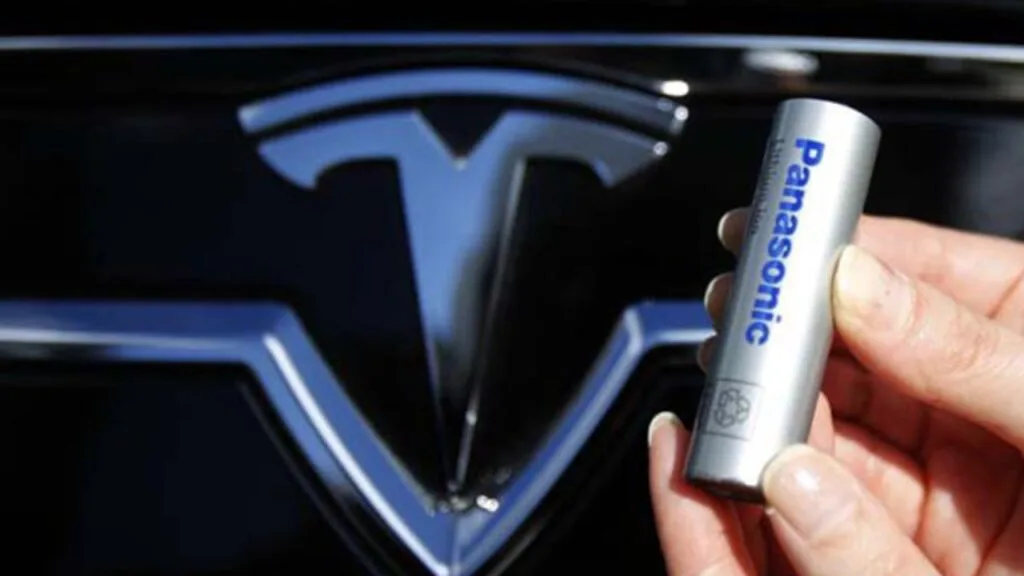
Panasonic aims to develop a new type of higher-capacity battery in about two years, potentially extending the driving range of electric vehicles in a groundbreaking advance for the Tesla supplier. The Japanese giant is working on eliminating the anode during manufacturing to create what they call “world-leading level” battery capacity.

Breakthrough Performance Metrics
| Innovation Feature | Technical Advancement | Real-World Impact |
|---|---|---|
| Anode-Free Design | No anode at manufacturing stage | 25% capacity increase |
| Tesla Model Y Range | Current + 90 miles (145 km) | Extended road trip capability |
| Battery Pack Options | Same range, smaller size | Lighter, potentially cheaper EVs |
| Timeline to Market | End of 2027 | Commercial availability in 3 years |
How Anode-Free Technology Works
The innovation lies in Panasonic’s clever manufacturing approach. Panasonic’s proposed design has no anode at the manufacturing stage. Instead, a lithium metal anode is formed in the battery after being charged for the first time.
The Science Made Simple: Traditional batteries waste space with pre-built anodes. Panasonic’s design creates the anode only when needed, freeing up room for more active cathode materials like nickel, cobalt, and aluminum. This maximizes energy storage without increasing battery size.
Manufacturing Advantage: This approach allows Panasonic to boost capacity without changing battery volume, offering manufacturers flexibility in design choices.
Real-World Impact for EV Drivers
Extended Range: If achieved, the improvement would lead to a 25% increase in battery capacity, thus boosting the driving range of Tesla’s most affordable sport-utility vehicle, the Model Y, by almost 90 miles (about 145 km), at current battery pack size.
Flexible Applications: The technology offers two compelling paths:
- Maximum Range: Keep current battery size, gain 25% more miles
- Lighter Design: Maintain current range with smaller, lighter battery packs
This flexibility means automakers can choose between longer range for highway-focused vehicles or weight reduction for city-optimized models.
Market Context and Competitive Advantage
The announcement comes at a crucial time for Tesla and the broader EV market. Reuters reported this month that Tesla’s U.S. market share dropped to its lowest in almost eight years in August as buyers chose electric vehicles from a growing stable of rivals over the ageing line-up offered by Elon Musk’s company.
Why This Technology Matters Now
Competition Pressure: As Tesla faces increased competition, superior battery technology could help maintain market leadership Range Anxiety Solution: 25% more range directly addresses the primary concern preventing EV adoption Cost Optimization: Lighter batteries could reduce manufacturing costs and vehicle prices
Technical Innovation Behind the Breakthrough
Panasonic’s approach represents a significant engineering achievement in battery chemistry:
Material Efficiency: This would free up room for more active cathode materials — nickel, cobalt and aluminium — to boost capacity without changing the volume.
Cost Reduction Strategy: Panasonic said it also aims to reduce the proportion of nickel, which is relatively more expensive. This dual approach of increasing capacity while reducing expensive materials could make EVs more affordable.
Global Competition: This technology is also being pursued by multiple global battery producers. Panasonic’s timeline suggests they’re racing to be first to market with this breakthrough.
Timeline and Commercial Availability
Development Target: Two years for technology completion Market Launch: End of 2027 for commercial production Tesla Integration: Likely first deployment in Tesla vehicles given existing partnership
The relatively aggressive timeline suggests Panasonic has made significant progress in overcoming traditional anode-free battery challenges like durability and manufacturing complexity.
What This Means for Your Next EV Purchase
Current Buyers: Today’s EVs will likely see this technology in next-generation models Future Planning: 2028+ vehicle purchases could benefit from this breakthrough Market Evolution: Expect competitors to announce similar technologies as they respond to Panasonic’s advance
Industry Impact and Future Implications
This breakthrough positions Panasonic at the forefront of battery innovation, potentially giving Tesla a significant competitive advantage. The technology could accelerate overall EV adoption by eliminating range anxiety – the primary barrier preventing mainstream electric vehicle acceptance.
Manufacturing Flexibility: The ability to choose between extended range or reduced weight gives automakers unprecedented design freedom Cost Dynamics: Reduced reliance on expensive nickel could make EVs more price-competitive with traditional vehicles Market Leadership: First-mover advantage in anode-free technology could define market winners in the late 2020s
As the electric vehicle market matures, breakthrough technologies like Panasonic’s anode-free batteries represent the innovation needed to make EVs the clear choice for all drivers, not just early adopters.

