


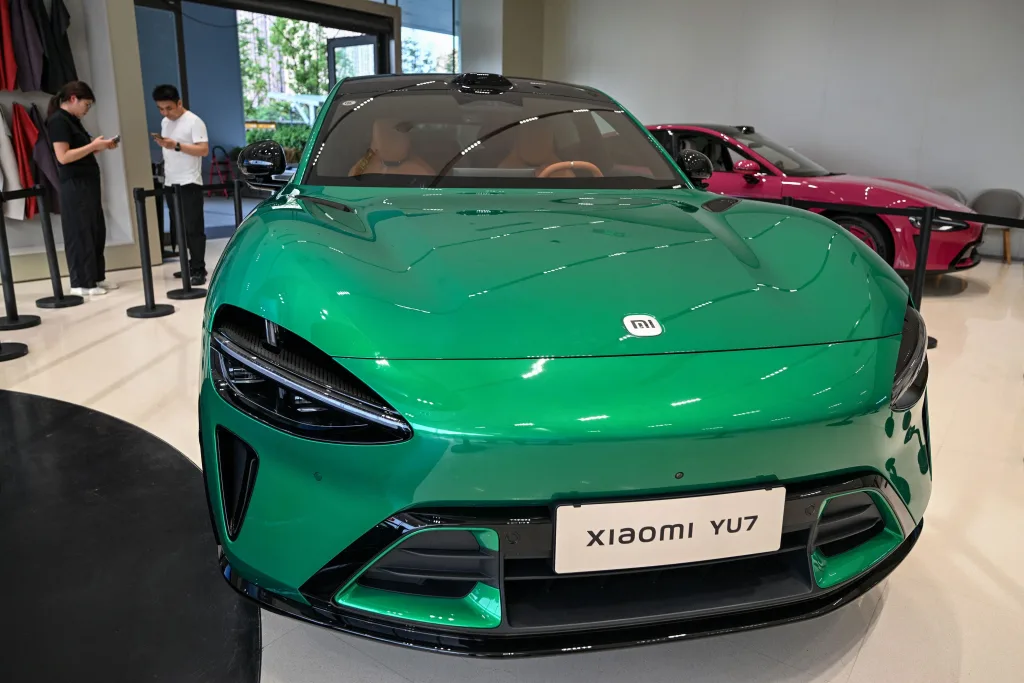
Imagine ordering a car and finding yourself in a queue behind 200,000 other buyers – all within just three minutes of launch. That’s exactly what happened when Xiaomi unleashed their YU7 electric SUV, proving that the smartphone giant isn’t just disrupting phones anymore. They’re rewriting the entire luxury car playbook, one electric mile at a time.
In a jaw-dropping display of market dominance, Xiaomi secured 200,000 orders in just three minutes for their £25,000 (₹16 lakh) YU7 EV, sending shockwaves through the automotive world. This isn’t just another Chinese car launch – it’s a declaration of war against Tesla, Porsche, and every luxury automaker that thought they were untouchable.
Table of Contents
The Numbers That Are Terrifying Luxury Car Makers
The Xiaomi YU7’s launch numbers aren’t just impressive – they’re industry-changing. While the original article mentions 12,000 orders in 3 months, the reality is even more staggering. After selling 258,000 units of their first EV, the SU7 sedan, in just 12 months, Xiaomi has proven they’re not a one-hit wonder.
Here’s what has luxury car executives losing sleep:
Launch Performance Breakdown
| Metric | Xiaomi YU7 | Industry Impact |
|---|---|---|
| Pre-orders (3 minutes) | 200,000 units | Fastest EV launch in history |
| Price Point | £25,000 (₹16 lakh) | Half the cost of luxury rivals |
| Previous Model Sales | 258,000 SU7s in 12 months | Outselling established brands |
| Target Competitor | Tesla Model Y, Porsche Macan EV | Direct luxury segment assault |
What Makes YU7 a Luxury Killer
| Feature | YU7 Advantage | Luxury Rival Challenge |
|---|---|---|
| Price-Performance | Premium features at mid-range pricing | Porsche/Tesla pricing pressure |
| Range | 500-mile capability | Matching premium standards |
| Technology | Smartphone-grade integration | Superior user experience |
| Production Scale | Mass manufacturing expertise | Faster delivery times |
The David vs. Goliath Story Unfolding
Picture this: A smartphone company decides to build cars and within two years, they’re outselling automotive giants who’ve been perfecting their craft for decades. “Our goal is to build a vehicle that matches up to Porsche and Tesla models, a dream car for the new era of the automobile industry,” says Xiaomi chairman Lei Jun.
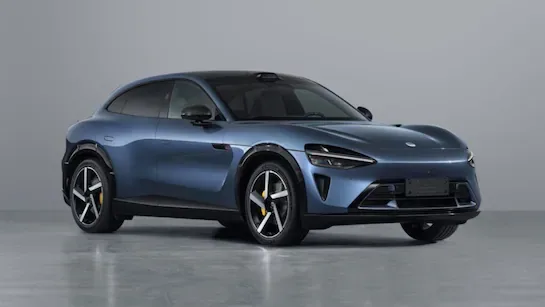
This isn’t empty boasting. The YU7’s specs are clearly designed to outrival the Porsche Macan EV, while positioning itself as China’s answer to the Tesla Model Y. The result? Western luxury automakers should fear the increasingly sophisticated (and cheap) EVs China is churning out.
Why Traditional Luxury Brands Are Panicking
The YU7 isn’t just competing on price – it’s redefining what luxury means in the electric age. Called the YU7, Xiaomi’s second model is an electric SUV gunning to challenge rivals like the hot-selling Tesla Model Y and recently launched Porsche Macan Electric.
What makes this particularly threatening is Xiaomi’s approach. They’re not trying to be a traditional car company – they’re building cars like smartphones: feature-packed, competitively priced, and upgraded continuously through software updates.
The design strategy is equally disruptive. The SU7 is almost a direct clone of the Porsche Taycan at half the price, knocking Porsche out of China. Now with the YU7, they’re applying the same formula to the SUV market.
The Technology Revolution Behind the Success
Xiaomi’s secret weapon isn’t just lower manufacturing costs – it’s their ecosystem approach. When you buy a YU7, you’re not just getting a car; you’re getting a mobile extension of your digital life. The integration between Xiaomi phones, smart home devices, and now vehicles creates a seamless experience that traditional automakers struggle to match.
The YU7 launched at a Xiaomi full-ecosystem product event on 26 June 2025, with pre-orders opening immediately after. This ecosystem approach means customers aren’t just buying transportation – they’re investing in a connected lifestyle.
Global Implications: The Luxury Car Recession
While there’s no danger of the YU7 appearing in the US anytime soon due to trade tensions, its impact extends far beyond Chinese borders. The success proves that consumers worldwide are ready for luxury features without luxury prices.
As China’s electric-vehicle industry expands globally, design mimicry is reshaping competition. Traditional luxury brands now face a choice: adapt to this new reality or watch their market share evaporate.
The Human Story: Democratizing Luxury
Behind these numbers are millions of consumers who previously couldn’t afford luxury EVs now accessing premium features at accessible prices. The YU7 represents something profound: the democratization of automotive luxury.
Young professionals in Beijing, families in Mumbai, entrepreneurs in Bangkok – all suddenly have access to technology and features that were once exclusive to the wealthy. This isn’t just market disruption; it’s social transformation.
What This Means for the Future
The Xiaomi YU7‘s explosive success signals a fundamental shift in the automotive industry. A recent review revealed just how far behind the US market is compared to China’s Tesla Model Y fighters.
The question isn’t whether Chinese EVs will disrupt global luxury car markets – it’s how quickly traditional manufacturers can adapt before they become irrelevant.
For consumers, this competition means better cars at lower prices. For the industry, it means the biggest shake-up since the invention of the assembly line.
The luxury car world will never be the same, and frankly, that’s exactly what it needed.

