

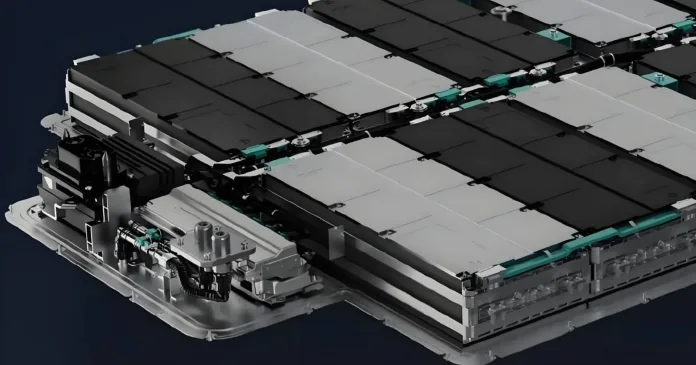

The electric vehicle industry is witnessing a game-changing moment. CATL, the world’s largest battery manufacturer, has just unveiled a revolutionary sodium-ion battery technology that promises to transform how we think about EVs. With an impressive 500-kilometer driving range and mass production starting in 2026, this breakthrough could make electric vehicles accessible to millions more drivers worldwide.
Table of Contents
What Makes CATL’s Sodium Ion Battery Special?
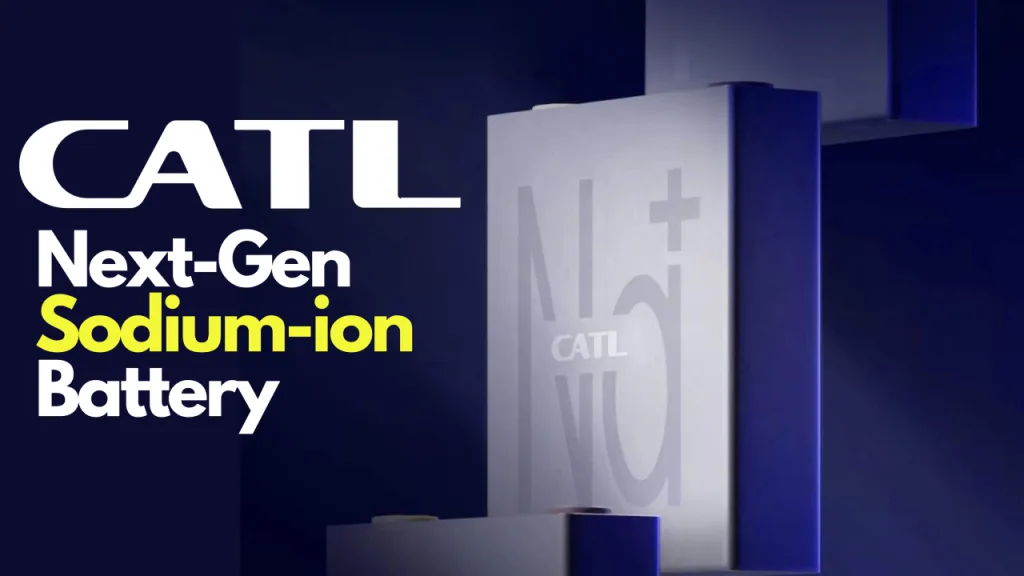
Contemporary Amperex Technology Co., Limited (CATL) has achieved what many thought impossible – creating sodium ion batteries that deliver both performance and practicality. This isn’t just another incremental improvement; it’s a fundamental shift in battery technology.
Key Performance Metrics
| Specification | Achievement | Industry Impact |
|---|---|---|
| Energy Density | 175 Wh/kg | Competitive with early lithium-ion |
| Driving Range | 500+ kilometers | Eliminates range anxiety |
| Operating Temperature | -40°C to 70°C | Perfect for extreme climates |
| Market Share Potential | 40% of passenger vehicles | Massive commercial opportunity |
Why Sodium-Ion Batteries Matter for EV Adoption?
Cold Weather Performance: Unlike lithium-ion batteries that struggle in freezing temperatures, CATL’s sodium ion technology thrives in conditions as low as -40°C. This breakthrough opens up vast markets in northern regions where EVs previously underperformed.
Enhanced Safety: The technology has achieved China’s GB 38031-2025 safety certification – becoming the first globally to meet this stringent standard. This addresses two critical EV concerns: fire risks and thermal stability.
Resource Independence: Sodium is abundant and widely available, unlike lithium which faces supply chain constraints. This reduces dependency on scarce materials and potentially lowers costs for consumers.
The Commercial Timeline
CATL isn’t just talking about future possibilities – they’re delivering real solutions:
2024: Active collaboration with automotive partners on passenger car integration 2025: Production readiness based on customer schedules 2026: Mass supply begins for commercial markets
The company has already launched the world’s first mass-produced sodium ion batteries in April, including specialized versions for cars and trucks.
Market Impact and Accessibility
The numbers tell a compelling story. CATL estimates their sodium ion batteries could satisfy over 40% of domestic passenger vehicle demand. This isn’t just about market share – it’s about making EVs accessible to everyday drivers who’ve been waiting for the right combination of performance and affordability.
Universal Compatibility Advantage
CATL’s engineering team solved a crucial adoption barrier: compatibility. Their battery packs work seamlessly with standard No. 20 and No. 25 modules, including battery swap formats. This means:
- Manufacturers can integrate the technology without major redesigns
- Consumers benefit from existing infrastructure
- Service networks can support the technology immediately
Environmental and Economic Benefits
This breakthrough addresses multiple industry challenges simultaneously:
Carbon Footprint Reduction: Sodium ion batteries have a significantly lower environmental impact during production compared to lithium-ion alternatives.
Supply Chain Stability: Reduced reliance on rare earth materials creates more predictable pricing and availability.
Global Accessibility: Lower material costs and improved cold-weather performance expand EV viability to regions previously underserved.
What This Means for EV Buyers
For consumers considering electric vehicles, CATL’s sodium ion breakthrough represents a watershed moment:
Extended Range: 500+ kilometers addresses the primary concern about EV practicality Weather Reliability: Consistent performance regardless of climate conditions Future-Proof Technology: Investment in proven, scalable battery technology Broader Model Availability: More manufacturers will likely adopt this cost-effective solution
The Road Ahead
CATL’s sodium ion battery technology isn’t just another incremental improvement – it’s a fundamental shift that could accelerate global EV adoption. By solving key challenges around range, temperature performance, and resource availability, this breakthrough positions electric vehicles as truly viable alternatives to traditional cars.
As production ramps up in 2026, we’re likely to see a new wave of affordable, reliable electric vehicles that work everywhere from tropical cities to arctic highways. The question isn’t whether this technology will succeed, but how quickly it will reshape the entire automotive landscape.

