

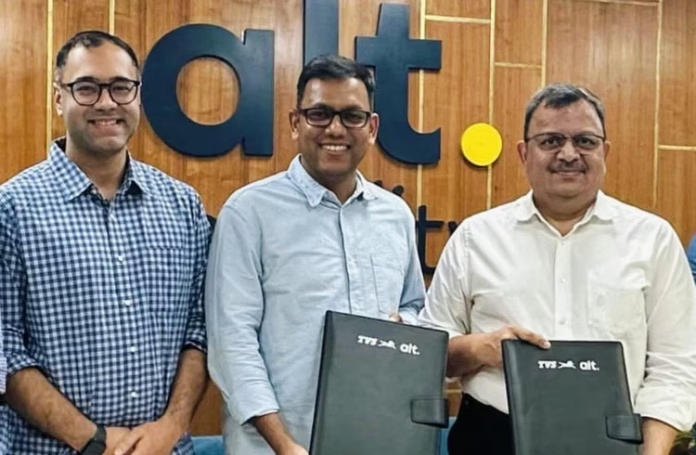

In a groundbreaking move to accelerate India’s electric mobility revolution, TVS Motor Company has partnered with ALT Mobility to deploy 3,000 electric three-wheelers during FY 2025-26. This strategic collaboration promises to transform last-mile transportation and make electric mobility accessible to thousands of drivers across India through an innovative leasing model.
Table of Contents
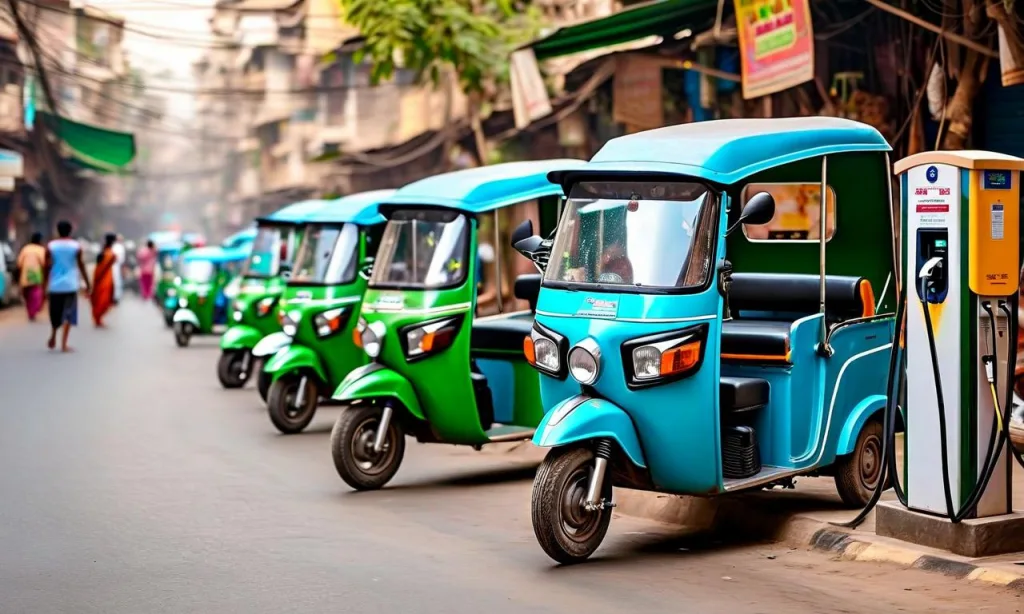
The Partnership at a Glance
TVS Motor Company announced this strategic partnership through a regulatory filing, outlining a comprehensive collaboration that addresses key barriers to electric vehicle adoption in India’s commercial transportation sector.
Key Partnership Details
| Partnership Aspect | Details |
|---|---|
| Vehicle Deployment | 3,000 electric three-wheelers |
| Timeline | FY 2025-26 |
| Vehicle Types | Passenger and cargo variants |
| Business Model | Drive-to-Own leasing program |
| Target Market | Individual drivers and fleet operators |
How the Collaboration Works
Role Distribution
As per the agreement, TVS Motor Company will provide the electric three-wheelers, both passenger and cargo, while ALT Mobility will procure, lease, and finance them through its ecosystem. This division of responsibilities ensures each company leverages its core strengths for maximum impact.
The Drive-to-Own Model
The TVS electric three-wheelers will be deployed under Alt Mobility’s Drive-to-Own leasing model to individual and fleet operators for cargo and passenger transport. This innovative approach allows drivers to eventually own their vehicles while starting with affordable lease payments.
Strategic Impact on India’s EV Ecosystem
Addressing Market Barriers
The collaboration tackles several critical challenges faced by potential electric three-wheeler adopters:
- High upfront costs through accessible leasing options
- Financing challenges for individual drivers
- Technology uncertainty with proven TVS vehicles
- Maintenance concerns through comprehensive ecosystem support
- Range anxiety with optimized vehicle specifications
Market Expansion Strategy
The partnership aims to enable the leasing and deployment of up to 3,000 TVS electric three-wheelers, both passenger and cargo, during FY 2025–26, representing a significant expansion in India’s electric commercial vehicle segment.
About the Partners
TVS Motor Company’s EV Leadership
TVS Motor Company brings to the partnership:
- Proven manufacturing expertise in electric vehicles
- Extensive dealer network for vehicle distribution and service
- Strong brand reputation in the three-wheeler segment
- Technical innovation in electric mobility solutions
- Quality assurance and reliability standards
ALT Mobility’s Ecosystem Approach
ALT Mobility contributes:
- Innovative financing solutions for electric vehicle adoption
- Comprehensive leasing models tailored for commercial users
- Technology platform for fleet management and operations
- Driver-centric approach to vehicle ownership
- Ecosystem partnerships for holistic support
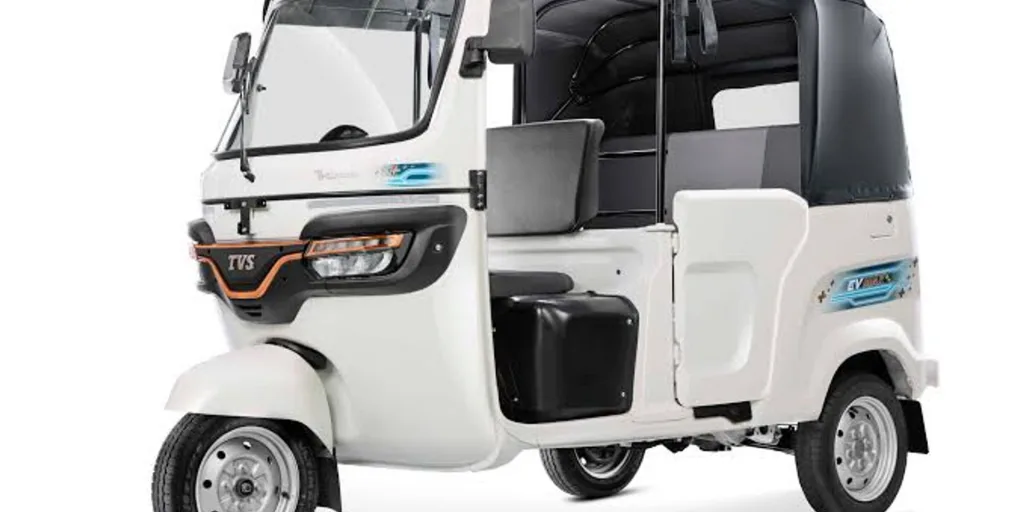
Vehicle Specifications and Deployment
Comprehensive Vehicle Range
The models, variants, and specifications will be jointly finalised, ensuring the deployed vehicles meet specific market requirements and operational needs of drivers and fleet operators.
Distribution Strategy
| Deployment Aspect | Approach |
|---|---|
| Vehicle Supply | Through TVS Motor’s authorized network |
| Geographic Coverage | Across India |
| Target Segments | Last-mile delivery and passenger transport |
| Fleet Size | Up to 3,000 units in FY26 |
| Service Support | Integrated ecosystem approach |
Market Implications
For Drivers and Fleet Operators
The partnership offers significant benefits:
- Lower barrier to entry for electric vehicle adoption
- Predictable monthly payments through leasing model
- Path to ownership via Drive-to-Own structure
- Comprehensive support through authorized networks
- Reduced operational costs compared to traditional vehicles
Industry Impact
TVS Motor has teamed up with ALT Mobility to deploy 3,000 electric three-wheelers in India this fiscal, strengthening sustainable transport and expanding the shared mobility ecosystem.
This collaboration sets a precedent for:
- OEM-fintech partnerships in the EV space
- Scaled deployment of electric commercial vehicles
- Innovative financing models for sustainable transportation
- Ecosystem-based approaches to vehicle adoption
Technology and Innovation Focus
Joint Product Development
The partnership emphasizes collaborative development, with both companies working together to finalize vehicle specifications that optimize:
- Operational efficiency for commercial applications
- Cost-effectiveness for driver economics
- Reliability and durability for daily operations
- Charging infrastructure compatibility
- Digital connectivity for fleet management
Future Scalability
Could this partnership redefine clean urban transport and last-mile logistics? The collaboration aims to make electric mobility more accessible while supporting drivers, indicating potential for expansion beyond the initial 3,000 vehicle deployment.
Economic and Environmental Benefits
Driver Economics
The Drive-to-Own model provides:
- Affordable entry into electric vehicle ownership
- Improved earnings potential through lower operating costs
- Asset building opportunity for individual drivers
- Reduced dependency on traditional vehicle financing
- Enhanced livelihood stability through reliable transportation
Environmental Impact
Deploying 3,000 electric three-wheelers contributes to:
- Reduced carbon emissions in urban transportation
- Improved air quality in cities
- Noise pollution reduction from electric powertrains
- Sustainable last-mile logistics solutions
- Green transportation ecosystem development
Looking Ahead: Transforming Urban Mobility
This partnership between TVS Motor and ALT Mobility represents more than just a business collaboration—it’s a blueprint for accelerating India’s transition to sustainable transportation. By combining TVS Motor’s manufacturing excellence with ALT Mobility’s innovative financing solutions, the partnership addresses real barriers that have slowed electric vehicle adoption among commercial users.
The success of this 3,000-vehicle deployment could pave the way for larger-scale collaborations and establish new standards for how OEMs and fintech companies can work together to democratize access to electric mobility.

