

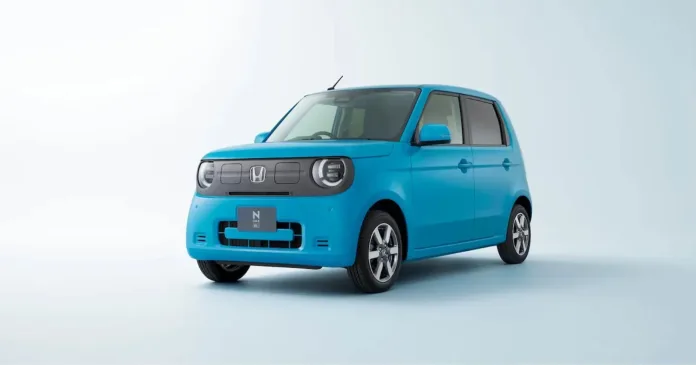

Honda N-ONE, Imagine walking into a dealership and driving out with a brand-new electric car for the price of a decent used sedan. Sounds impossible? Not in Japan, where Honda just dropped the automotive equivalent of a bombshell with the N-ONE e: – a tiny electric powerhouse starting at just €15,600.
Table of Contents
The Affordable EV Crisis Hitting Global Markets
Here’s the harsh reality: finding an electric car under €17,000 in Europe or the United States isn’t just difficult – it’s practically impossible. As car prices soar toward an eye-watering €44,400 average, millions of potential EV buyers are being priced out of the electric revolution.
While automakers keep promising “affordable EVs are coming,” Honda quietly launched one that makes those promises look like distant dreams.
Meet Japan’s Electric Game-Changer
Honda N-ONE e: Key Specifications
| Feature | Details |
|---|---|
| Starting Price | €15,600 (¥2.5 million) |
| Vehicle Category | Kei car (Japanese micro-vehicle) |
| Target Market | Urban commuters and city drivers |
| Availability | Japan only (currently) |
The Secret Behind the Price
The N-ONE e: isn’t just cheap by accident. It belongs to Japan’s fascinating “kei car” category – a unique class of micro-vehicles that follow strict government regulations but offer incredible benefits to owners.
What Makes Kei Cars So Special?
Think of kei cars as Japan’s solution to urban mobility challenges. These aren’t just small cars; they’re purpose-built for efficiency, affordability, and practicality.
Kei Car Regulations vs. Benefits
| Restrictions | Owner Benefits |
|---|---|
| Strict size limits | Reduced taxes |
| Engine power caps | Lower insurance costs |
| Design constraints | Easy parking privileges |
| Japan-specific rules | Government incentives |
Why Japan Loves These Tiny Giants
The numbers tell an incredible story: kei cars account for roughly 40% of all new car sales in Japan. That’s not a niche market—that’s an automotive revolution hiding in plain sight.
Perfect Urban Solutions: Japan’s notoriously narrow city streets make full-size cars impractical. Kei cars navigate these urban mazes with ease.
Economic Efficiency: Beyond the low purchase price, owners enjoy ongoing savings through reduced taxes, cheaper insurance, and lower running costs.
Cultural Fit: These vehicles align perfectly with Japanese values of efficiency, practicality, and environmental consciousness.
The Global Affordability Challenge
While Honda celebrates its €15,600 electric breakthrough in Japan, the rest of the world faces a frustrating reality:
Price Comparison Reality Check
| Region | Cheapest New EV | Honda N-ONE e Price | Difference |
|---|---|---|---|
| Europe | €25,000+ | €15,600 | €9,400+ more |
| United States | $28,000+ | €15,600 ($17,000) | $11,000+ more |
| Japan | Various options | €15,600 | Available now |
What This Means for Electric Vehicle Adoption
Honda’s N-ONE e: proves that affordable electric vehicles aren’t a future fantasy – they’re a present reality when manufacturers prioritize accessibility over luxury features.
The success formula is surprisingly simple:
- Right-size the vehicle for actual needs, not status symbols
- Focus on efficiency over impressive specifications
- Leverage government support through smart category positioning
- Understand local markets and their unique requirements
The Elephant in the Room: Global Availability
Unfortunately, Honda’s electric affordability breakthrough comes with a major catch – it’s staying in Japan. For now, European and American consumers can only dream of €15,600 electric cars while watching average prices climb toward €44,400.
Hope for the Future?
The N-ONE e: demonstrates that automakers can build affordable electric vehicles when they want to. Whether global markets will see similar options depends on manufacturers recognizing that not every EV needs to be a luxury technology showcase.
As governments worldwide push for electric vehicle adoption, Honda’s Japanese success story offers a roadmap: sometimes, smaller and simpler is exactly what consumers need.
The Honda N-ONE e: proves affordable electric cars are possible – now the question is whether the rest of the world will get the chance to buy one.

