

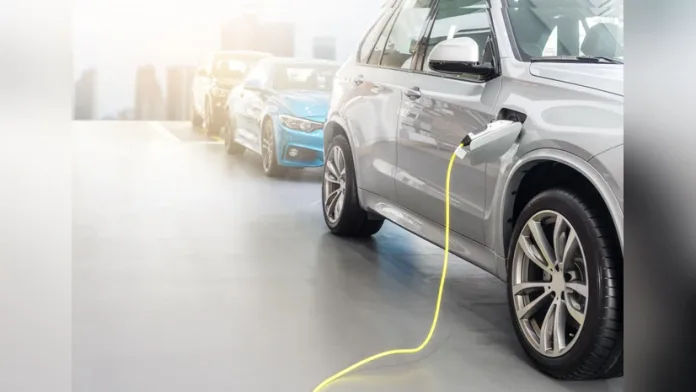

EV, India’s electric vehicle manufacturers collectively holding their breath as the GST Council meeting unfolds. The stakes? The future affordability of electric cars and India’s clean mobility dreams hanging in the balance. On Wednesday night, they finally exhaled in relief—the concessional 5% GST rate on EVs remains unchanged.
Table of Contents
The Storm Before the Calm
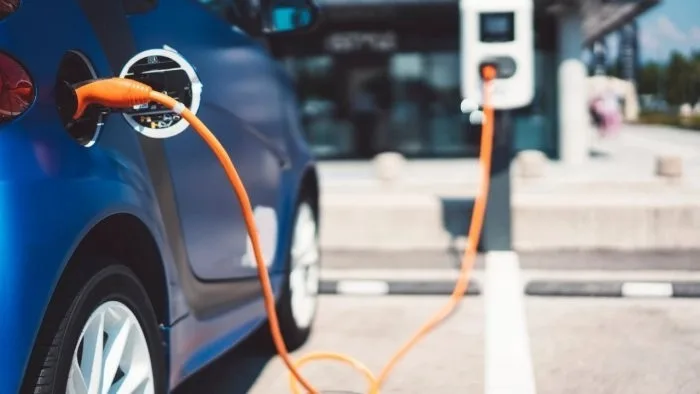
Before the Council meeting, media reports suggested that GST on electric cars priced between ₹20 lakh and ₹40 lakh could be raised to 18%, and to 28% for those above ₹40 lakh. These whispers sent shockwaves through India’s nascent EV industry, threatening to derail the momentum of sustainable transportation.
Industry Leaders Breathe Easy
The announcement brought visible relief across boardrooms. Shailesh Chandra, managing director of Tata Motors Passenger Vehicles, called it “a forward-looking move that reinforces India’s commitment to sustainable, zero-emission mobility.”
Rajesh Jejurikar, CEO of Mahindra’s Auto sector, praised the decision as “a critical enabler of India’s clean mobility vision.” Even luxury carmakers joined the celebration, with Mercedes-Benz and Volvo executives expressing gratitude for policy continuity.
Current GST Structure: Winners and Challenges
| Vehicle Category | Previous GST Rate | New GST Rate | Impact |
|---|---|---|---|
| Electric Vehicles | 5% | 5% (unchanged) | Continued affordability |
| Small ICE Cars | 28% | 18% | Increased EV competition |
| Large ICE Cars | ~50% (with cess) | 40% | Rationalized pricing |
| Strong Hybrids | ~43% (with cess) | 40% | Level playing field |
The Competitive Twist
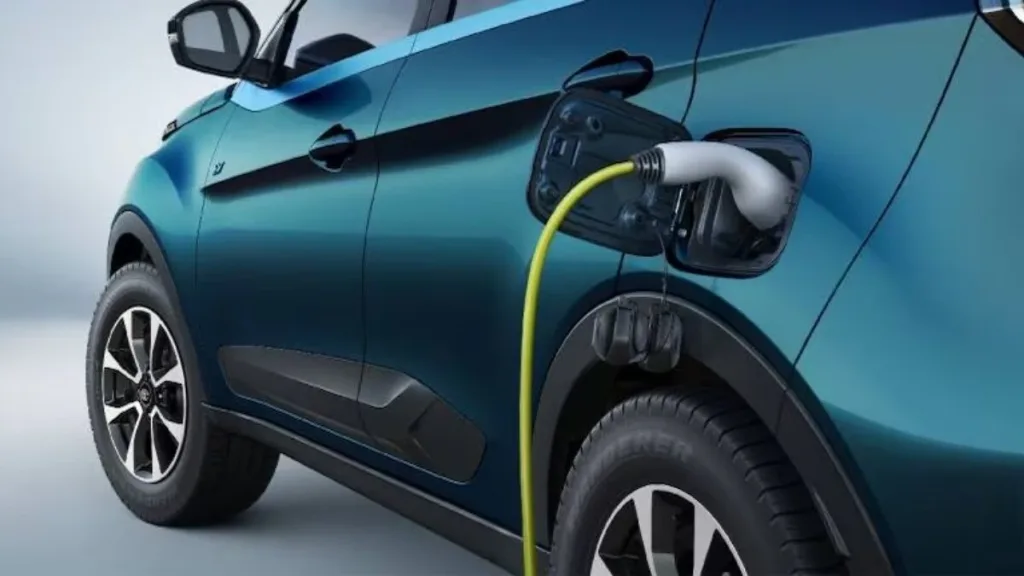
While EV makers celebrate, there’s a plot twist. Small petrol and diesel cars now attract a lower 18% levy, down from 28%. This creates fresh competitive pressure on electric vehicles in the mass market segment.
Toyota reiterated its demand for tax parity between EVs and hybrids, highlighting ongoing debates about which green technologies deserve maximum government support.
What This Means for Consumers
For car buyers, this decision signals policy stability in India’s EV transition. The retained 5% rate keeps electric vehicles financially attractive compared to conventional alternatives, supporting the government’s ambitious electrification goals.
However, cheaper small ICE cars might tempt budget-conscious buyers, making the EV value proposition more challenging to communicate.
The GST Council’s decision reflects India’s commitment to balancing fiscal needs with environmental goals—a delicate dance that will shape the country’s automotive future for years to come.

