

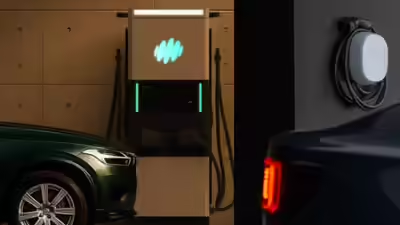

India’s electric vehicle revolution may be young, but it’s moving at lightning speed. Unprecedented growth in EV sales and charging infrastructure in 2024, setting a strong foundation for PM E-DRIVE to accelerate the shift toward a sustainable and net-zero future, marking a pivotal moment in the nation’s clean mobility journey.
Table of Contents
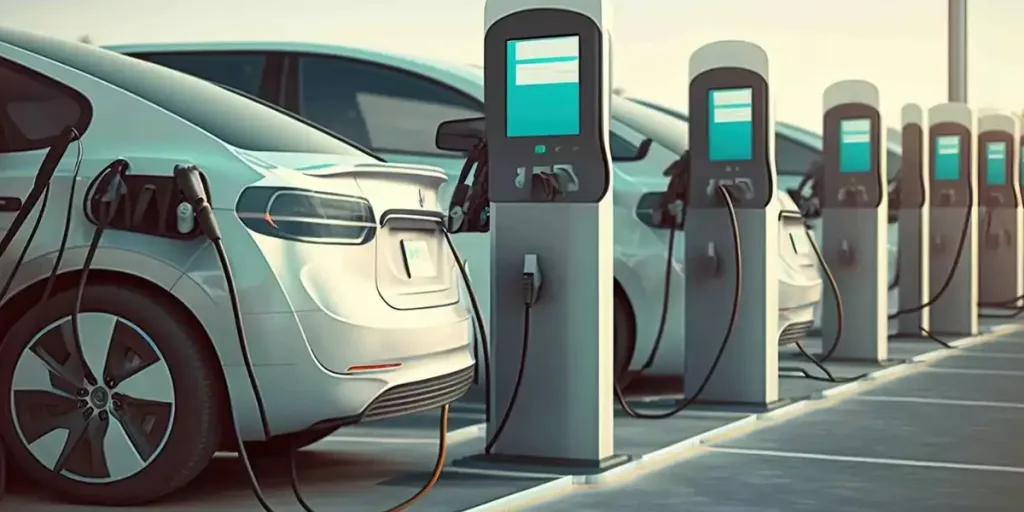
The Charging Infrastructure Race
India’s electric vehicle sector expands at an annual rate of 30 per cent-50 per cent, creating an urgent need for robust charging networks. Leading companies like Exicom are stepping up to meet this challenge, with CEO Anant Nahata planning to double their EV charger business by 2030.
Key Infrastructure Developments in 2024
| Company | Project Scale | Timeline | Impact |
|---|---|---|---|
| Servotech | 60kW & 120kW chargers | End of 2024 | National coverage |
| BPCL | 2,649 AC chargers | March 2024 | E-drive expansion |
| Exicom | 50% revenue target | By 2030 | Market leadership |
Strategic Placement Guidelines
The Indian government’s guidelines recommend a dense network of charging stations: at least one charging station in urban grids of 3 km x 3 km, and one station every 25 km on both sides of highways/roads. This systematic approach ensures comprehensive coverage across India’s diverse geography.
Industry Partnerships Drive Growth
Innovation thrives through collaboration. The partnership aims to integrate Exicom’s EV charging solutions with IONAGE’s software platform, enhancing charger discoverability, operational efficiency, and user convenience. Such partnerships are revolutionizing how Indians access and use EV charging infrastructure.
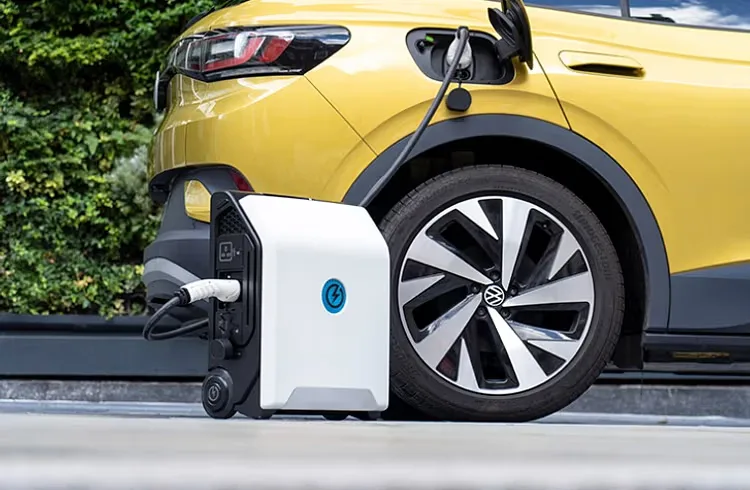
Anshuman Divyanshu, CEO of EVSE at Exicom, states: “Our intent is to meaningfully contribute to India’s growing emphasis on sustainable EV charging”, highlighting the industry’s commitment to eco-friendly solutions.
The Road Ahead
The growing importance of sustainable mobility for combating climate change, underscores the importance of robust EV charging infrastructure in India. With government support and private sector innovation, India’s EV charging network is rapidly transforming from a nascent concept to a nationwide reality.
This infrastructure boom positions India as a global leader in sustainable transportation, proving that emerging markets can leapfrog traditional technologies to embrace cleaner alternatives.

