

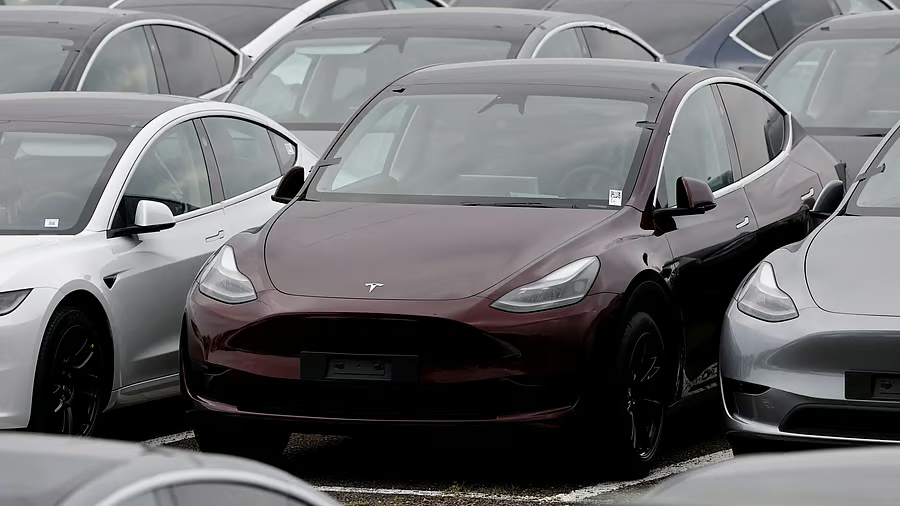

The electric vehicle revolution in India just got a dose of reality. Tesla’s much-anticipated entry into the world’s most populous market has generated fewer sparks than expected, with the company securing just over 600 orders since its July launch.
Table of Contents
The Numbers Behind Tesla’s India Debut
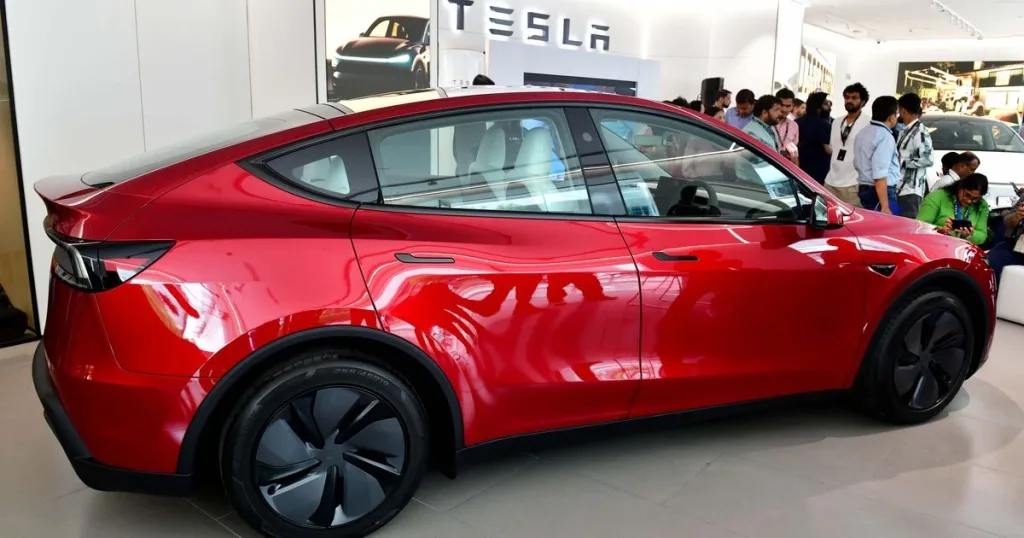
Tesla has received orders for just over 600 cars since launching sales in India in mid-July, a number that has fallen short of the company’s own expectations, according to Bloomberg reports citing industry insiders. For context, this represents roughly the same number of vehicles Tesla delivers every few hours in its established markets.
The reality check doesn’t stop there. Tesla now plans to ship between 350 to 500 cars to India this year, scaling back from what were likely more ambitious initial projections.
What This Means for Tesla’s Global Strategy
This lukewarm reception in India raises important questions about Tesla’s international expansion strategy. The company has been eyeing emerging markets as key growth drivers, but the Indian launch suggests that brand recognition alone isn’t enough to guarantee success.
Several factors may be contributing to the modest order numbers:
Pricing Challenges: Tesla vehicles in India carry premium price tags due to import duties, making them accessible primarily to ultra-high-net-worth individuals.
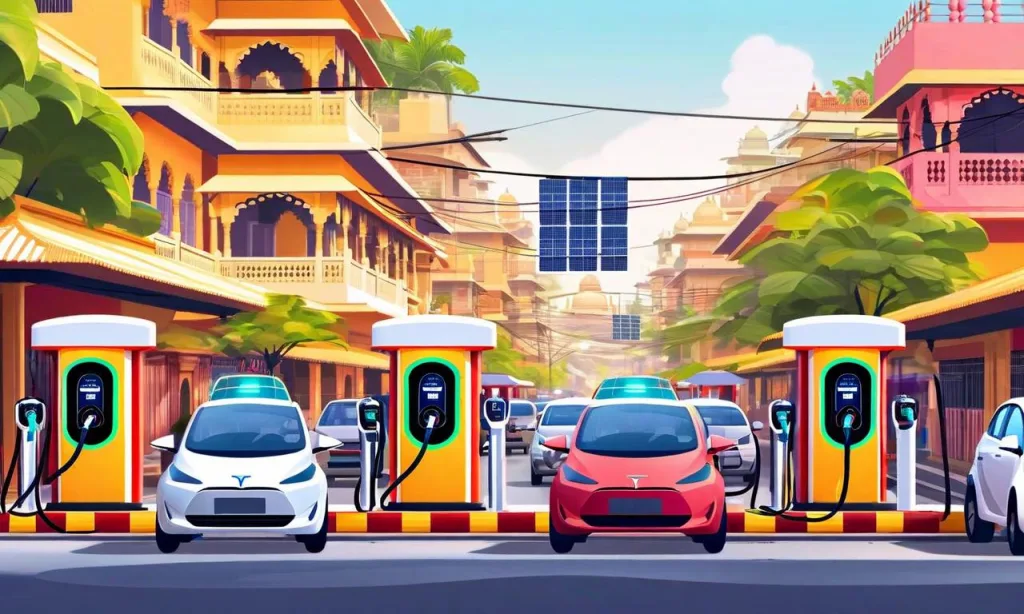
Infrastructure Concerns: India’s charging infrastructure remains in its infancy, creating range anxiety among potential buyers.
Local Competition: Homegrown manufacturers like Tata Motors and international players have already established footholds in the Indian EV market with more affordable options.
The Broader Indian EV Market Context
Despite Tesla’s slow start, India’s electric vehicle market continues to show promise. The government’s push for EV adoption through subsidies and policy support creates a favorable long-term environment. However, success requires understanding local consumer preferences and price sensitivity.
Tesla’s approach of importing completely built units (CBUs) rather than local manufacturing may be limiting its competitiveness. Other global automakers have found success in India by localizing production and adapting products to local needs.
What’s Next for Tesla in India?
The 600-order figure, while below expectations, isn’t necessarily a failure. It represents Tesla’s first serious attempt to crack the Indian market, and early adopters often pave the way for broader acceptance.
Tesla EVs will be imported into India via the CBU route. The first batch is expected to comprise between 350 and 500 cars, suggesting the company is taking a measured approach to inventory management.
The Road Ahead
Tesla’s Indian journey is just beginning. The company’s long-term success will depend on its ability to adapt to local market conditions, potentially through:
- Local manufacturing partnerships
- More affordable model variants
- Expanded charging infrastructure investments
- Strategic pricing adjustments
While 600 orders might seem modest for a company of Tesla’s stature, it’s worth remembering that every automotive giant started somewhere. The question now is whether Tesla can learn from this initial response and adjust its strategy accordingly.
The Indian EV market remains one of the world’s most promising, with massive potential for growth. Tesla’s challenge is unlocking that potential while staying true to its premium brand positioning.

