


India’s steel-to-paints conglomerate JSW Group is making strategic moves that could reshape the country’s electric vehicle landscape. The $23 billion industrial giant is actively negotiating with multiple Chinese companies, including automotive heavyweights Geely and BYD, in an ambitious quest to master EV battery technology and manufacturing.
Table of Contents
The Strategic Chess Game Unfolds
JSW’s current partnership with China’s SAIC through MG Motor India has already proven successful, but the company isn’t stopping there. The JSW Group is in talks with several potential partners, including prominent Chinese companies such as Geely and BYD, with plans to launch electric cars and e-trucks under its own brand.
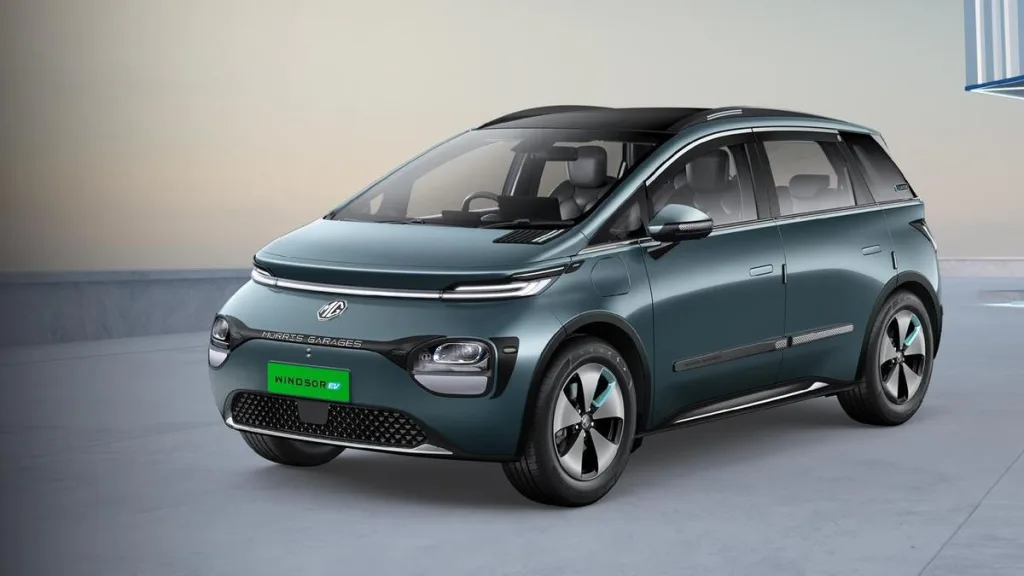
This isn’t just about assembling cars – it’s about building an integrated mobility ecosystem from the ground up. JSW’s vision extends far beyond their existing MG Motor partnership, aiming to create a comprehensive electric vehicle manufacturing capability under their new JSW Green Mobility division.
Why Chinese Technology Matters
The numbers tell a compelling story about China’s dominance in the EV sector. China’s firms produce nearly two-thirds of the world’s EVs and more than three-quarters of EV batteries, and they have produced notable innovations in EV products, processes, and customer experiences.
For It, partnering with Chinese firms isn’t just practical – it’s essential for rapid scaling. The technology transfer agreements being discussed would give JSW access to proven battery chemistry, manufacturing processes, and supply chain efficiencies that would take years to develop independently.
The Multi-Front Approach
JSW’s strategy involves multiple parallel negotiations, creating a diversified approach to technology acquisition:
Battery Manufacturing: JSW Group is set to partner with a leading Chinese lithium-ion cell producer to establish a 60,000-tonne production facility, originally planned for Odisha but now likely moving to Maharashtra.
Vehicle Technology: Beyond batteries, JSW is seeking comprehensive EV technology licensing deals that would cover entire vehicle platforms, not just individual components.
Supply Chain Integration: The company aims to leverage its existing steel manufacturing capabilities while adding battery and vehicle assembly to create a vertically integrated operation.
The Maharashtra Advantage
JSW group moves Rs 40,000 crore EV initiative to Maharashtra from Odisha, signaling the massive scale of their ambitions. This investment represents one of India’s largest private sector commitments to electric vehicle manufacturing.
The Maharashtra location offers several strategic advantages:
- Proximity to existing automotive manufacturing hubs
- Better logistics connectivity for exports
- Access to skilled technical workforce
- State government incentives for EV manufacturing
Beyond Current Partnerships
While JSW already has a 50% stake in MG Motor India, the company is supposedly unhappy with the 50% stake in MG-SAIC and is seeking greater control over its EV destiny. The new partnerships being negotiated would give JSW complete ownership of its electric vehicle brands and technology platforms.
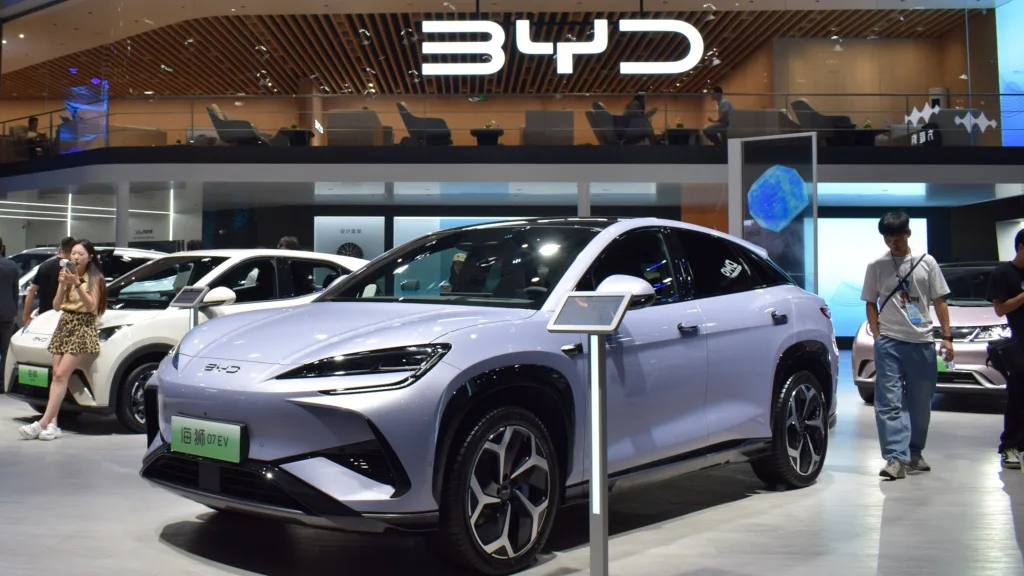
JSW Group is in talks with multiple entities, including Chinese electric vehicle makers Geely and BYD, to roll out electric cars and e-trucks under its own brand in India, according to industry sources familiar with the discussions.
The Bigger Picture
JSW’s aggressive expansion comes at a critical time for India’s EV market. Consumer funding has declined 37% from $934 million in 2022 to $586 million in 2024, and EV sales are starting to slump, making strategic partnerships even more crucial for sustainable growth.
However, JSW’s integrated approach – combining steel production, battery manufacturing, and vehicle assembly – could provide cost advantages that pure-play EV manufacturers lack.
Timeline and Expectations
JSW Group’s 50 GWh battery manufacturing capacity is expected to come up by 2028-30, indicating the company is planning for significant scale from the outset. This capacity would be sufficient to power hundreds of thousands of electric vehicles annually.
The company’s discussions with multiple Chinese partners suggest they’re not putting all their eggs in one basket. By negotiating with both Geely and BYD simultaneously, JSW maintains leverage and options while ensuring access to the best available technology.
What This Means for India’s EV Future
JSW’s ambitious plans could significantly accelerate India’s transition to electric mobility. By bringing together proven Chinese technology, Indian manufacturing capabilities, and integrated supply chain advantages, the company is positioning itself as a potential game-changer in the domestic EV market.
The success of these negotiations could determine whether India develops its own competitive EV ecosystem or remains dependent on technology imports. For JSW, it represents a bold bet on the future of mobility – one that could transform the industrial giant into India’s next automotive powerhouse.

