

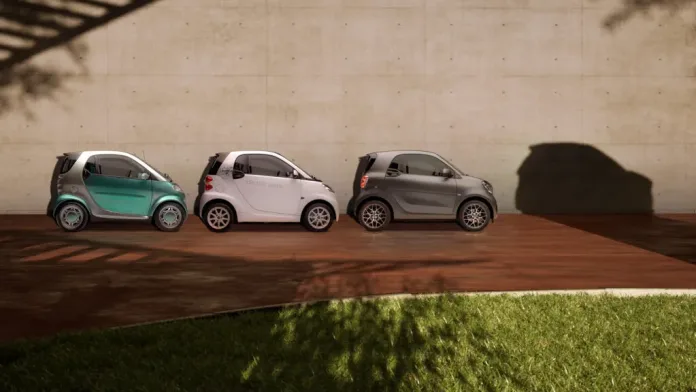

The iconic two-seater city car is making a dramatic comeback. Smart, the premium electric automotive brand, has officially announced the development of the all-new Smart #2– a revolutionary two-seater that promises to reinvent urban mobility when it debuts in late 2026.
Table of Contents
The Resurrection of an Urban Icon
Twenty-seven years after the original Smart Fortwo established the A-segment, the brand is returning to its roots with a modern electric twist. The Smart #2 will incorporate EV technology while maintaining core qualities from the original Smart Fortwo, styled by the Mercedes-Benz Design team.
This isn’t just another electric vehicle – it’s the rebirth of a mobility philosophy that made parking a breeze and city navigation effortless for millions of urban dwellers worldwide.
Project: Two Becomes Reality
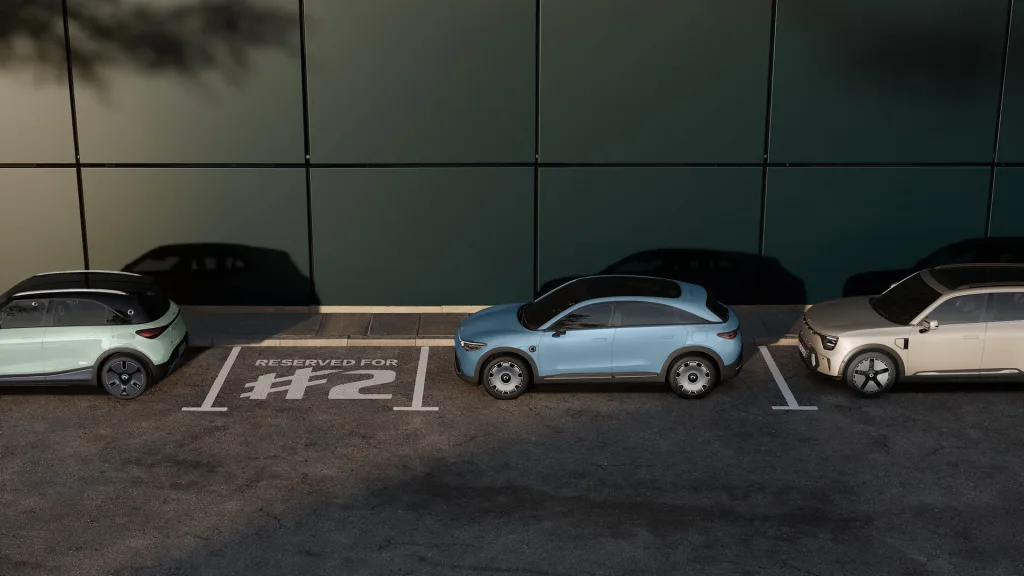
The announcement follows completion of a feasibility study for the car, codenamed “project: two”, marking a milestone moment that fans of compact urban mobility have been eagerly awaiting. The decision to green-light production represents Smart’s confidence in the continued relevance of ultra-compact city cars in an increasingly urbanized world.
CEO Dirk Adelmann’s excitement is palpable: “The confirmation of our ‘project: two’ and the upcoming launch of the Smart #2 marks a milestone moment for the Smart brand on a global scale”.
Targeting Europe’s Classic Smart Cities
Europe has been identified as a key market, with the Smart #2 expected to shape “a new era of individual urban automobility, especially in classic smart cities like Rome, London or Paris”. These historic European cities, with their narrow streets and limited parking, represent the perfect testing ground for the next generation of ultra-compact EVs.
The timing couldn’t be better. As European cities implement increasingly strict emissions zones and parking restrictions, a zero-emission two-seater offers the ultimate urban solution.
Design Philosophy Meets Modern Technology
The vehicle will feature new technology for the A-segment that was established by the original Smart Fortwo 27 years ago, suggesting innovations specifically tailored for the unique challenges of ultra-compact electric vehicles.
The Mercedes-Benz Design team’s involvement ensures the Smart #2 will blend the playful, distinctive character that made the original Fortwo beloved with cutting-edge electric vehicle technology and contemporary safety standards.
Strategic Manufacturing and Market Position
The Smart #2 will be manufactured in China and is currently in final design and development phases, leveraging the cost advantages and EV manufacturing expertise available in the world’s largest electric vehicle market.
This manufacturing strategy allows Smart to offer competitive pricing while maintaining the quality standards expected from a Mercedes-Benz-affiliated brand.
Expanding the Electric Portfolio
The Smart #2 will complement the existing product portfolio following worldwide introductions of the Smart #1, #3, and #5 models. This expanded range creates a comprehensive electric lineup covering everything from ultra-compact city cars to premium SUVs.
The numbered naming convention (#1, #2, #3, #5) creates a clear hierarchy while maintaining the brand’s distinctive identity in an increasingly crowded Electric Vehicle marketplace.
Perfect Timing for Urban Mobility Revolution
Adelmann noted the timing benefits from the strengths of main shareholders Mercedes-Benz and Geely, along with backing from new investors and the successful market launch of the Smart #5. This financial backing ensures the Smart #2 won’t suffer from the resource constraints that have plagued many small car projects.
The success of the Smart #5 proves there’s still strong demand for the brand, providing confidence for investors and dealers ahead of the #2’s launch.
What Makes the Smart #2 Special
The company describes the development as opening a new chapter in its history and reinventing an icon of urban mobility. This isn’t simply electrifying an old design – it’s reimagining what ultra-compact mobility can be in the 2020s.
The two-seater format offers unique advantages in the electric era: lower weight means extended range, reduced material costs enable competitive pricing, and the compact footprint maximizes the urban advantages that made the original Fortwo successful.
Late 2026: Mark Your Calendar
The EV is planned for international debut in late 2026, with Europe identified as a key market. This timeline gives Smart adequate development time while positioning the #2 to capitalize on the expected surge in urban EV adoption as European emissions regulations become even stricter.
For city dwellers tired of oversized EVs that defeat the purpose of urban efficiency, the Smart #2 represents hope that not every electric vehicle needs to be a massive SUV. Sometimes, the perfect city car is exactly what it sounds like – perfectly sized for the city.

