

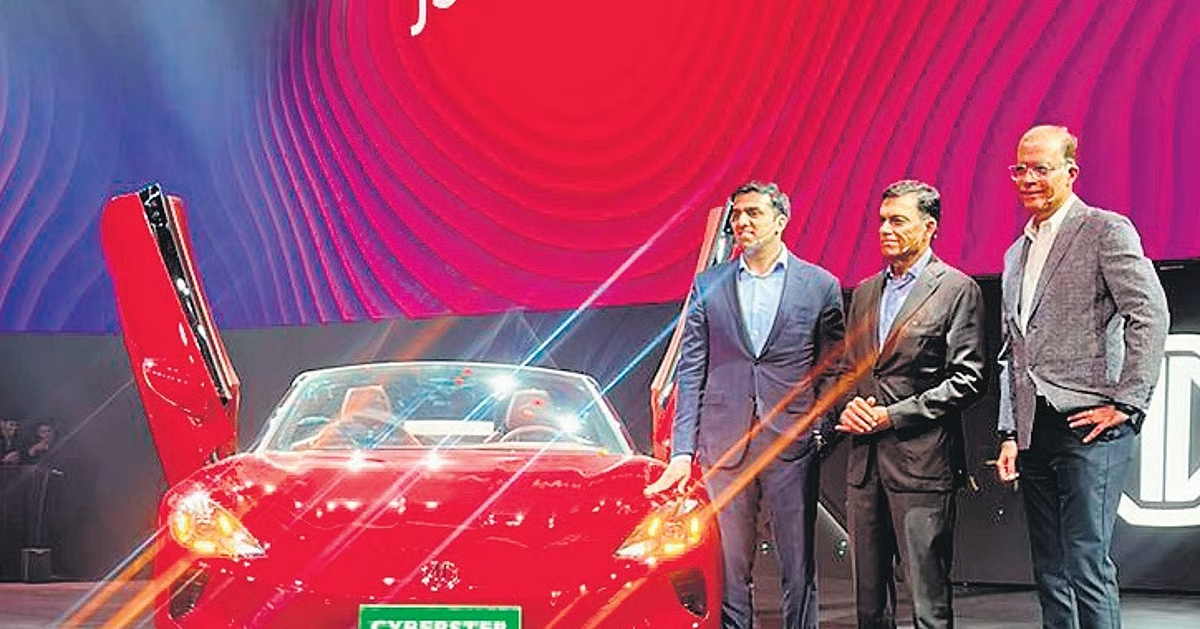

The electric vehicle revolution in India has a new frontrunner making bold promises. JSW MG Motor, armed with a commanding 35% market share in India’s EV passenger vehicle segment, is on a mission to dethrone market leader Tata Motors and claim the crown as India’s top electric vehicle manufacturer.
Table of Contents
From British Legacy to Indian Innovation
What started as a British automotive brand has transformed into one of India’s most aggressive EV players. Following the joint venture with JSW Group in March 2024, MG Motor India has completely reimagined its strategy, focusing almost exclusively on electric vehicles that now comprise 80% of its portfolio.
“We intend to become India’s number one EV player,” declares Udit Malhotra, head of marketing at JSW MG Motor India, setting the stage for what could be the most ambitious automotive transformation story in recent Indian history.
Breaking Down Barriers: The “EV Sahi Hai” Movement
JSW MG isn’t just selling cars; they’re building an entire movement. Their latest “EV Sahi Hai” campaign draws inspiration from the successful “Mutual Funds Sahi Hai” initiative, aiming to create category-wide awareness rather than pushing individual products.
The campaign tackles two major roadblocks preventing Indians from embracing electric vehicles:
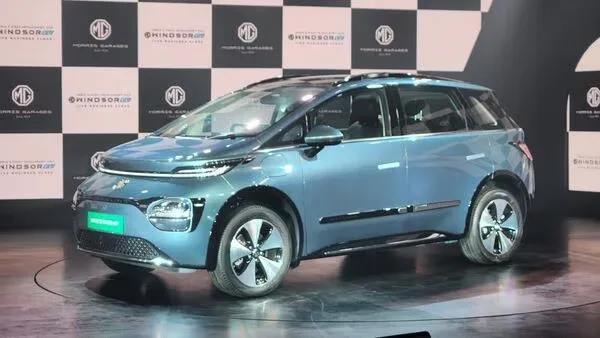
Cost Concerns: Traditional EVs often carry premium price tags that scare away middle-class buyers. MG’s solution? Battery as a Service (BaaS) – making them India’s first OEM to offer this model. Now, customers can buy a Windsor for just ₹9.99 lakhs and pay only ₹3.9 per kilometer traveled.
Range Anxiety: The fear of being stranded with a dead battery haunts potential EV buyers. MG addresses this by highlighting India’s explosive charging infrastructure growth – from just 6,000 stations in 2023 to over 29,000 by August 2025.
Real Stories, Real Impact
What sets MG’s approach apart is authenticity. Instead of polished advertisements, they’re featuring real customers sharing genuine experiences. Ten existing MG owners across India tell their stories – from route planning successes to actual money saved on fuel costs.
“We recruited existing EV owners across the country, got them to tell what they have experienced with EVs until now,” Malhotra explains, emphasizing how real testimonials build more credibility than manufactured marketing messages.
Smart Technology Meets Consumer Needs
Beyond marketing, JSW MG is backing their promises with innovative solutions. Their proprietary “E-Hub by MG” app has crossed one lakh downloads within just one year, offering comprehensive EV support to any electric vehicle user – not just MG owners.
The app provides:
- Real-time charger availability
- Route planning assistance
- Pre-booking functionality
- Location services for charging stations
To further ease consumer concerns, MG offers lifetime warranties for first owners and a “360 Assured Buyback Plan” guaranteeing 60% vehicle value after three years.
The Competition Heats Up
Currently, Tata Motors dominates with approximately 53% market share, making JSW MG’s 35% position impressive but still in second place. However, MG’s focused approach and innovative business models suggest this gap might not last long.
The brand’s comprehensive ecosystem development strategy extends beyond selling vehicles to building the entire EV infrastructure through initiatives like MG Charge, which aims to install 1,000 AC fast chargers across residential communities.
Digital-First Strategy for Modern India
Recognizing that EV buyers are typically educated and tech-savvy, MG employs a digital-first approach while maintaining traditional media presence. Their hyper-local performance marketing targets specific geographies and pin codes, ensuring maximum relevance for potential customers.
The company has also launched evcsahi.com, a comprehensive knowledge base addressing 80-90% of common EV ownership questions, from battery functionality to trip planning tools.
What This Means for Indian EV Adoption
JSW MG Motor‘s aggressive expansion isn’t just about corporate ambition – it’s about accelerating India’s transition to sustainable mobility. By focusing on category creation rather than just market share battles, they’re helping educate consumers and build confidence in electric vehicles.
The company expects short-term benefits within the first year and significant mid-term impact over three to five years, contingent on sustained consumer education and category expansion efforts.
With government policy support, technological innovations, and brands like JSW MG pushing boundaries, India’s electric vehicle market is set for explosive growth. The question isn’t whether EVs will dominate Indian roads, but which brand will lead this transformation.
JSW MG Motor has clearly thrown down the gauntlet, combining British automotive heritage with Indian market understanding to create a compelling proposition for the future of mobility in India.

