

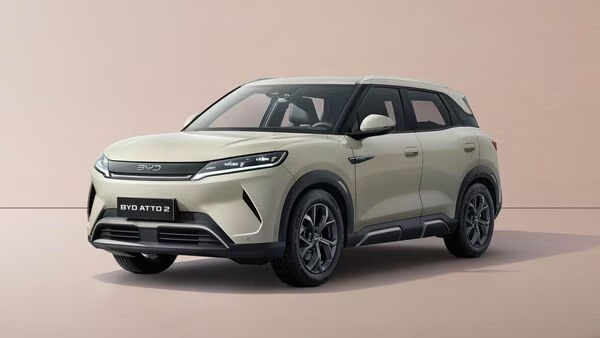

China’s electric vehicle champion BYD just delivered a shock that sent ripples through the automotive industry. The company’s net income plunged 30% to $892 million in Q2 2025 – marking the first quarterly profit drop in over three years.
What’s behind this dramatic fall? One word: price wars.
Table of Contents
The Price War That Changed Everything
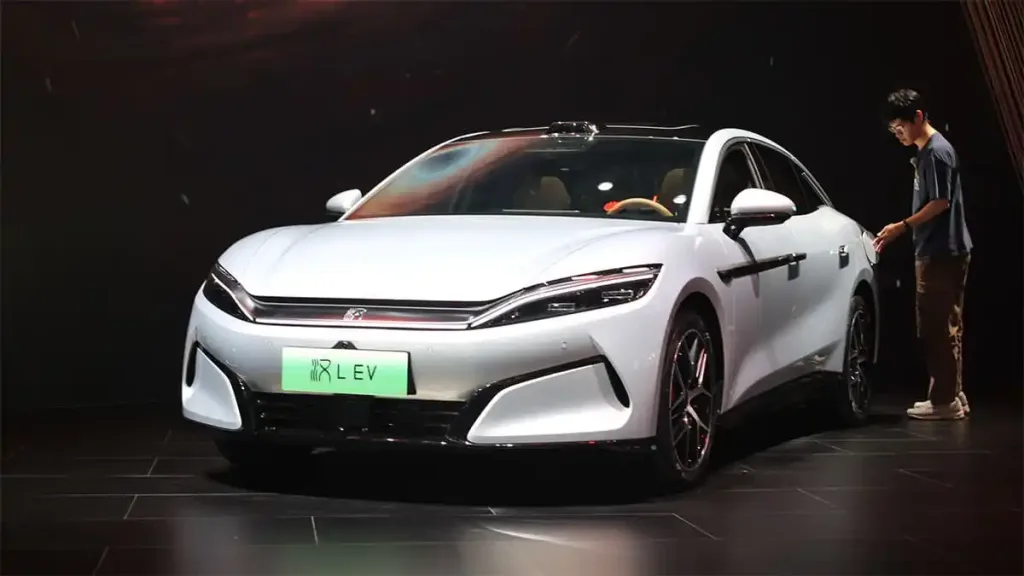
BYD triggered an industry-wide price war in May by slashing prices on several models by around 30%. The move was bold but costly. Some discounts reached as steep as 34%, with the Seagull mini hatchback now priced at just $7,700 – down from $10,000.
BYD’s Q2 2025 Financial Impact
| Metric | Q2 2025 | Year-over-Year Change | Impact |
|---|---|---|---|
| Net Income | $892M | -30% | First decline since 2022 |
| Revenue | $28.2B | +14% | Growth but below expectations |
| Gross Margin | 16.3% | Declined | Lowest quarterly margin |
Why BYD Started the Price War
BYD set ambitious targets to sell 5.5 million vehicles in 2025 – a 30% increase. However, retail sales in the first four months grew only 15% year-on-year, forcing the company into aggressive pricing strategies.
The strategy worked… sort of. Analysts report it’s price cuts caused a 30-40% spike in dealership footfall during the initial weekend.
Industry-Wide Consequences
BYD’s price cuts didn’t happen in isolation. Other automakers quickly followed suit, intensifying the competition. Even Great Wall Motor’s executives called the industry “unhealthy”.
China’s top leaders have issued warnings to halt the excessive competition, recognizing the unsustainable nature of this pricing strategy.
What This Means for EV Buyers
Good news: Electric vehicles in China are now more affordable than ever.
The reality: Some fears are growing of an EV financial crisis amid the pricing war, which could impact long-term industry stability.
The Bottom Line
BYD’s 30% profit drop serves as a cautionary tale about aggressive pricing strategies. While the company maintains its market leadership, executives now admit the price war is unsustainable.
For investors and consumers alike, this signals a pivotal moment in China’s EV market – where growth ambitions collide with financial reality.

