

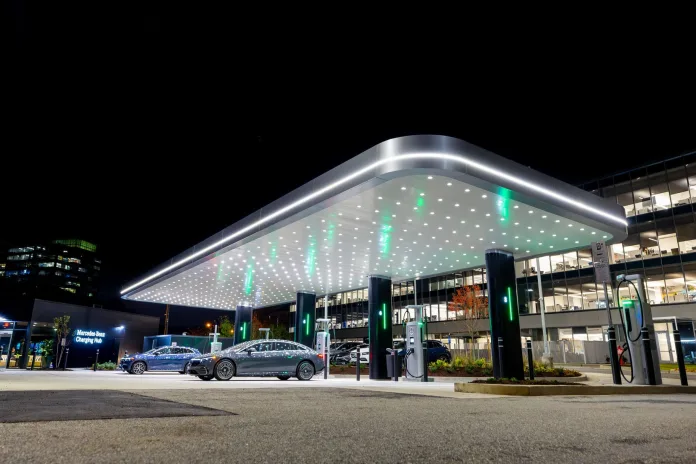

Planning to install an EV charger? Whether it’s for your home or business, understanding the EV charging installation process can save you time, money, and headaches. With India’s electric vehicle adoption accelerating, here’s everything you need to know about setting up charging infrastructure.
Table of Contents
EV Charging Installation Costs at a Glance
| Installation Type | Cost Range | Installation Time | Power Requirement |
|---|---|---|---|
| Home AC Charger (3.3-7kW) | ₹25,000 – ₹1,00,000 | 2-3 days | 32A single-phase |
| Home DC Fast Charger | ₹15,00,000 – ₹80,00,000 | 5-7 days | 25-40kW three-phase |
| Public Charging Station | ₹24,00,000 – ₹50,00,000 | 2-4 weeks | 50-150kW |
Source: EV Charging Installation Cost Data
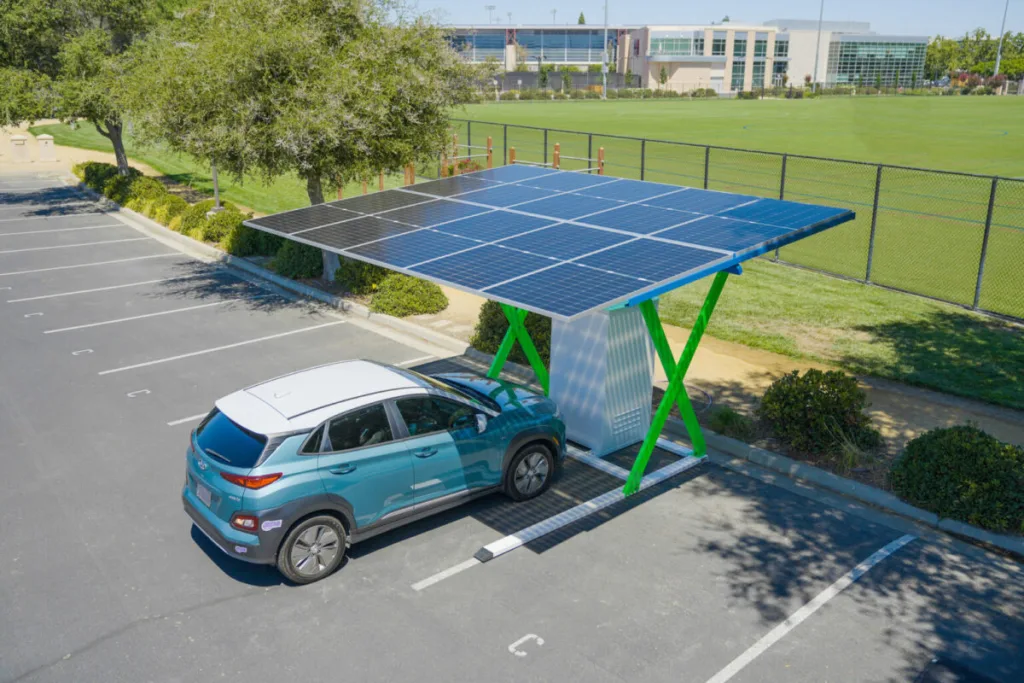
1. Home EV Charging Installation: The Smart Choice
For most EV owners, home charging installation offers convenience and cost-effectiveness. A 7kW AC charger can fully charge most electric cars overnight, making it perfect for daily commuters.
Key Requirements:
- Dedicated parking space
- Adequate electrical load availability
- Safety compliance with IS 17017-1:2019 standards
2. Permits and Regulations Made Simple
Good news for homeowners: no license is required to set up an EV charging station, significantly reducing bureaucratic hurdles. However, you’ll need:
- Electrical connection permission from local DISCOM
- Load enhancement application for higher capacity chargers
- Safety inspection post-installation
The permissions required include land-use permission, building permission, and electrical connection permission for commercial installations.
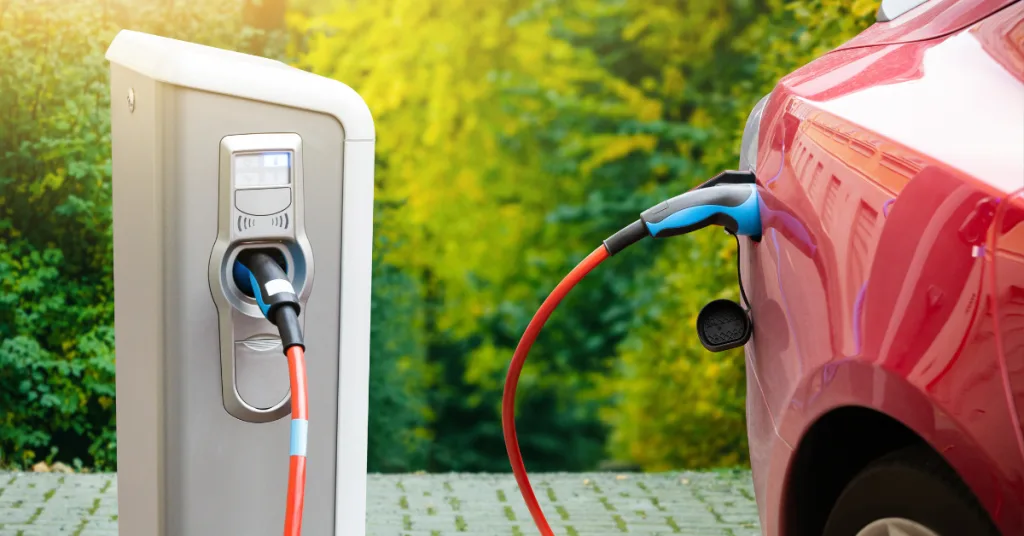
3. Installation Process: Step-by-Step
Phase 1: Site Assessment (Day 1)
- Electrical load calculation
- Parking space evaluation
- Distance to main panel assessment
Phase 2: Permits and Approvals (1-2 weeks)
- DISCOM application for load enhancement
- Local authority electrical permits
- Safety compliance verification
Phase 3: Installation (2-3 days)
- Electrical panel upgrades if needed
- Charging unit mounting
- Safety testing and commissioning
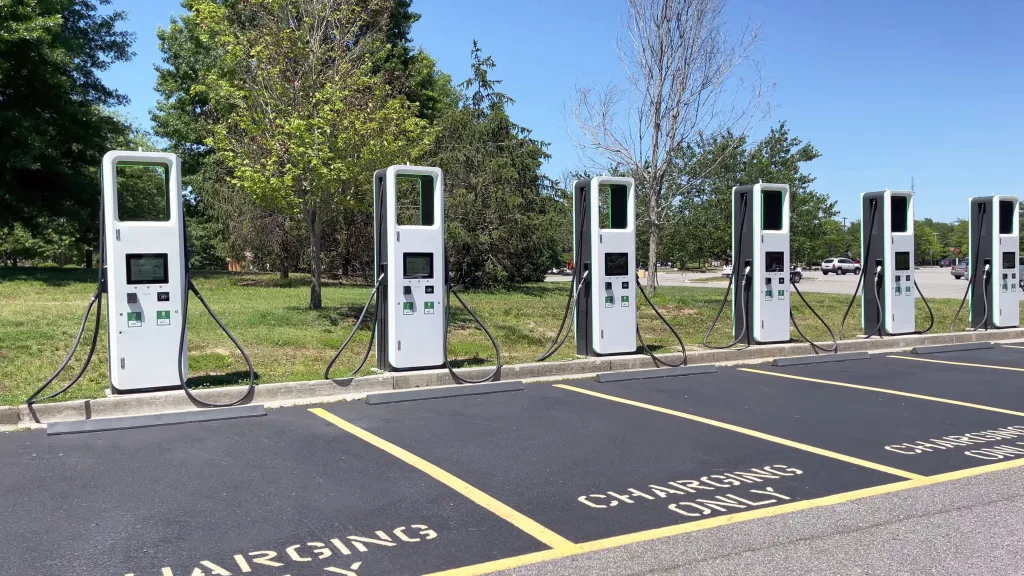
4. Cost-Benefit Analysis: Why Install Now?
Installing EV charging infrastructure today positions you ahead of the curve. The tariff on electricity supply will not exceed average supply cost till 31 March 2025, making early installation economically attractive.
Monthly Savings Potential:
- Home charging: ₹3-5 per kWh vs ₹12-15 per kWh at public stations
- Annual savings: ₹15,000-25,000 for average usage
5. Business Opportunities: Commercial Installation
For entrepreneurs, the total cost of setting up a charging station ranges from ₹24 lakhs to over ₹50 lakhs for a 4-5 charger setup. With increasing EV adoption, this investment offers promising returns through:
- Customer attraction for retail businesses
- Employee benefits for corporate offices
- Revenue generation through charging fees

Expert Tips for Successful Installation
Do’s:
- Choose certified installers with manufacturer training
- Plan for future expansion with higher capacity electrical panels
- Consider smart charging features for optimal energy management
Don’ts:
- Skip safety inspections to save time
- Underestimate electrical load requirements
- Choose the cheapest option without considering quality
Making the Right Choice for 2025
EV charging installation isn’t just about current needs—it’s an investment in India’s electric future. With government support, improving technology, and declining costs, now is the optimal time to install charging infrastructure.
Ready to electrify your space? Explore our comprehensive EV infrastructure guide and stay updated with the latest charging technology trends to make informed decisions.
For detailed technical specifications and installation guidelines, visit the official NITI Aayog EV handbook and consult certified installers in your area.
Need more EV insights? Check our electric vehicle buying guides for expert recommendations on chargers and vehicles.

