

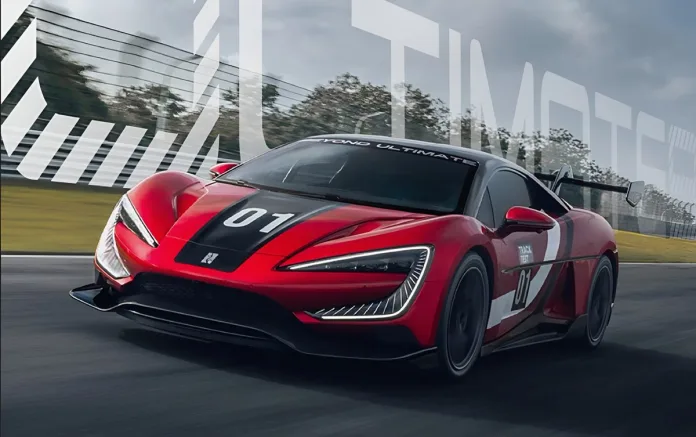

The electric vehicle world witnessed history in the making as BYD’s Yangwang U9 Track Edition achieved a staggering 472.41 km/h (293.54 mph), officially becoming the world’s fastest electric vehicle. This monumental achievement at ATP Automotive Testing Papenburg in Germany redefines what’s possible in electric supercar performance.
Table of Contents
Breaking Down the Beast: Technical Specifications
The Yangwang U9 Track Edition isn’t just fast—it’s a technological marvel that pushes the boundaries of electric propulsion. While the standard U9 produces 1,287 horsepower from four electric motors, the Track Edition unleashes nearly 3,000 horsepower, making it one of the most powerful production vehicles ever created.
| Specification | Yangwang U9 Track Edition | Standard U9 |
|---|---|---|
| Top Speed | 472.41 km/h (293.54 mph) | 391.94 km/h |
| Power Output | ~3,000 HP | 1,287 HP |
| Motor Configuration | Quad electric motors | Quad electric motors |
| Power per Motor | 744 HP | 322 HP |
Record-Breaking Performance Context
This achievement surpasses the U9’s previous record of 391.94 km/h set last October, representing a massive 80+ km/h improvement. The record positions the Chinese-made supercar ahead of established electric hypercars like the Rimac Nevera, which previously held top EV speed benchmarks.
However, the global EV speed record status faces some industry disputes, as various organizations maintain different classification criteria for production versus prototype vehicles.
Technology Behind the Speed
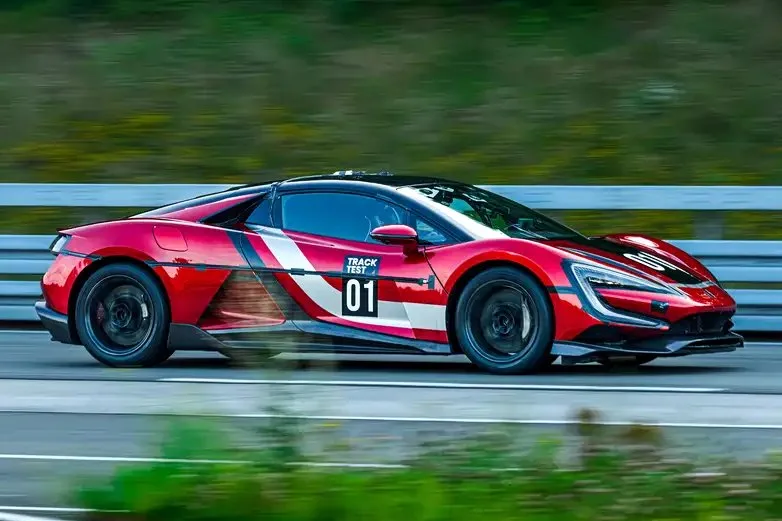
The U9 Track Edition leverages BYD’s advanced e4 Platform combined with their proprietary DiSus-X suspension technology, enabling unprecedented stability at extreme speeds. This isn’t merely about raw power—it’s sophisticated engineering that manages aerodynamics, thermal management, and vehicle dynamics at velocities that challenge physics itself.
Key Technologies:
- Quad-motor architecture with individual wheel control
- Advanced battery thermal management
- Active aerodynamics package
- DiSus-X intelligent suspension system
Market Impact and Future Implications
This achievement sends shockwaves through the automotive industry, proving that Chinese manufacturers can compete—and exceed—traditional European supercar benchmarks. For context, discover how this fits into the broader evolution of electric vehicle performance and upcoming EV supercars.
The U9’s success also highlights the rapid advancement of electric powertrains, where instant torque delivery and sophisticated battery management enable performance levels previously impossible with internal combustion engines.
Track Performance Beyond Speed
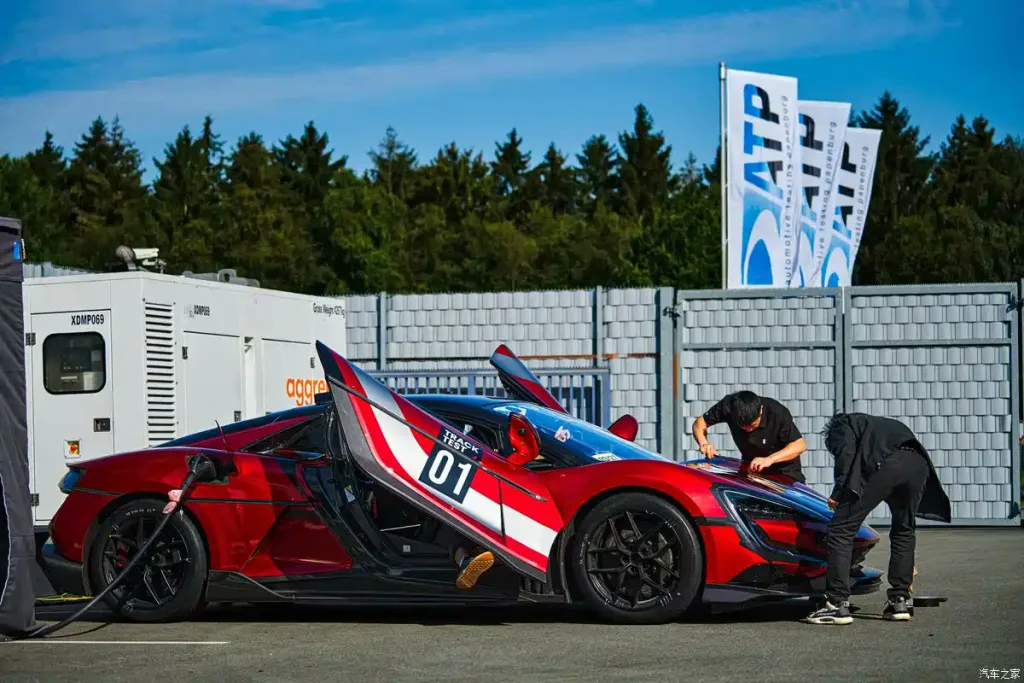
Beyond top speed, the U9 achieved a Nürburgring lap time of 7:17.900 minutes, though still trailing behind the Xiaomi SU7 Ultra’s impressive 7:04.957 seconds. This demonstrates that ultimate speed doesn’t automatically translate to track supremacy, where handling, braking, and overall vehicle dynamics matter equally.
The achievement represents more than numbers—it symbolizes the rapid maturation of electric vehicle technology and China’s growing dominance in high-performance EV development. As electric supercars continue pushing boundaries, we’re witnessing the dawn of a new era where electricity powers not just efficiency, but extreme performance.
Stay informed about breakthrough EV developments and performance records on IndiaEVNews.com, your source for comprehensive coverage of the electric vehicle revolution. Check our latest analysis on Chinese EV innovations and global EV market trends.
Sources:

