


EV Range Comparison India 2025: Choosing the right electric vehicle often comes down to one crucial factor: driving range. With Indian highways expanding and long-distance travel becoming common, understanding real-world EV range is essential. Here’s your comprehensive guide to EV range comparison across all major electric vehicles available in India.
Table of Contents
Top Long EV Range Cars in India
Premium Electric SUVs (400km+ Range)
| Electric Vehicle | ARAI Claimed Range | Real-World Range | Battery Capacity | Starting Price |
|---|---|---|---|---|
| BYD Atto 3 | Up to 521km | 400-450km | 60.48 kWh | ₹24.99 lakh |
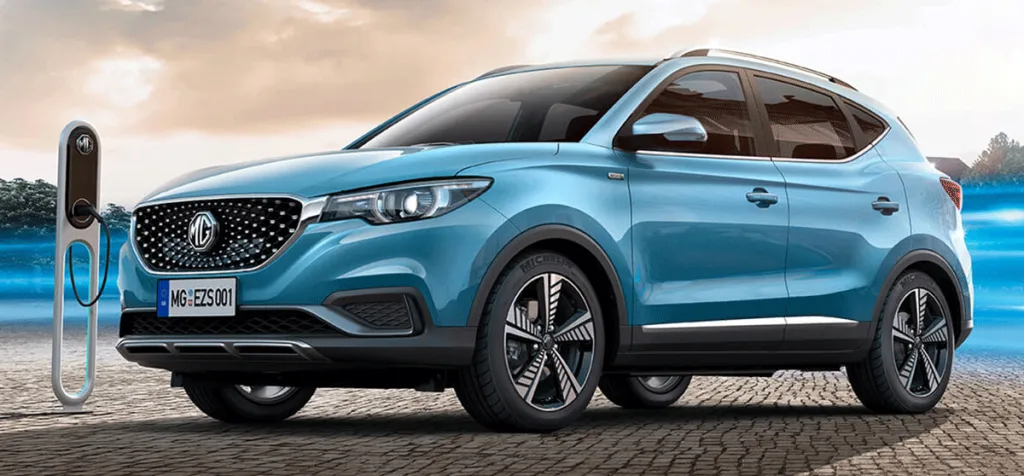
| MG ZS EV | 461km | 350-400km | 50.3 kWh | ₹21.99 lakh |
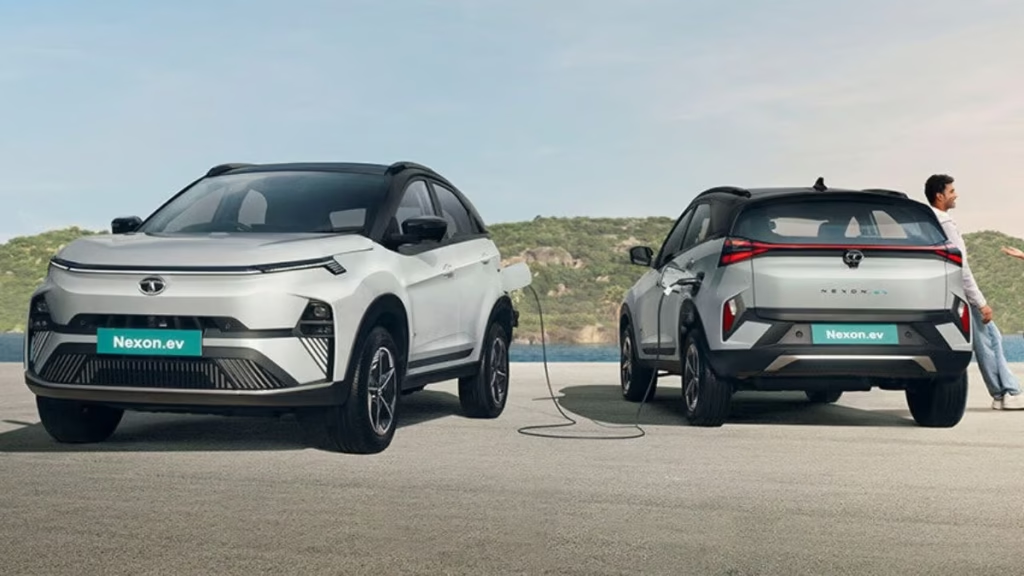
| Tata Nexon EV | 453km | 284km tested | 45 kWh | ₹14.74 lakh |
| Hyundai Kona Electric | 452km | 350-380km | 39.2 kWh | ₹23.84 lakh |
| Mahindra XUV400 | 456km | 289.5km tested | 39.4 kWh | ₹15.49 lakh |
Compact Electric Cars & Sedans
| Model | ARAI Range | Real-World Range | Battery | Category |
|---|---|---|---|---|
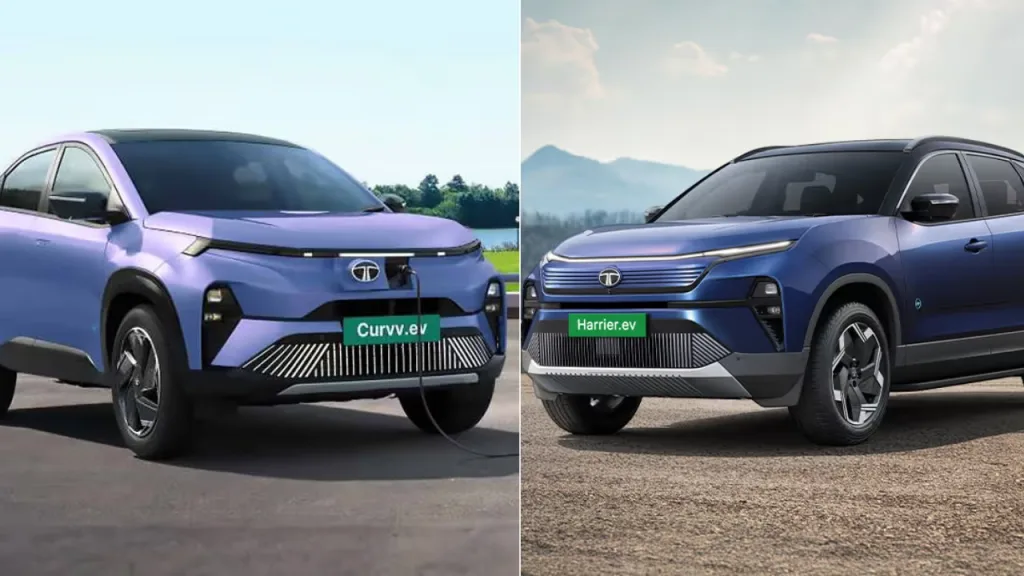
| Tata Curvv EV | Up to 585km | 450-500km | 55 kWh | Electric Coupe SUV |
| MG Windsor EV | 331km | 280-320km | 38 kWh | Electric Sedan |
| Tata Tigor EV | 315km | 250-280km | 26 kWh | Compact Sedan |
| Tata Punch EV | 421km | 320-350km | 35 kWh | Micro SUV |
Real-World vs ARAI Range: The Reality Gap
Why Real-World Range Differs
Testing Conditions
- ARAI tests under controlled laboratory conditions
- Real-world includes traffic, AC usage, driving style variations
- Weather conditions significantly impact battery performance
Typical Range Efficiency
- Highway Driving: 85-90% of ARAI range
- City Traffic: 65-75% of ARAI range
- AC Usage: 15-20% range reduction
- Winter Conditions: 10-15% additional reduction
Head-to-Head Range Comparison
Tata Nexon EV vs Mahindra XUV400
Recent real-world testing showed XUV400 achieving 289.5km while Nexon EV managed 284.2km under similar conditions. Despite Nexon EV’s larger 45kWh battery vs XUV400’s 39.4kWh, the XUV400 demonstrated slightly better efficiency.
BYD Atto 3 vs MG ZS EV
BYD Atto 3 offers up to 521km ARAI range with its 60.48kWh battery, while MG ZS EV provides 461km from its 50.3kWh pack. The Atto 3 leads in maximum range capability.
Performance vs Range Trade-off
XUV400 is the quickest among rivals (Nexon EV, MG ZS EV, Kona Electric) in 0-100kph acceleration, showing how performance tuning affects range optimization.
Charging Speed Impact on Range Usability
Fast Charging Capabilities
DC Fast Charging Speeds
- BYD Atto 3: Up to 70kW DC charging
- Mahindra XUV400: Up to 45kW vs Nexon EV’s 30kW
- MG ZS EV: Up to 50kW DC fast charging
- Tata Curvv EV: Up to 60kW DC charging
Range Addition in 30 Minutes
- BYD Atto 3: 200-250km
- MG ZS EV: 180-200km
- Nexon EV: 150-180km
- XUV400: 180-200km

State-wise Range Considerations
Highway Range Performance
Delhi to Mumbai (1,400km)
- BYD Atto 3: 3 charging stops needed
- MG ZS EV: 4 charging stops needed
- Nexon EV/XUV400: 5 charging stops needed
Bangalore to Chennai (350km)
- All major EVs can complete with 1 charging stop
- Atto 3 and Curvv EV may complete without charging
City Range Adequacy
Daily Urban Commute (80-100km)
- All listed EVs provide 3-4 days of commuting per charge
- Adequate for metropolitan usage patterns
Range-Affecting Factors in Indian Conditions
Climate Impact
- Summer (40°C+): 15-20% range reduction due to AC usage
- Monsoon: 5-10% reduction due to wet conditions
- Winter: Minimal impact in most Indian regions
Driving Patterns
- Stop-go Traffic: Benefits from regenerative braking
- Highway Cruising: Better efficiency at 60-80kmph
- Aggressive Driving: Can reduce range by 25-30%
Best EV for Long-Distance Travel
Top Recommendations by Use Case
Weekend Highway Trips
- BYD Atto 3: Longest range + fast charging
- Tata Curvv EV: Excellent efficiency + premium features
- MG ZS EV: Balanced range + service network
Daily City Commute
- Tata Nexon EV: Best value + service support
- Mahindra XUV400: Good efficiency + features
- MG Windsor: Affordable + adequate range
Future Range Improvements
Upcoming Technologies
- Solid-state batteries promising 800km+ range
- Improved battery chemistry reducing weight
- Better thermal management systems
- Vehicle-to-grid (V2G) capabilities
Market Trends
- 500km+ range becoming standard by 2026
- Fast charging speeds reaching 150kW+
- Battery-as-a-Service reducing ownership costs
Planning your EV purchase? Check our detailed EV buying guide for comprehensive model comparisons and real-world ownership insights.
Stay updated with the latest EV range tests and comparisons at IndiaEVNews.com – your trusted source for electric vehicle insights in India.

